
 En
En
 English
  Français
  русский
  中文简体
中文简体  عربى
عربى  Español
alisen
alisen
alisen
alisen
alisen
alisen
alisen
alisen
alisen
alisen
alisen
alisen
Industry News
How does the Compound Fertilizer Production Line perform in terms of raw material adaptability?

The Compound Fertilizer Production Line is a critical solution for modern agriculture, offering high efficiency, flexibility, and scalability. Its ability to adapt to various raw materials is essential for maintaining production quality and meeting diverse agricultural needs.
Understanding Raw Material Adaptability
Raw material adaptability refers to a production line’s capability to process different types of ingredients efficiently while maintaining consistent quality. For a Compound Fertilizer Production Line, this includes nitrogenous materials, phosphates, potash, and organic additives.
- Nitrogen Sources: Urea, ammonium sulfate, and ammonium nitrate.
- Phosphate Sources: DAP (Diammonium Phosphate), MAP (Monoammonium Phosphate), rock phosphate.
- Potash Sources: Potassium chloride, potassium sulfate.
- Organic Additives: Humic acid, composted organic matter, biochar.
Key Performance Indicators for Raw Material Adaptability
The adaptability of a Compound Fertilizer Production Line can be evaluated through several performance indicators:
- Mixing Uniformity: Ensures consistent nutrient distribution across batches.
- Moisture Control: Ability to handle materials with varying water content.
- Particle Size Flexibility: Supports different raw material granulations without compromising output quality.
- Production Efficiency: Maintains high throughput regardless of raw material variability.
Comparison of Raw Material Handling
Different types of compound fertilizers and raw materials pose unique challenges. The following comparison highlights how a high-quality production line adapts to each:
| Raw Material | Challenges | Production Line Performance |
| Urea | Hygroscopic, prone to caking | Advanced drying and mixing systems prevent clumping and ensure uniform distribution |
| Ammonium Phosphate | Dusty, may cause corrosion | Corrosion-resistant equipment and dust control improve handling and reduce maintenance |
| Potassium Chloride | Hard granules, uneven size | Adjustable granulators allow consistent particle formation and reduce wear on equipment |
| Organic Additives | High moisture content, irregular density | Flexible pre-conditioning and blending modules ensure uniformity and stable output |
Advantages of High Adaptability Production Lines
- Versatility: Supports a wide range of fertilizers, enabling seasonal and regional adjustments.
- Reduced Waste: Efficiently processes variable raw materials, minimizing rejection rates.
- Lower Operating Costs: Fewer interruptions and less manual adjustment save time and labor.
- Consistent Quality: Maintains nutrient ratios and granule quality across diverse inputs.
- Scalability: Easily adapts to production expansion without major modifications.
Applications of Adaptable Compound Fertilizer Production Lines
The ability to handle diverse raw materials allows this production line to serve multiple sectors:
- Agricultural Farms: Produces NPK fertilizers tailored to crop requirements.
- Horticulture: Supports specialized fertilizers for vegetables, flowers, and fruits.
- Organic Fertilizer Production: Incorporates compost and biochar efficiently.
- Industrial Fertilizer Companies: Enables flexible product lines and seasonal formula changes.
Installation and Operational Tips for Optimal Raw Material Handling
- Pre-Screening: Remove impurities and oversized particles before processing.
- Moisture Adjustment: Use dryers or moisture conditioners for wet or sticky materials.
- Regular Equipment Maintenance: Ensure mixers, granulators, and conveyors are free of residue buildup.
- Batch Testing: Monitor nutrient composition regularly to maintain quality standards.
- Adjustable Granulation Settings: Adapt granulators to raw material size differences for uniform pellets.
Comparing Production Lines by Material Compatibility
| Production Line Type | Compatible Materials | Limitations |
| Rotary Drum Granulation Line | Urea, Ammonium Phosphate, Potash | Less suitable for high-moisture organic additives |
| Double Roller Granulation Line | Low-moisture powders, rock phosphate, potash | May require pre-drying for sticky materials |
| Organic-Integrated Line | Compost, biochar, organic-inorganic blends | Lower output for pure chemical fertilizers |
FAQs About Compound Fertilizer Production Line Adaptability
Q1: Can the production line handle multiple raw materials in one batch?
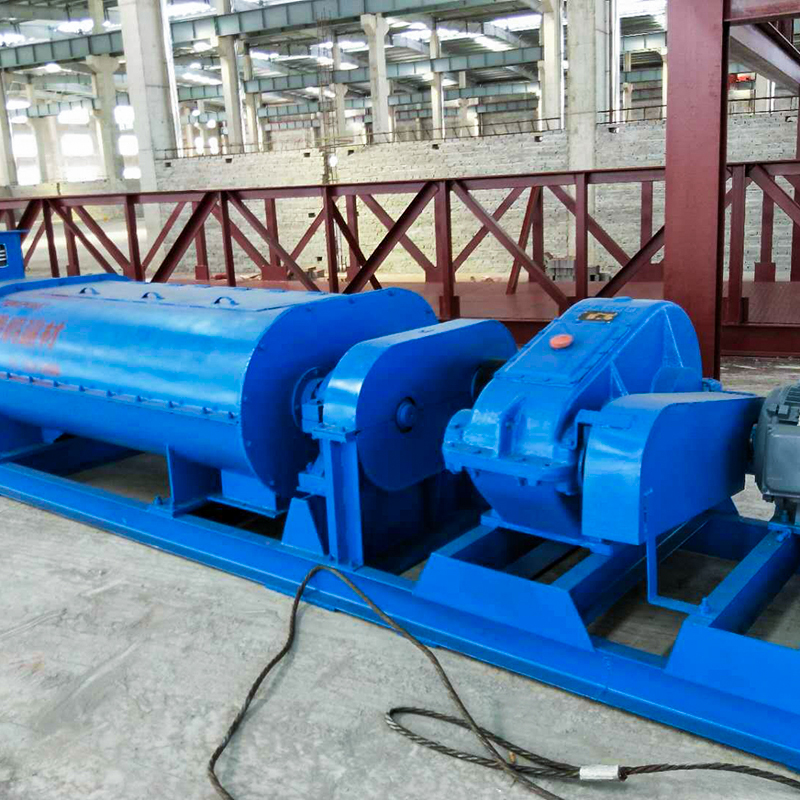
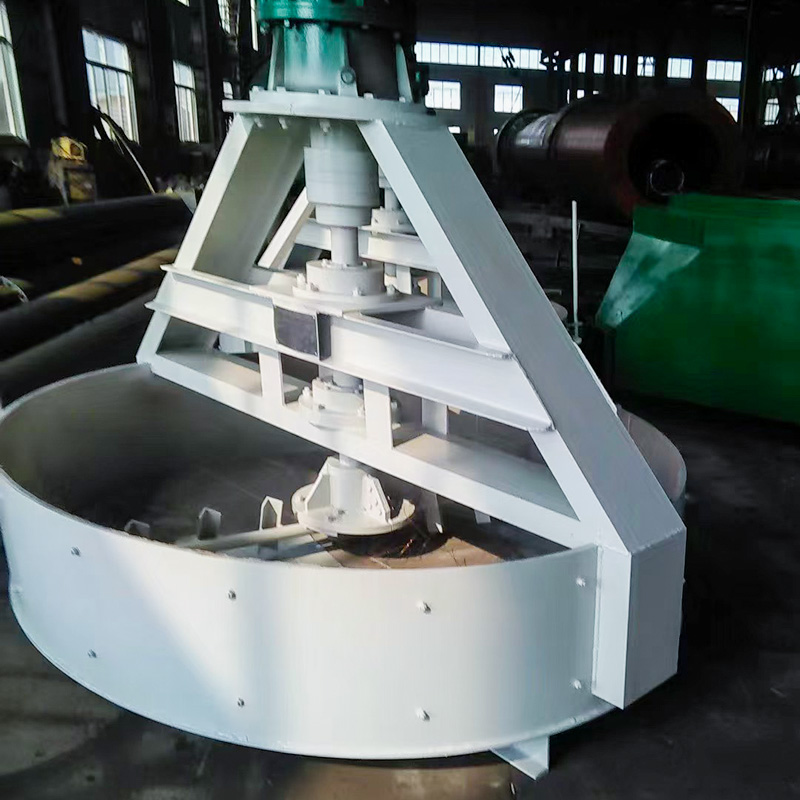
Yes, advanced Compound Fertilizer Production Lines feature multi-component mixers that ensure uniform distribution of nitrogen, phosphorus, potassium, and organic additives.
Q2: What is the maximum moisture content the line can process?
Most modern lines can handle raw materials with up to 12-15% moisture content. For higher moisture, pre-drying is recommended to prevent caking and reduce wear on equipment.
Q3: How does the line adapt to different particle sizes?
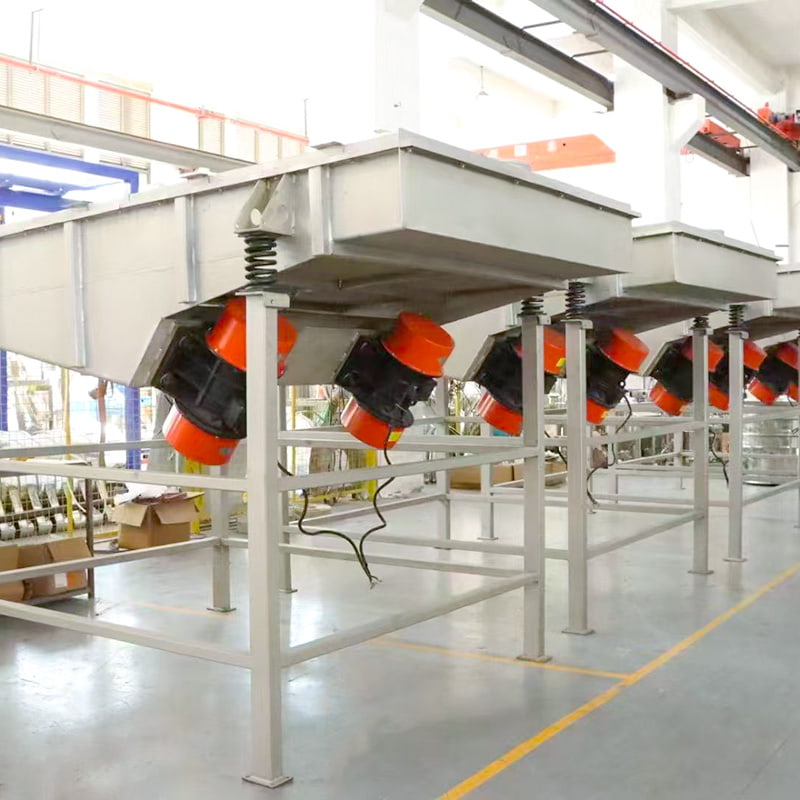
Adjustable granulators and sieving systems allow the line to accommodate fine powders as well as coarse granules without compromising the quality of the final fertilizer.
Q4: Are there limitations for organic raw materials?
Organic materials with high moisture or uneven particle size may require pre-treatment, but specialized organic-integrated lines can efficiently process these materials.
Q5: Does adaptability affect production efficiency?
High adaptability production lines are designed to maintain output and efficiency even when raw materials vary, minimizing downtime and waste.
Conclusion
The Compound Fertilizer Production Line demonstrates remarkable adaptability to various raw materials, from chemical fertilizers to organic additives. Its flexibility ensures consistent quality, high efficiency, and broad application across agricultural and industrial sectors. By understanding the raw material properties, optimizing equipment settings, and following operational best practices, manufacturers can fully leverage the advantages of adaptable production lines.
Investing in a production line with strong raw material adaptability not only improves production efficiency but also enhances product versatility, reduces waste, and ensures long-term sustainability in fertilizer manufacturing.




GET IN
TOUCH WITH US
TOUCH WITH US
-
 No.68, Shuanglou Road, Qutang Town, Haian City, Nantong, Jiangsu
 -
Tel:
 +86-13914355558/18994158908
 -
E-mail:
 sales@tp-machinery.com
COPYRIGHT © 2025 Nantong Alisen Environmental Protection Technology Co., Ltd.
ALL RIGHTS RESERVED.
China fertilizer machinery manufacturer wholesale fertilizer machinery factory
