
 En
En
 English
  Français
  русский
  中文简体
中文简体  عربى
عربى  Español
Tengpeng
Tengpeng
Tengpeng
Tengpeng
Tengpeng
Tengpeng
Tengpeng
Tengpeng
Tengpeng
Tengpeng
Tengpeng
Tengpeng
Calcination Equipment
- Compound Fertilizer Production Line
- Grinding Equipment
- Material Feeding Equipment
- Dust Collection Equipment
- Drying Equipment
- Conveying Equipment
- Elevating Equipment
- Crushing Equipment
- Screening Equipment
- Industrial Mixing and Agitation Equipment
- Granulation Equipment
- Calcination Equipment
- Cooling Equipment
- Bulk and Packaging Equipment
Calcination Equipment Supplier
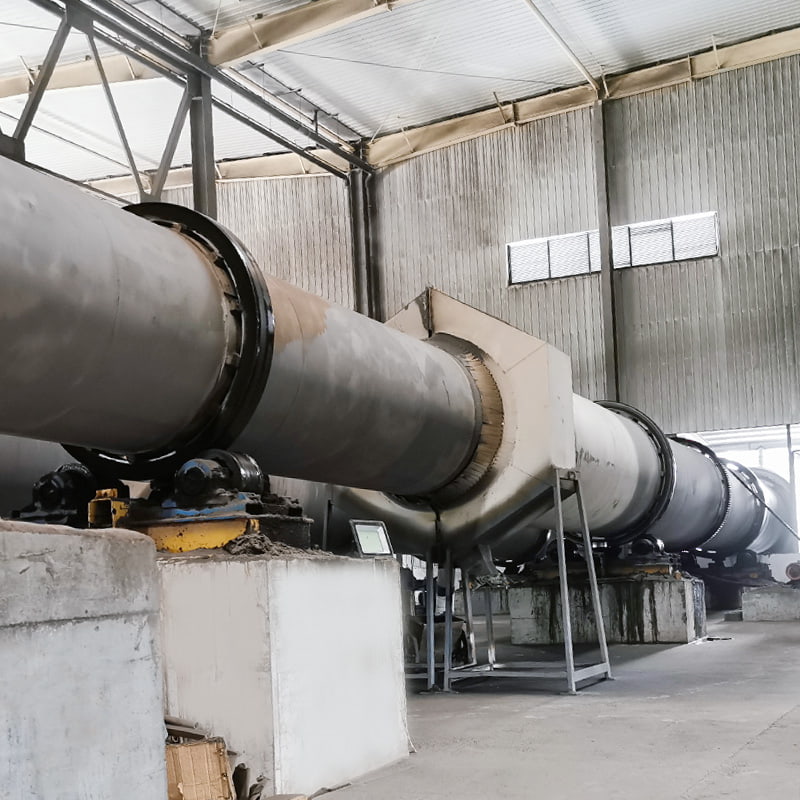
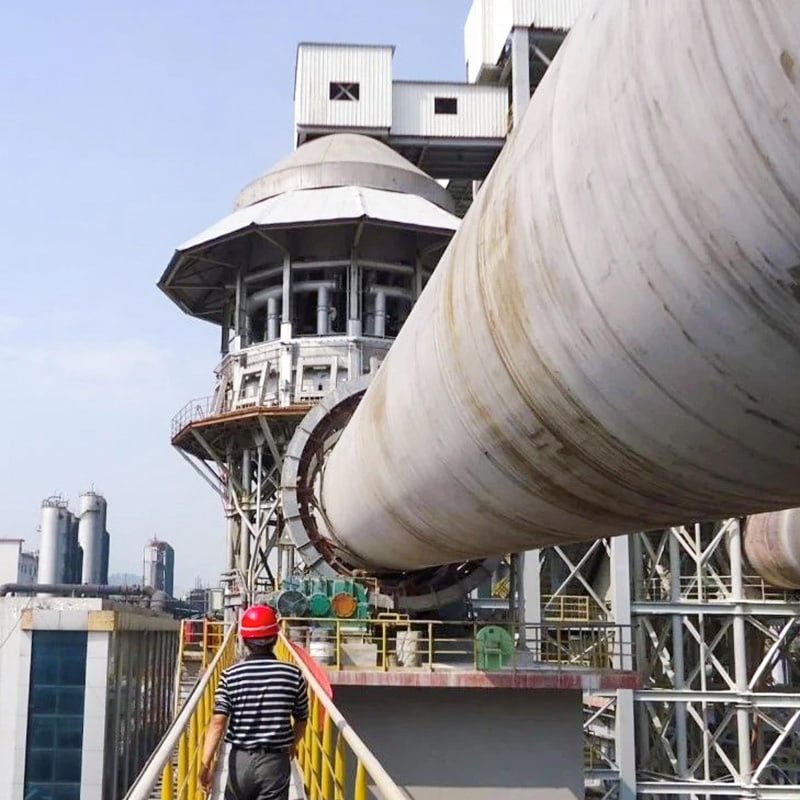
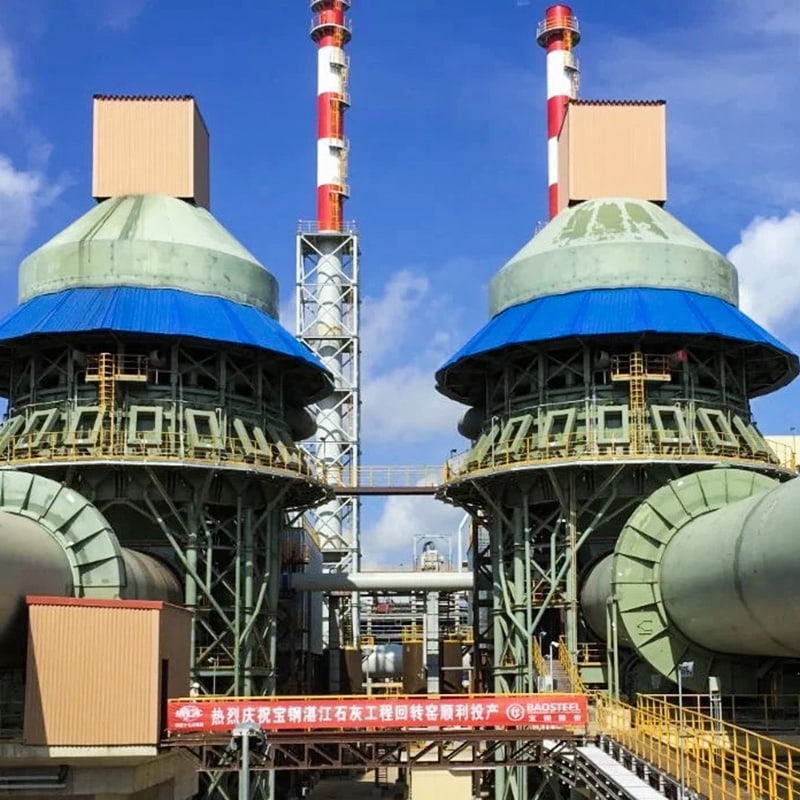
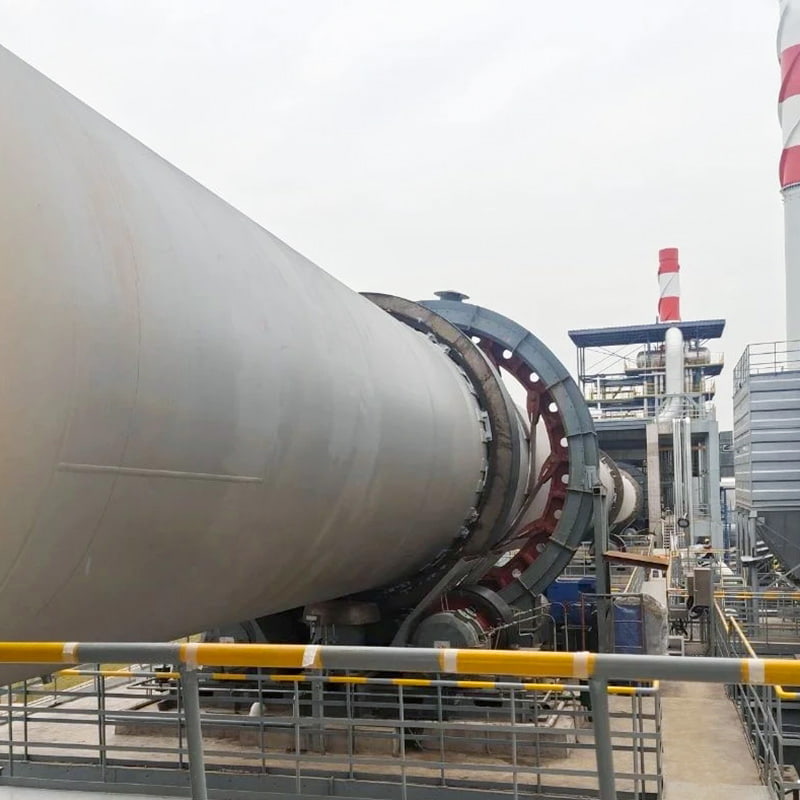
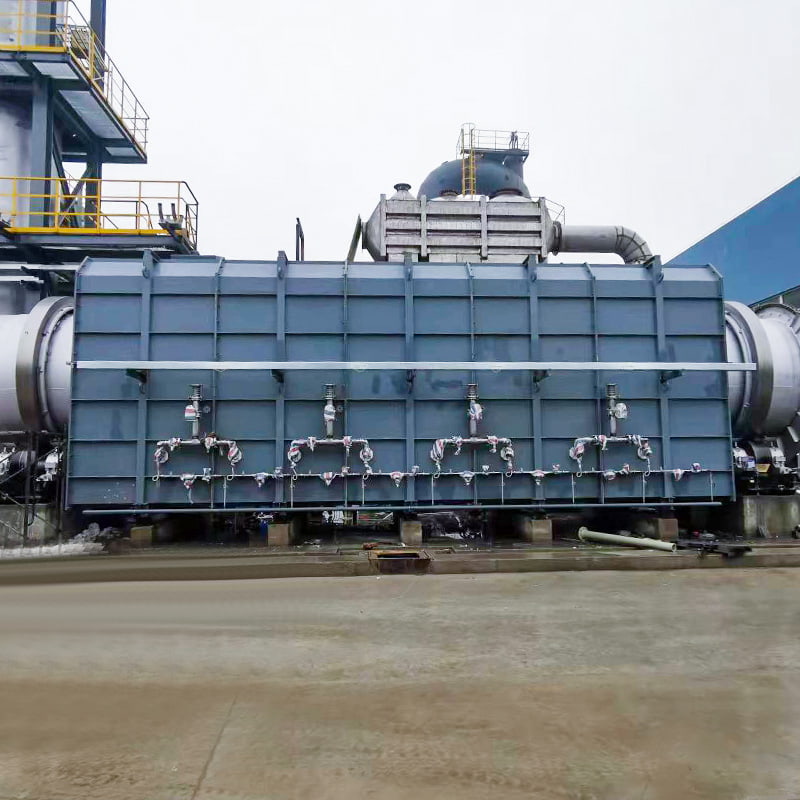
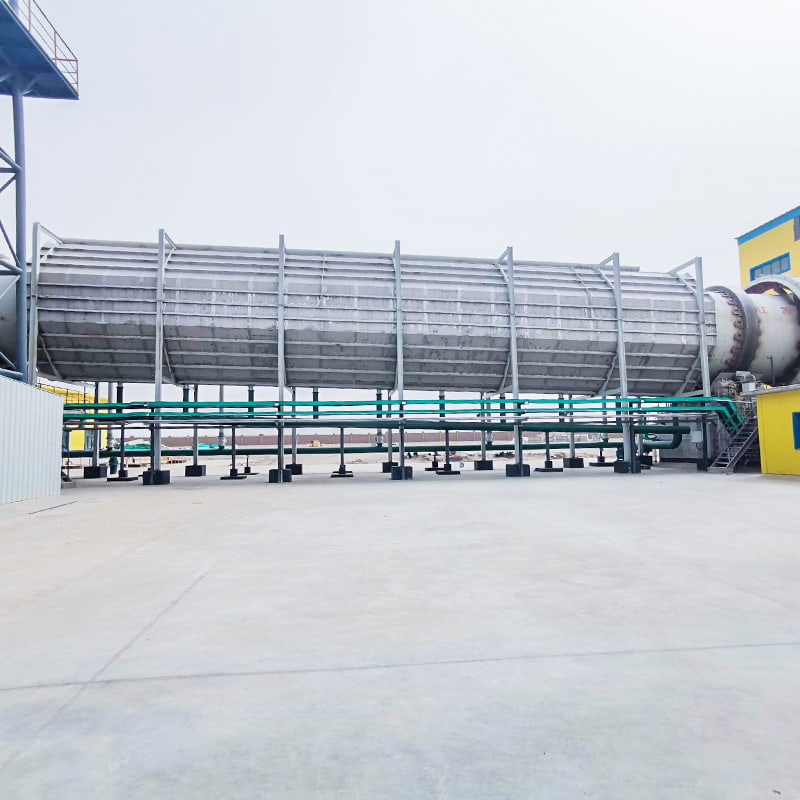
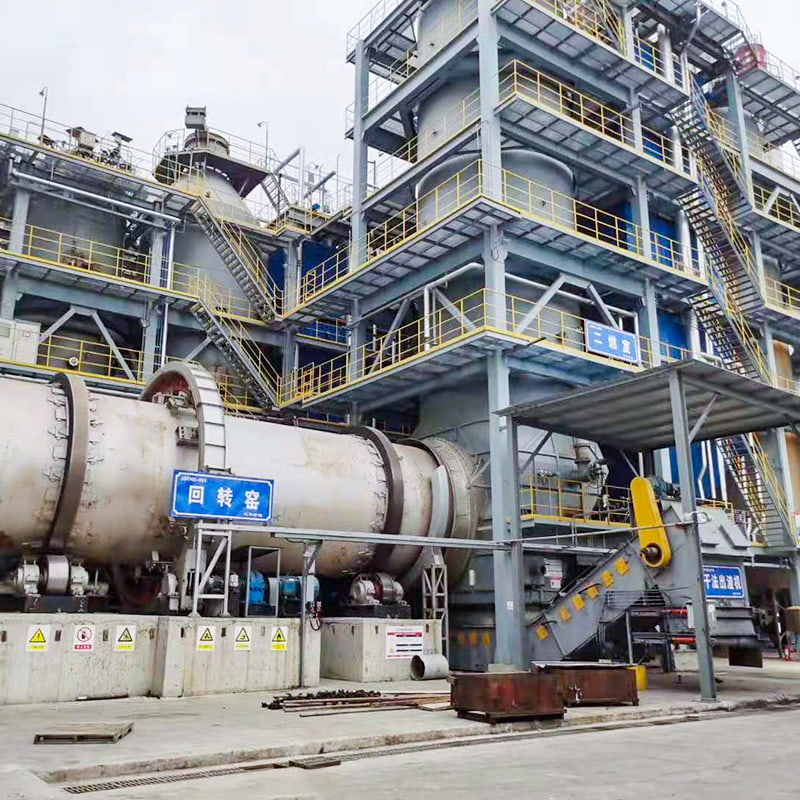


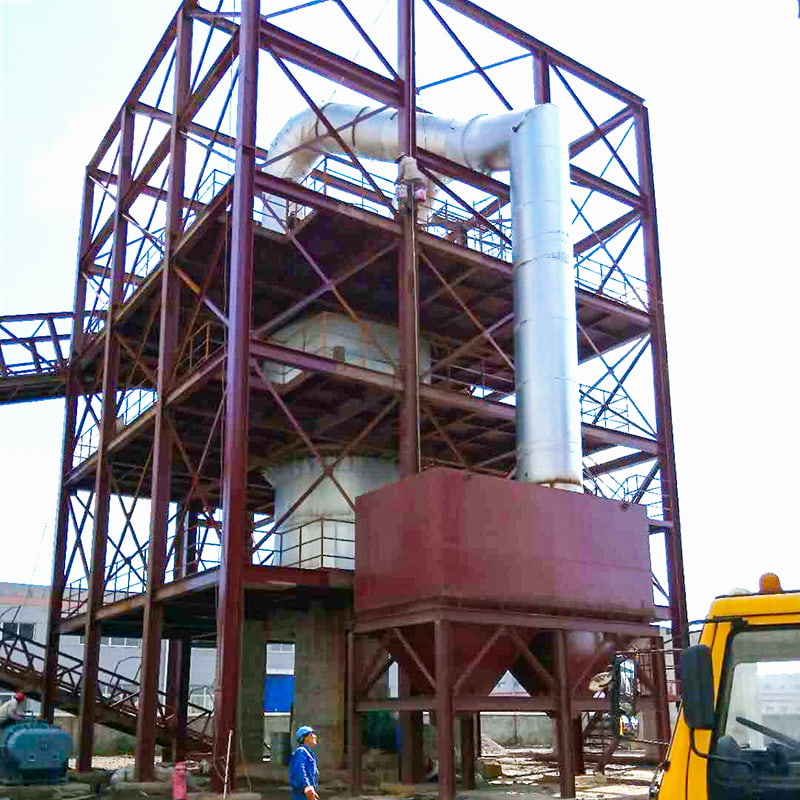
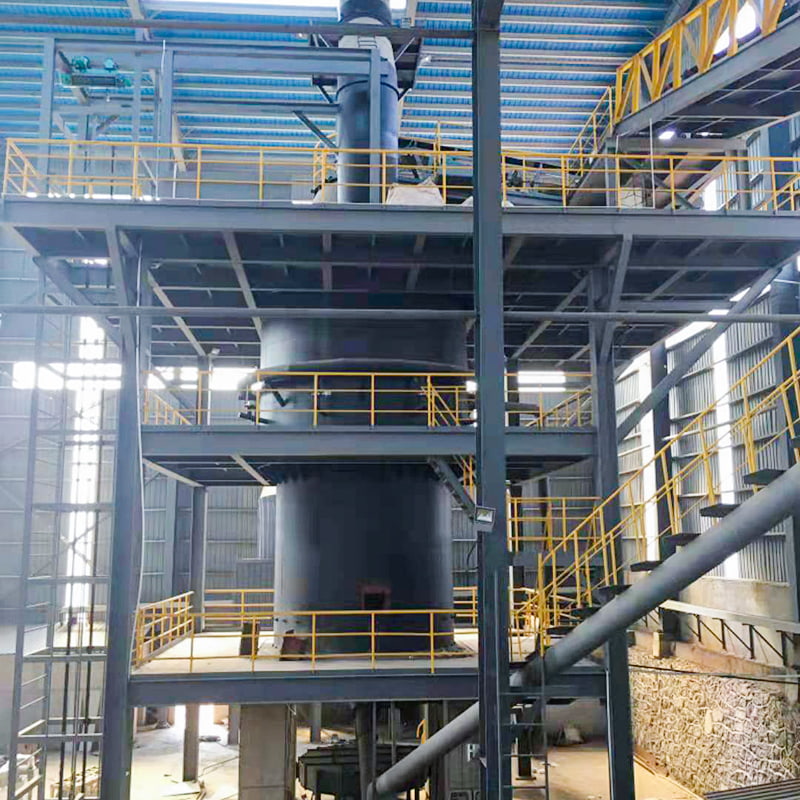
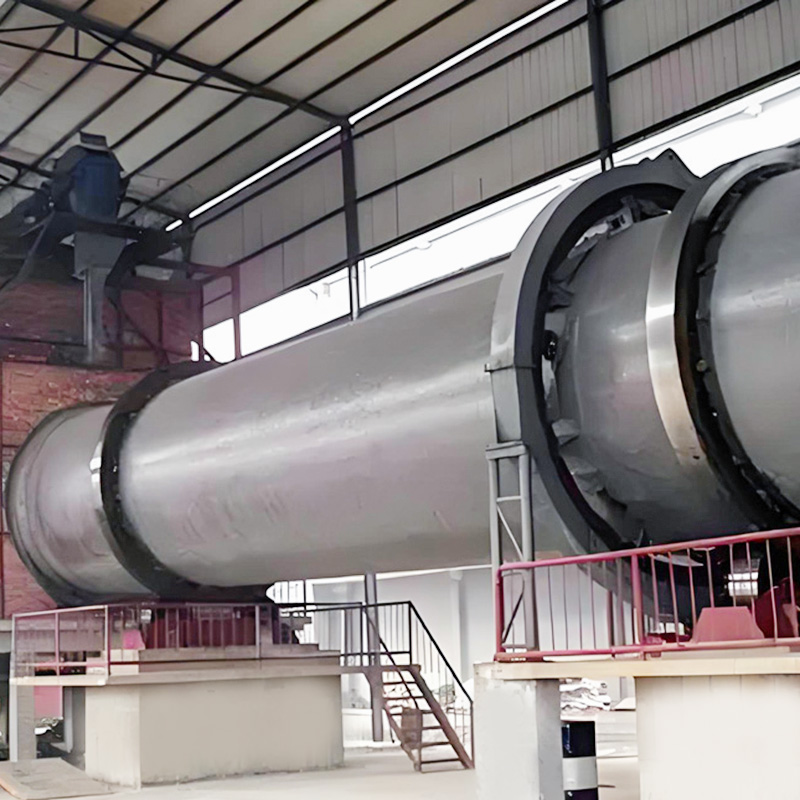
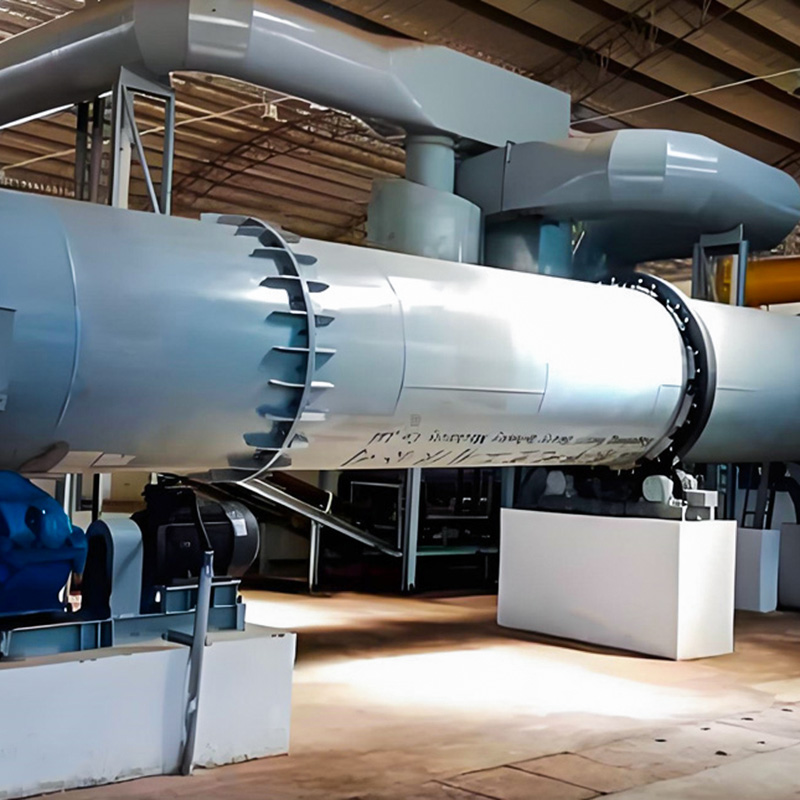
Calcination equipment is a type of industrial equipment used for high-temperature material processing. It uses direct or indirect heat sources to provide the required high-temperature environment for the material, promoting physical or chemical changes. Common types include rotary kilns and calciners. Rotary kilns are typically cylindrical and rotate slowly at a certain angle, allowing the material to tumble and move within them, ensuring even heating. Calcination furnaces can employ a variety of heating methods to meet the temperature and atmosphere requirements of different processes.
In the metallurgical industry, calcination equipment is used to roast ores, such as oxidative roasting of chromium and ferronickel ores, to improve their smelting properties. In the chemical industry, it can be used to treat catalyst materials to enhance their activity and stability. In building materials production, cement rotary kilns calcine raw materials into cement clinker, while lime rotary kilns are used to produce quicklime. Calcination equipment also plays an indispensable role in processing specialty materials, recovering rare metals, and treating solid and hazardous waste in the environmental protection sector, helping various industries achieve efficient and high-quality production goals.
About Us
Nantong Alisen Environmental Protection Technology Co., Ltd.
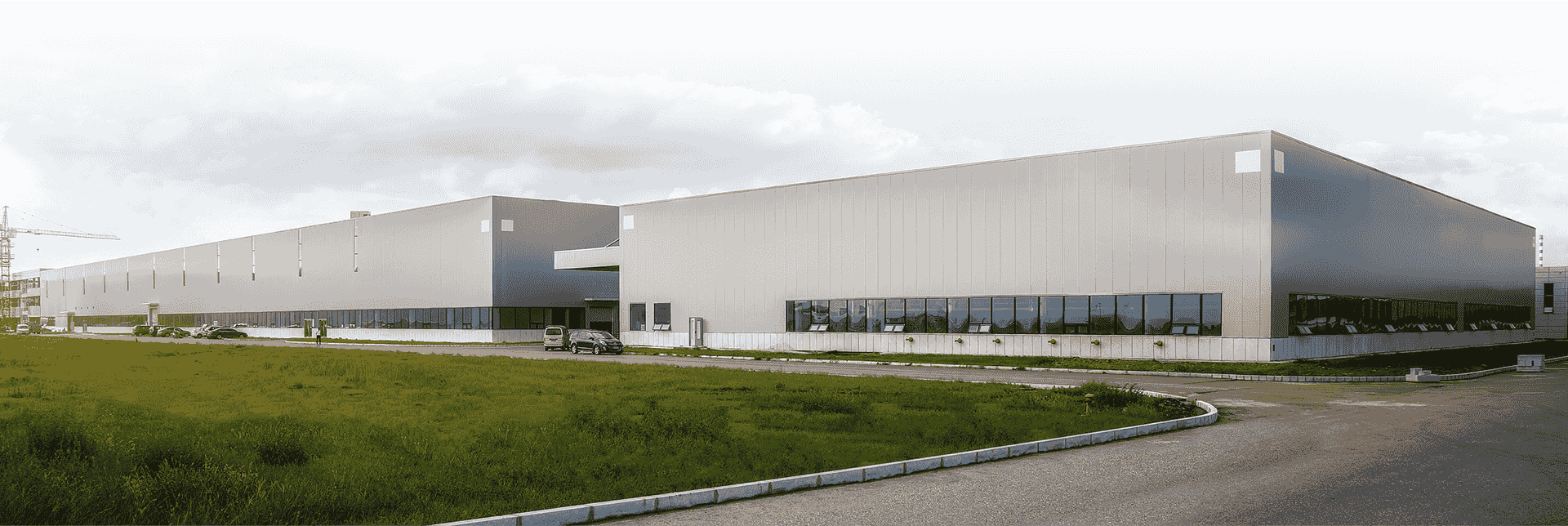
Nantong Alisen Environmental Protection Technology Co., Ltd. is a China Calcination Equipment Supplier for Fertilizer/Powder Production Equipment and Wholesale Calcination Equipment Company. Founded in 2007, Nantong Alisen Environmental Protection Technology Co., Ltd. is located in Qutang Town Industrial Park, Haian City, Jiangsu Province. It has two wholly-owned subsidiaries, namely Nantong Tengpeng Import and Export Co., Ltd. and Nantong Ailisen Environmental Protection Technology Co., Ltd. As a technology-oriented company focusing on fertilizer machinery and building materials machinery, we have been committed to the design and manufacturing of various types of fertilizer machinery and building materials machinery for many years.
The company boasts strong design and development capabilities, with its products covering a wide range and featuring high technological content. Many of its products lead the industry both domestically and internationally.
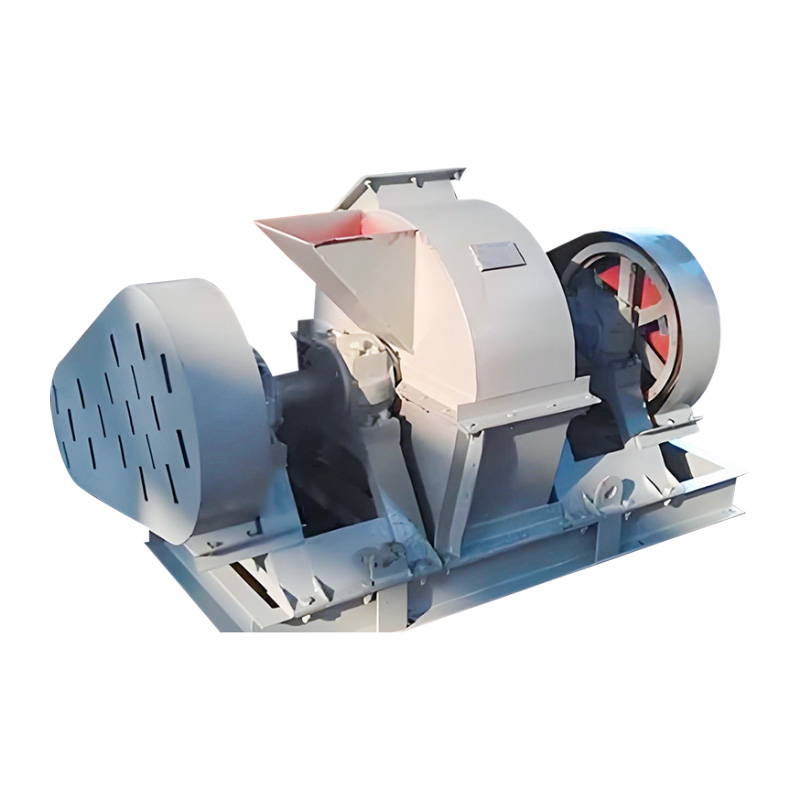
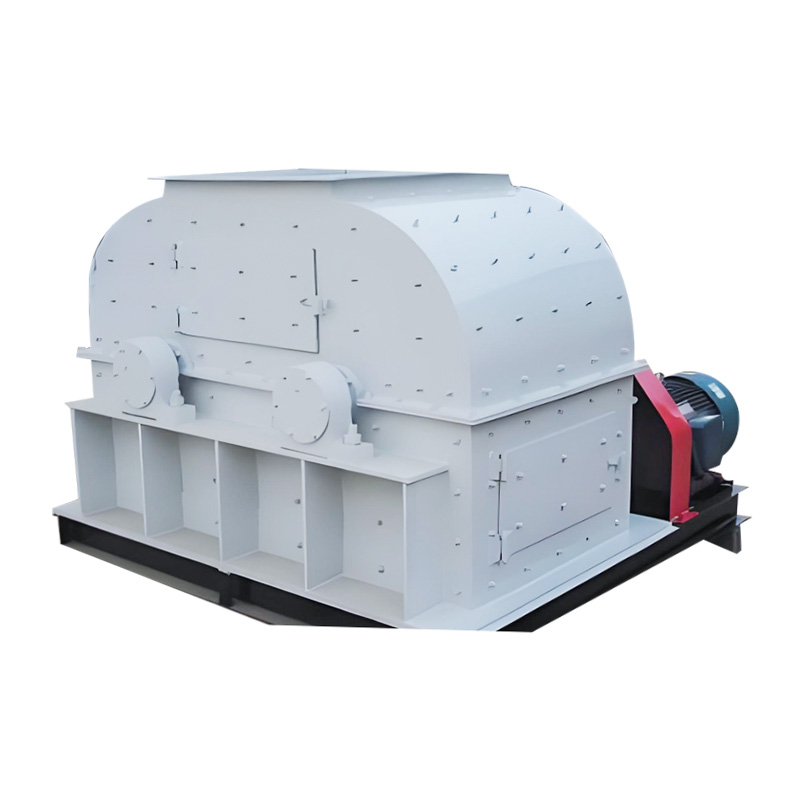
Its main products include Calcination Equipment,rotary kilns, drum granulators, dryers, coolers, coating machines, crushers, conveyors, dust collectors and other equipment, which are widely used in major chemical fertilizer manufacturers. These products are applied in complete production lines for compound fertilizers, organic fertilizers, bulk blending fertilizers (BB fertilizers), potassium sulfate, etc.
With experienced technicians and mature process design concepts, the company can provide users with a full set of services, including process design for compound (mixed) fertilizer complete sets, equipment production, formula customization, equipment installation and on-site training. While supplying users with a full set of equipment, the company also provides technical upgrading and transformation services in terms of new production capacity and environmental protection for old fertilizer production enterprises.
Adhering to the business philosophy of "Customer First, Quality-Oriented, Reputation as Solid as a Tripod, and Service Supreme", the company strives to meet the personalized needs of customers and provide high-quality services. It takes customer satisfaction as the criterion for measuring the enterprise, thus winning the trust and support of a large number of customers. At the same time, we warmly welcome experts and colleagues at home and abroad to visit for guidance, discuss cooperation and create a better future together.
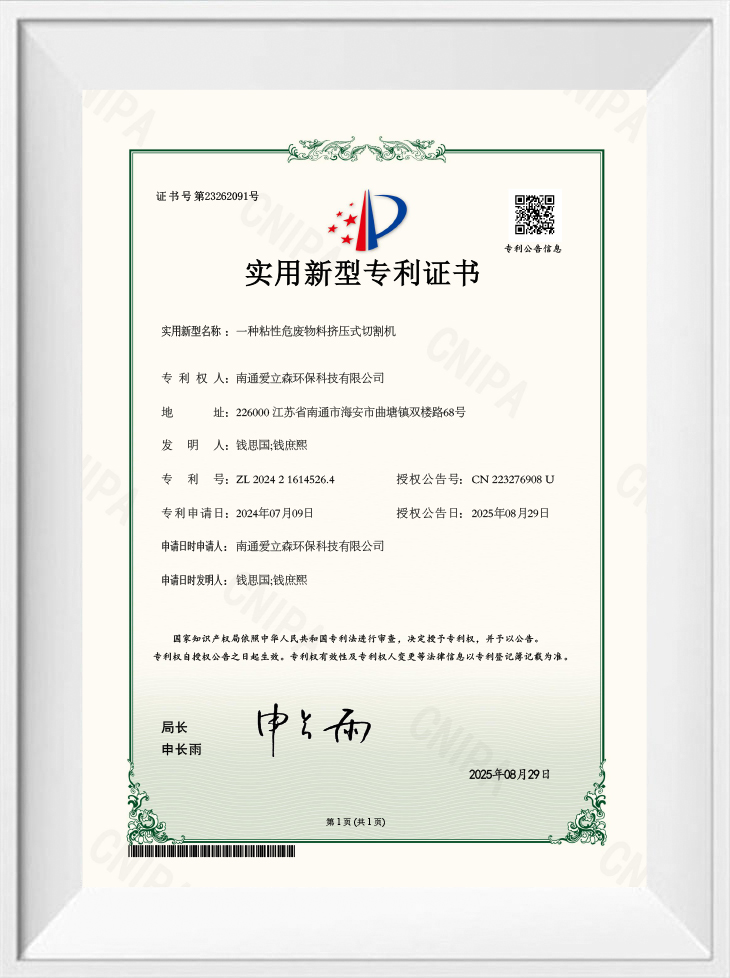
Certificate of Honor
News
-
For a belt-type bucket elevator, a hot-vulcanized stepped splice is the only joint worth treating as permanent. A splice is the joint that turns two belt ends into one endless loop, and in an elevator every tonne of material lifted passes through that joint several times an hour. Made correctly, t...
READ MORE -
A bucket elevator belt replacement is a planned shutdown job, not an emergency repair, and it runs fastest when the crew treats it as four separate tasks: isolate the machine, remove the old belt, position and splice the new one, then tension and track it under load. On a belt-type elevator handli...
READ MORE -
The three main bucket elevator belt joint types are mechanical clamp joints, vulcanized splices (hot or cold), and finger or lap joints for synthetic belts. For most heavy-duty rubber elevator belts, a hot vulcanized splice provides the strongest and most durable connection, while bolted mechanica...
READ MORE
Our Main Products
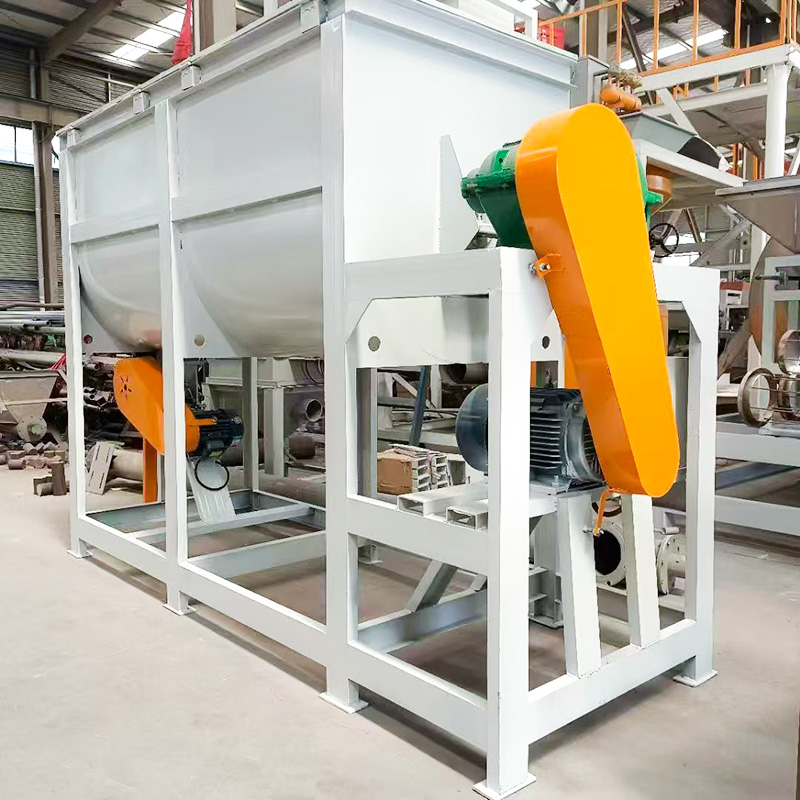
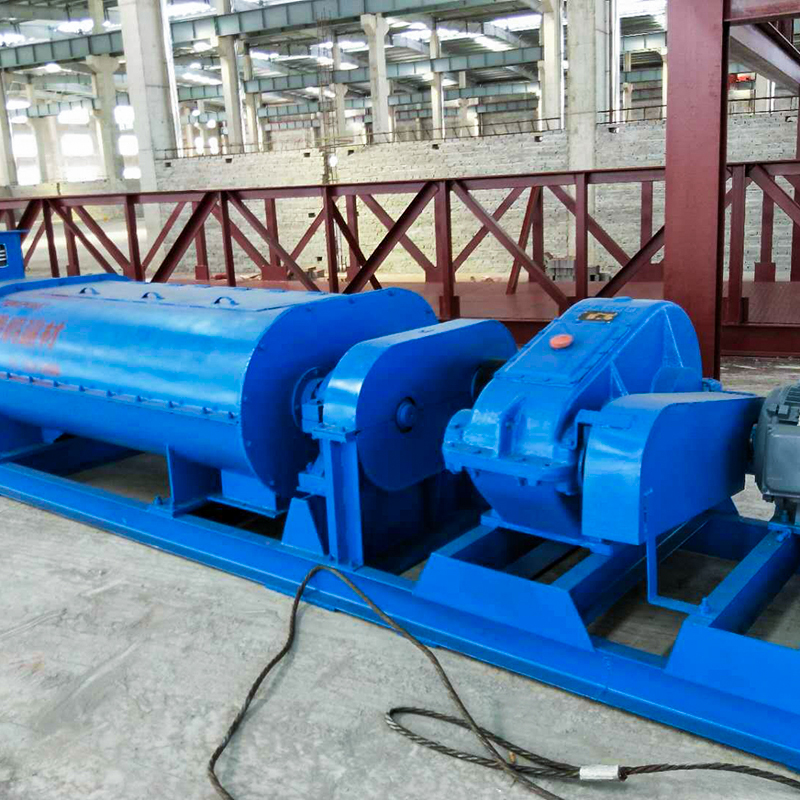
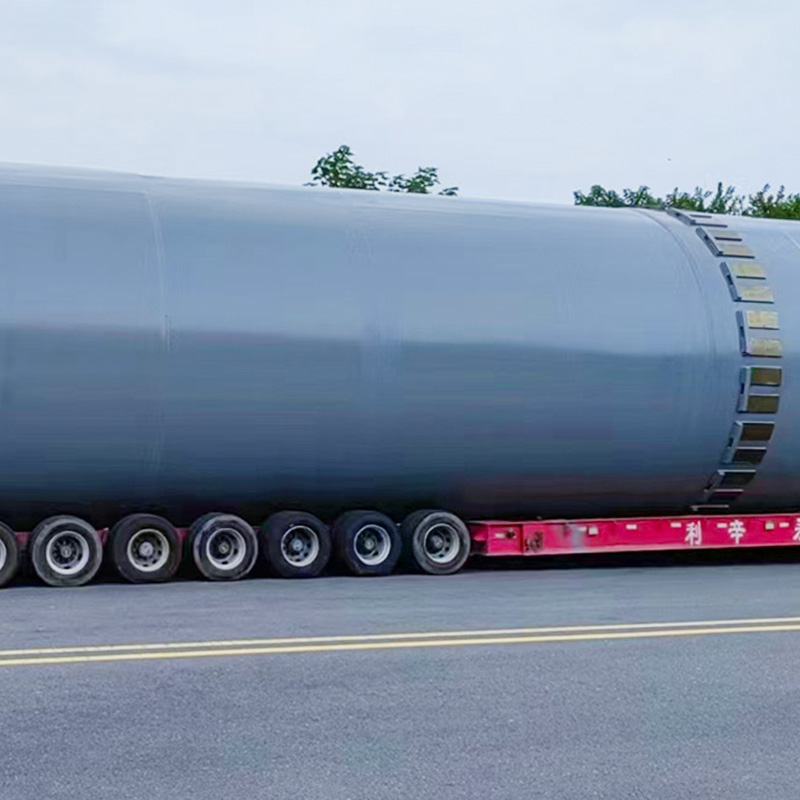
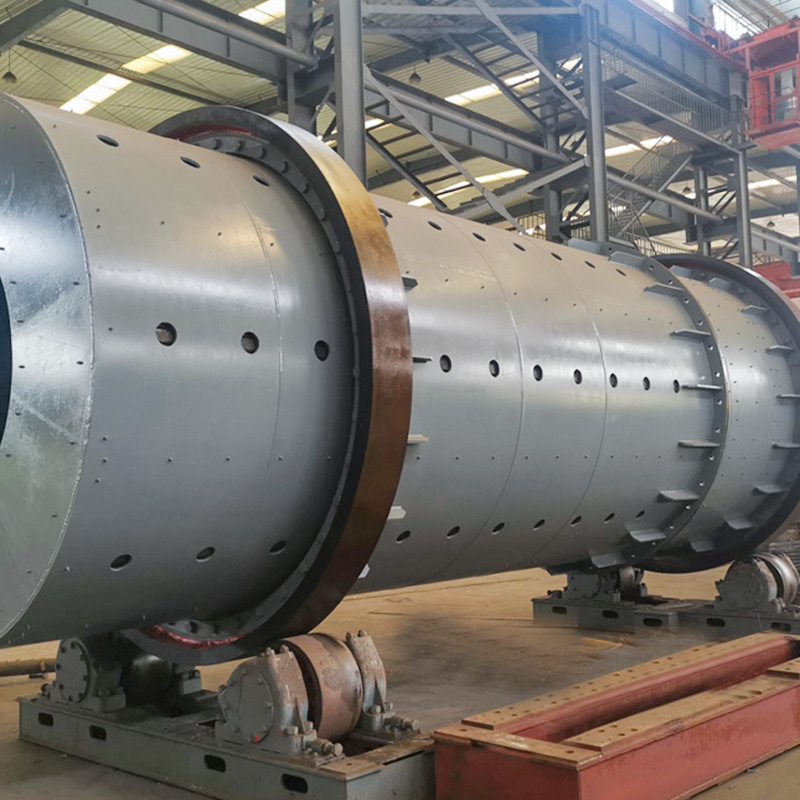
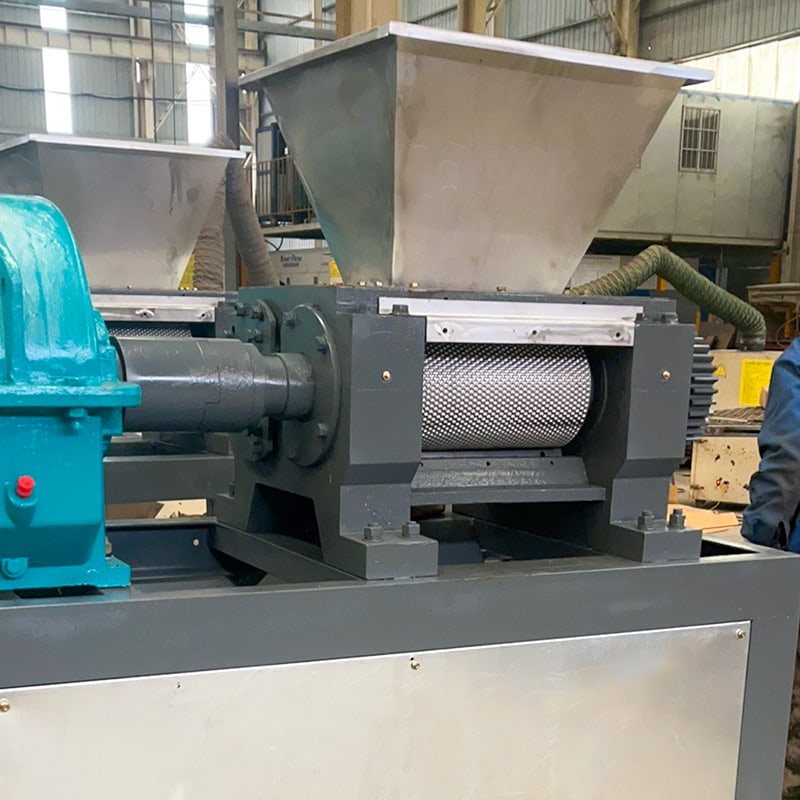
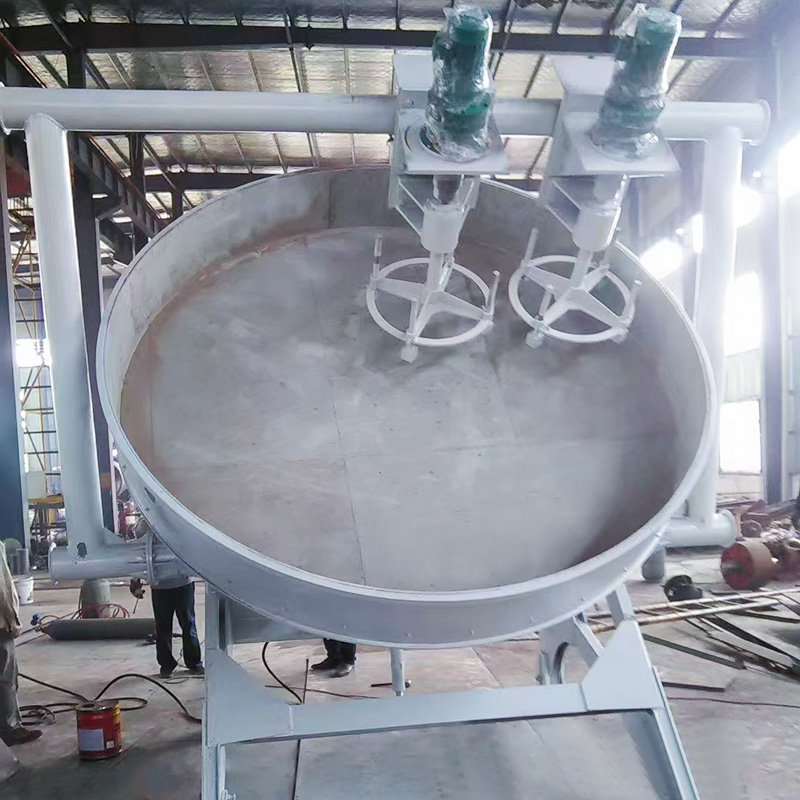
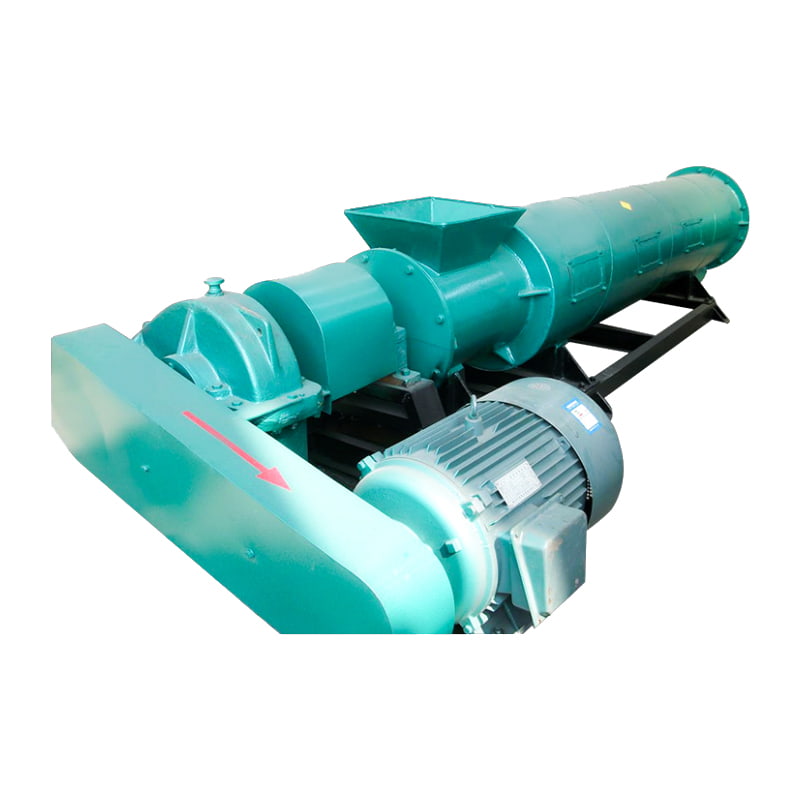
Calcination Equipment for Fertilizer/Powder Production line Industry knowledge
Calcination Equipment is widely applied in processes where materials require controlled thermal treatment to modify their physical or chemical properties. Typical functions include moisture removal, phase transformation, decomposition of carbonates, and preparation of active materials for subsequent processing steps. Calcination Equipment operates under high-temperature conditions with stable residence time, making it suitable for chemical fertilizers, building materials, mineral processing, and solid waste utilization. Nantong Alisen Environmental Protection Technology Co., Ltd., with long-term experience in fertilizer machinery and building materials machinery, integrates these technologies into complete production lines used in compound fertilizers, organic fertilizers, potassium sulfate, and related industries.
Working Principles of Calcination Equipment
Different types of Calcination Equipment follow similar heat-transfer mechanisms but differ structurally:
1. Rotary Kiln Calcination
-
Principle: Material enters a rotating cylindrical shell, where it is heated by direct or indirect combustion. Temperature control and residence time ensure uniform calcination.
-
Typical Applications: Fertilizer intermediates, clinker preparation, activated lime, refractory materials.
2. Fluidized Bed Calcination
-
Principle: High-velocity hot air forms a fluidized state, enhancing heat transfer and allowing precise temperature distribution.
-
Typical Applications: Fine powders, chemical catalysts, industrial salts.
3. Shaft Furnace Calcination
-
Principle: Material moves vertically in a packed bed while hot gases pass counter-currently, achieving energy-efficient calcination.
-
Typical Applications: Limestone, dolomite, metallurgical materials.
Application Cases
-
Fertilizer Industry: Rotary kiln systems used for calcining phosphate materials and potassium sulfate intermediates.
-
Building Materials: Calcination of cement raw materials and lightweight aggregates.
-
Metallurgy: Shaft furnace equipment used for oxide preparation and reduction processes.
-
Chemical Industry: Fluidized bed calcination of catalysts and specialty chemical powders.
Category Comparison of Calcination Equipment
| Type | Heat Transfer Method | Suitable Materials | Key Features | Typical Capacity Range |
|---|---|---|---|---|
| Rotary Kiln | Direct/Indirect heating | Granules, lumps | Wide adaptability, adjustable residence time | Medium–large |
| Fluidized Bed | High-efficiency convection | Fine powders | Uniform calcination, good temperature control | Medium |
| Shaft Furnace | Counter-current heat flow | Bulk solids | Lower energy consumption, compact layout | Medium–large |
Nantong Alisen Environmental Protection Technology Co., Ltd. incorporates these equipment types into integrated calcination systems, combining dryers, coolers, dust collection units, and material conveyors to support continuous, stable production.
Maintenance & Operation Guidance
Daily Maintenance
-
Inspect refractory linings for cracks or wear.
-
Check burner operation, airflow, and temperature stability.
-
Confirm seal integrity at feed and discharge ends.
-
Ensure lubricants for support rollers, bearings, and drives are maintained.
Periodic Maintenance
-
Alignment inspection for rotary kilns to prevent shell deformation.
-
Cleaning of air distributor plates in fluidized bed units.
-
Replacement of worn grate plates or refractory components.
-
Calibration of temperature sensors and control systems.
FAQs – Calcination Equipment
Q1: How to determine suitable calcination temperature?
A: Temperature is selected based on material decomposition characteristics and required phase transformation. Laboratory tests or pilot data are typically used.
Q2: What affects the residence time in a rotary kiln?
A: Kiln inclination, rotational speed, material fill rate, and particle size distribution.
Q3: How does calcination equipment integrate with upstream and downstream systems?
A: Feeding, drying, calcination, cooling, and dust removal are combined into a continuous line. Companies such as Nantong Alisen Environmental Protection Technology Co., Ltd. supply matched granulators, dryers, coolers, conveyors, and dust collectors for complete system operation.
Q4: What dust control methods are used in calcination?
A: Typically includes cyclone separators, bag filters, and induced-draft systems designed according to material volatility and particle characteristics.

GET IN
TOUCH WITH US
TOUCH WITH US
-
 No.68, Shuanglou Road, Qutang Town, Haian City, Nantong, Jiangsu
 -
Tel:
 +86-13914355558/18994158908
 -
E-mail:
 sales@tp-machinery.com
