
 En
En
 English
  Français
  русский
  中文简体
中文简体  عربى
عربى  Español
alisen
alisen
alisen
alisen
alisen
alisen
alisen
alisen
alisen
alisen
alisen
alisen
Industry News
What factors affect the production efficiency of the Compound Fertilizer Production Line?

Factors Affecting the Efficiency of Compound Fertilizer Production Line
The efficiency of the Compound Fertilizer Production Line is influenced by various factors, which can significantly impact production output, quality, and overall operational costs. Understanding these factors is crucial for manufacturers aiming to optimize their production processes. Below are the key elements that affect the efficiency of compound fertilizer production lines.
1. Raw Material Quality
The quality of raw materials used in the production of compound fertilizers plays a pivotal role in the final product’s quality and production efficiency. The choice of nitrogen, phosphorus, and potassium (NPK) raw materials determines the consistency and effectiveness of the fertilizer. High-quality raw materials lead to smoother production processes and better product quality, whereas poor-quality inputs can result in equipment wear and inconsistent batch results.
2. Equipment Condition and Maintenance
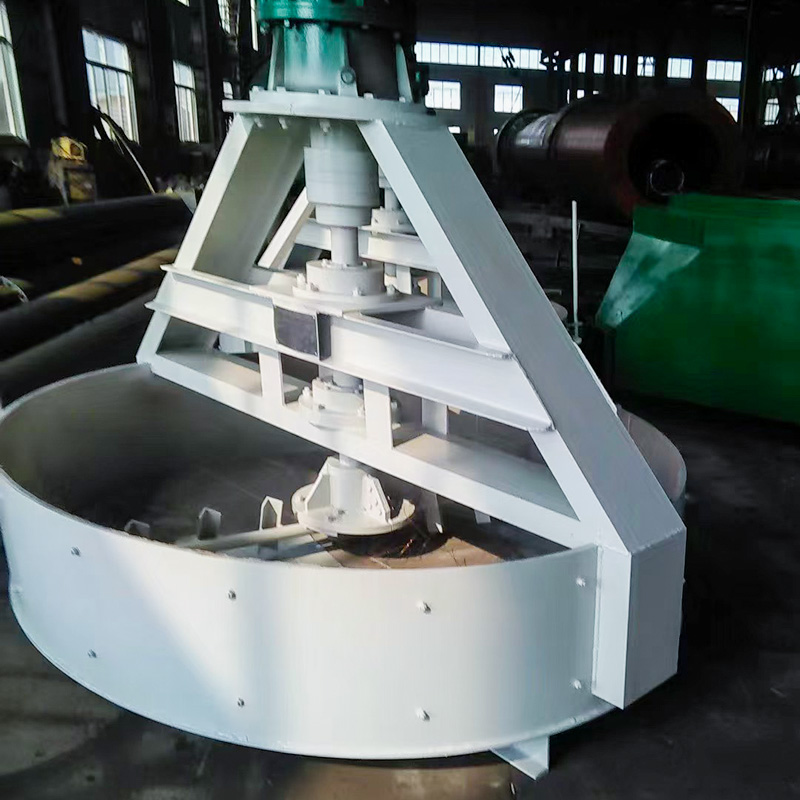
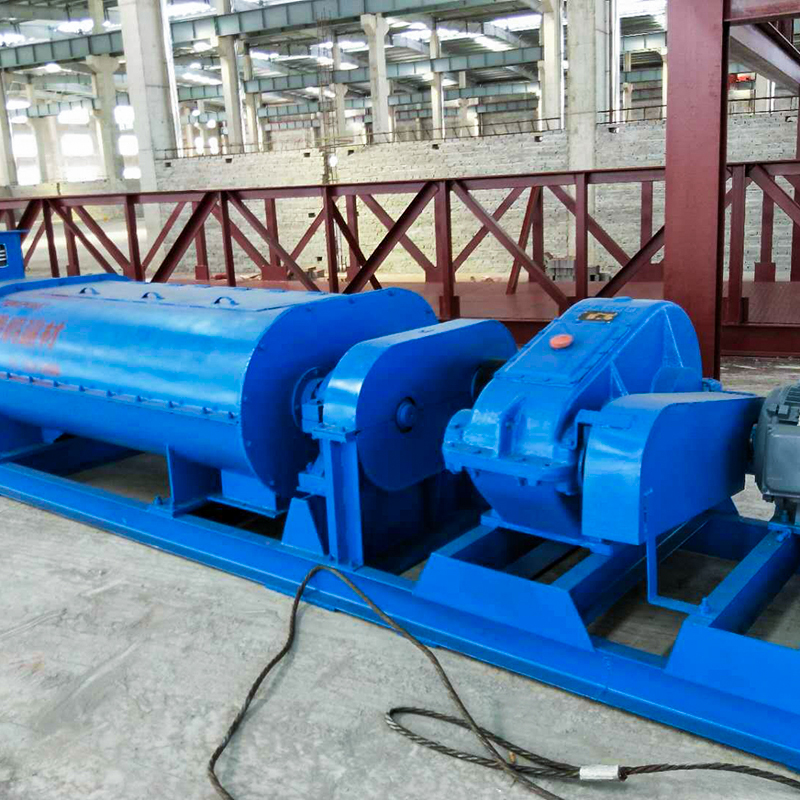
Well-maintained and properly functioning machinery is critical for maintaining high production efficiency. Regular inspections and timely repairs help prevent unexpected breakdowns and downtime. Key equipment in a compound fertilizer production line includes mixers, granulators, dryers, coolers, and bagging machines. Neglecting regular maintenance can lead to inefficiencies, delays, and higher operational costs.
3. Production Line Design
The design of the production line itself can have a significant impact on production efficiency. A well-organized and strategically laid out production line ensures a smooth flow of materials and minimizes bottlenecks. Proper integration of automation systems can further optimize the process, improving both speed and consistency. Factors such as equipment placement, the flow of materials, and the use of energy-efficient machinery contribute to a streamlined operation.
4. Process Control and Automation
Automation in the production process has become increasingly essential in modern compound fertilizer plants. Automated control systems help monitor and adjust key parameters such as temperature, pressure, and material feed rates. These systems can detect deviations from set standards, triggering adjustments in real-time to maintain optimal conditions. Advanced process control systems not only improve efficiency but also reduce human error, enhancing the consistency of the final product.
5. Environmental Conditions
Environmental factors such as temperature, humidity, and ventilation have an indirect impact on the efficiency of the compound fertilizer production line. For instance, excess humidity can affect the granulation process, causing the fertilizer to clump together or not form properly. Similarly, high temperatures can increase the risk of material degradation, leading to production inefficiencies. Proper environmental control systems are essential to mitigate these risks.
6. Worker Training and Skill Level
The skill and knowledge of workers operating the compound fertilizer production line directly affect the efficiency of the entire operation. Well-trained personnel can identify potential problems early, optimize machine settings, and make quick decisions to rectify any issues that arise. Investing in workforce training ensures that workers are familiar with best practices, new technologies, and safety protocols, all of which contribute to higher production efficiency.
7. Energy Consumption and Cost Control
Energy consumption is a significant operational cost in the compound fertilizer production process. Energy-efficient machines and technologies help reduce electricity and fuel costs, making the production process more cost-effective. Implementing energy-saving measures such as optimizing motor speeds, improving heating efficiency, and using renewable energy sources can significantly lower production costs without compromising efficiency.
8. Raw Material Storage and Handling
Proper storage and handling of raw materials is crucial to prevent degradation and ensure that the production line operates smoothly. Materials should be stored in a dry, well-ventilated environment to prevent moisture absorption, which can affect the production process. Using automated systems to handle materials reduces the chances of human error and improves the consistency of material input quality.
Comparison of Key Factors Affecting Efficiency
| Factor | Impact on Efficiency | Mitigation Measures |
|---|---|---|
| Raw Material Quality | Directly impacts product consistency and machine wear | Use high-quality materials and maintain supplier relationships |
| Equipment Maintenance | Affects machine performance, downtime, and repair costs | Regular maintenance schedules and timely repairs |
| Production Line Design | Affects material flow and automation efficiency | Optimize layout and incorporate automation |
| Process Control | Improves consistency and reduces human error | Implement automated control systems and real-time monitoring |
| Environmental Conditions | Can impact the granulation process and material quality | Control temperature and humidity levels |
FAQs
- What are the most common problems in compound fertilizer production lines?
Common issues include equipment malfunctions, raw material inconsistencies, and poor environmental conditions. - How can automation improve production efficiency?
Automation helps control key parameters, reduces human error, and speeds up the process while ensuring consistent product quality. - How often should equipment maintenance be performed?
Maintenance should be scheduled based on equipment usage and manufacturer recommendations, typically on a quarterly or semi-annual basis.



GET IN
TOUCH WITH US
TOUCH WITH US
-
 No.68, Shuanglou Road, Qutang Town, Haian City, Nantong, Jiangsu
 -
Tel:
 +86-13914355558/18994158908
 -
E-mail:
 sales@tp-machinery.com
COPYRIGHT © 2025 Nantong Alisen Environmental Protection Technology Co., Ltd.
ALL RIGHTS RESERVED.
China fertilizer machinery manufacturer wholesale fertilizer machinery factory
