
 En
En
 English
  Français
  русский
  中文简体
中文简体  عربى
عربى  Español
alisen
alisen
alisen
alisen
alisen
alisen
alisen
alisen
alisen
alisen
alisen
alisen
Industry News
Requirements for Factory and Site Planning for Compound Fertilizer Production Line

Establishing a compound fertilizer production line is a complex task that requires careful planning, proper site selection, and construction of the right facilities. This involves evaluating the physical space, technical infrastructure, environmental factors, and ensuring compliance with regulations.
1. Site Selection
Choosing the right location is crucial for the successful operation of a compound fertilizer production line. The following factors should be considered during site selection:
- Accessibility to Raw Materials: Proximity to raw materials such as nitrogen, phosphorus, and potassium sources reduces transportation costs.
- Transportation Facilities: The site should have good road and rail connectivity to facilitate the easy movement of both raw materials and finished products.
- Availability of Utilities: Ensure access to reliable sources of water, electricity, and gas. Adequate power supply is essential for the production process, while water is required for mixing, cooling, and cleaning purposes.
- Environmental Considerations: The site should be away from residential areas to minimize the impact of noise, dust, and emissions. It should also comply with local environmental protection regulations.
- Land Size: The site should have enough space to accommodate the entire production line, including warehouses, storage areas, and loading/unloading zones.
2. Factory Layout and Design
The factory layout plays a critical role in optimizing workflow and ensuring safety. A well-planned factory design minimizes congestion and improves operational efficiency. Key considerations include:
- Production Line Flow: The layout should allow smooth flow of materials from the raw material storage to the production line, with minimal handling. It’s important to design the factory so that raw materials, intermediates, and final products are transported with efficiency.
- Space for Equipment: The factory should have enough room for essential equipment, including mixing units, granulators, dryers, and packaging machines. Each equipment should have adequate space for maintenance and safe operation.
- Storage Areas: The design should include designated areas for storing raw materials, finished products, and hazardous materials. The storage area should be well-ventilated, dry, and easily accessible.
- Safety Features: Emergency exits, fire suppression systems, and safety zones must be incorporated into the factory layout. Additionally, space should be allocated for personal protective equipment (PPE) stations and first-aid kits.
- Waste Management: The site should have a plan in place for handling and disposing of industrial waste such as dust, chemicals, and other byproducts of the production process.
3. Equipment and Machinery Requirements
Choosing the right equipment is vital to ensure efficient and high-quality production of compound fertilizers. The machinery should be capable of handling the desired production capacity and types of fertilizers. Key equipment includes:
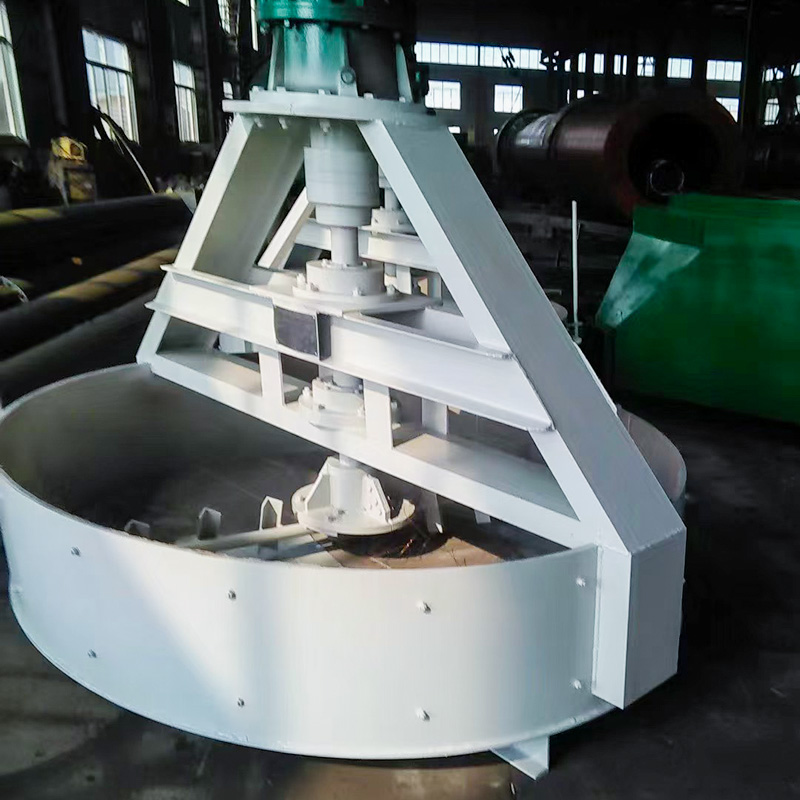
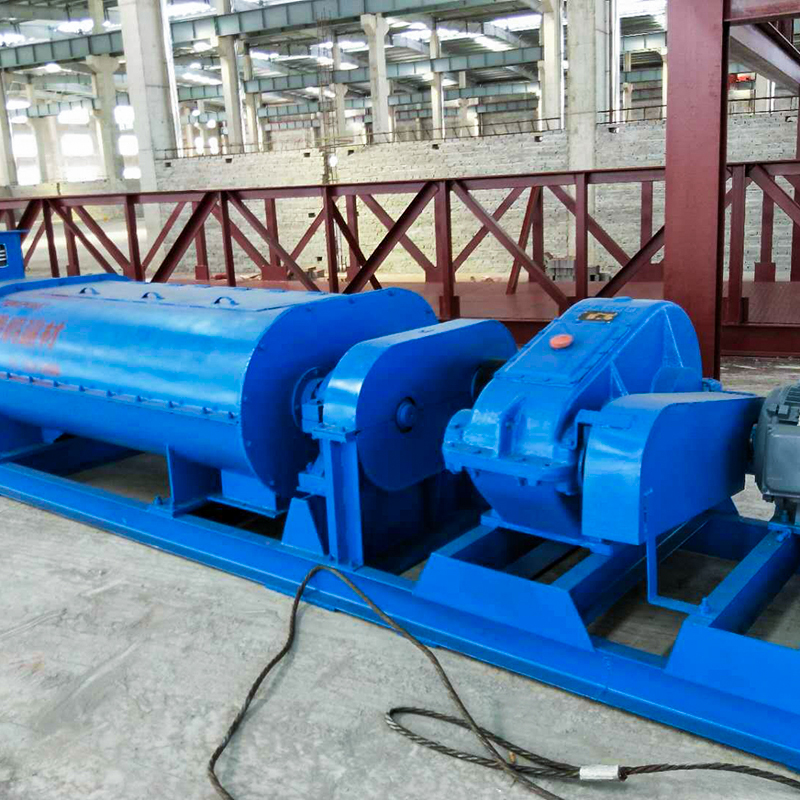
- Mixing Equipment: The production line requires mixing units for blending the raw materials. These machines should ensure uniformity in the mixture to meet the required specifications.
- Granulating Machines: Granulation is a key step in compound fertilizer production. The machines should be able to produce granules of uniform size and strength.
- Drying and Cooling Systems: To ensure that the granules maintain their shape, they need to be dried and cooled. Proper temperature control is essential for the quality of the final product.
- Coating Machines: Fertilizers are often coated to improve handling and prevent clumping. The coating process is vital for the longevity and effectiveness of the product.
- Packaging Equipment: Automatic packaging machines should be in place to handle the finished product efficiently, ensuring consistent packaging size and weight.
4. Environmental Considerations
The compound fertilizer production process can have environmental impacts if not properly managed. Therefore, it is essential to implement the following:
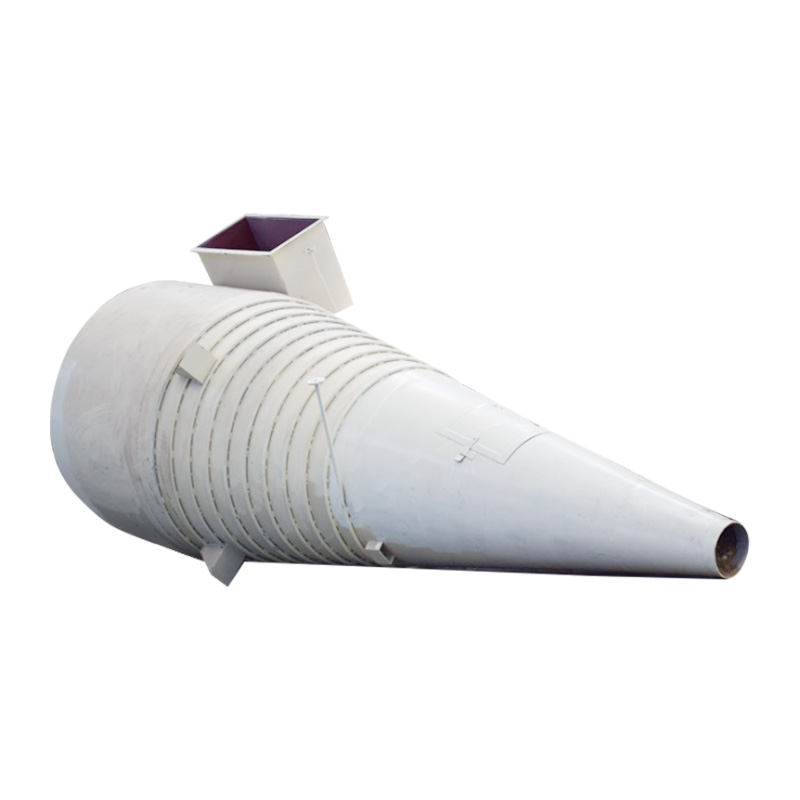
- Dust Control: The handling of dry raw materials and finished products can generate dust, which can be harmful to both workers and the environment. Install dust collectors to mitigate this issue.
- Air and Water Pollution Control: Proper treatment systems should be in place to treat air and water emissions. Regular monitoring and compliance with environmental regulations are crucial.
- Noise Reduction: The equipment used in the production process, such as granulators and mixers, can generate significant noise. Installing soundproofing measures can minimize noise pollution.
5. Compliance with Industry Standards
It is essential that the compound fertilizer production line meets local and international industry standards. Compliance with regulations ensures the safety, quality, and environmental sustainability of the production process. Key regulations include:
- Safety Standards: Compliance with workplace safety standards is necessary to protect workers from accidents and health risks. Ensure that the factory adheres to OSHA (Occupational Safety and Health Administration) or equivalent standards.
- Environmental Regulations: The site should comply with local environmental laws regarding waste management, emissions, and water usage.
- Product Quality Standards: The final product should meet the quality standards set by regulatory bodies, ensuring that the fertilizers are safe for agricultural use.
6. Frequently Asked Questions (FAQ)
Q1: What is the ideal land size for a compound fertilizer production line?
A1: The ideal land size depends on the production capacity and the types of fertilizers being produced. A minimum of 10,000 square meters is recommended for small to medium-sized plants, while larger facilities may require 20,000 square meters or more.
Q2: How can I reduce dust emissions during fertilizer production?
A2: Dust emissions can be reduced by using enclosed conveyors, dust collectors, and air filtration systems. Additionally, wetting agents can be added to raw materials to prevent dust generation.
Q3: What are the typical safety hazards in a fertilizer production line?
A3: Safety hazards include exposure to chemicals, dust inhalation, equipment malfunction, and fire risks. Proper training, protective gear, and safety systems should be in place to prevent accidents.
Q4: How do I maintain equipment in a fertilizer production line?
A4: Regular maintenance of equipment, such as lubricating moving parts, cleaning filters, and inspecting machines for wear and tear, is essential. A preventive maintenance schedule should be followed to reduce downtime and extend equipment life.
Conclusion
Planning the factory and site for a compound fertilizer production line involves careful consideration of factors such as site selection, factory design, equipment needs, environmental impact, and industry compliance. By following these requirements, you can set up an efficient and safe production facility capable of producing high-quality compound fertilizers.



GET IN
TOUCH WITH US
TOUCH WITH US
-
 No.68, Shuanglou Road, Qutang Town, Haian City, Nantong, Jiangsu
 -
Tel:
 +86-13914355558/18994158908
 -
E-mail:
 sales@tp-machinery.com
COPYRIGHT © 2025 Nantong Alisen Environmental Protection Technology Co., Ltd.
ALL RIGHTS RESERVED.
China fertilizer machinery manufacturer wholesale fertilizer machinery factory
