
 En
En
 English
  Français
  русский
  中文简体
中文简体  عربى
عربى  Español
alisen
alisen
alisen
alisen
alisen
alisen
alisen
alisen
alisen
alisen
alisen
alisen
Industry News
What is a compound fertilizer production line, and what are its main functions?

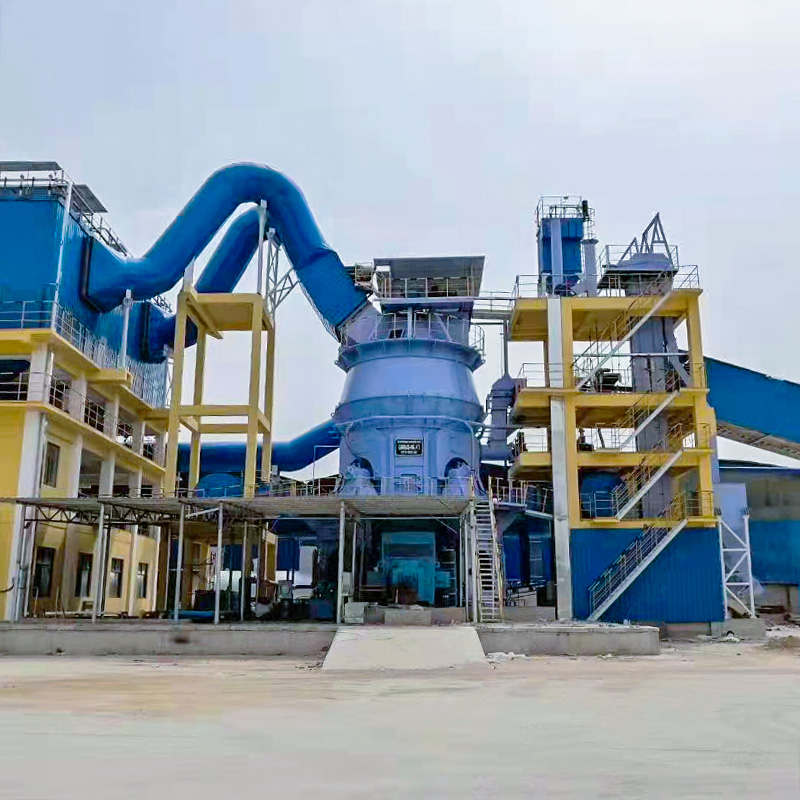
A Compound Fertilizer Production Line is a highly integrated industrial system designed to manufacture compound fertilizers efficiently. Unlike single-nutrient fertilizers, compound fertilizers provide multiple essential nutrients such as nitrogen (N), phosphorus (P), and potassium (K) in a balanced ratio, tailored to crop requirements. The production line integrates various processes including raw material handling, granulation, drying, cooling, screening, coating, and packaging to ensure high-quality fertilizer output.
Main Functions of a Compound Fertilizer Production Line
The primary role of a Compound Fertilizer Production Line is to convert raw materials into nutritionally balanced granular fertilizers that enhance crop productivity. Its core functions include:
- Granulation: Converts powdered raw materials into uniform granules, improving fertilizer efficiency and ease of application.
- Nutrient Optimization: Allows precise blending of NPK components and trace elements according to agronomic requirements.
- Moisture Control: Drying and cooling processes ensure stable moisture levels, preventing caking during storage.
- Particle Uniformity: Screening ensures consistent granule size, which improves the spreading performance and nutrient availability.
- Surface Protection: Coating prevents granule oxidation and loss of nutrients, enhancing shelf life and effectiveness.
Key Components of a Compound Fertilizer Production Line
A typical Compound Fertilizer Production Line consists of several interconnected machines, each performing a specific role in fertilizer manufacturing:
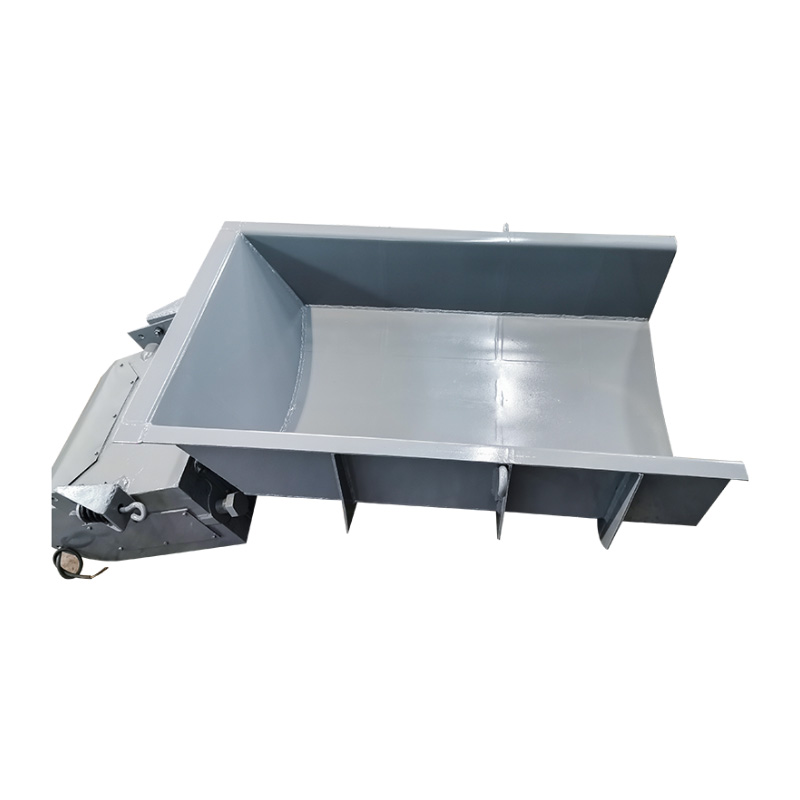
- Raw Material Storage and Handling: Silos, conveyors, and feeders store and transport raw materials such as urea, ammonium phosphate, potassium chloride, and other microelements.
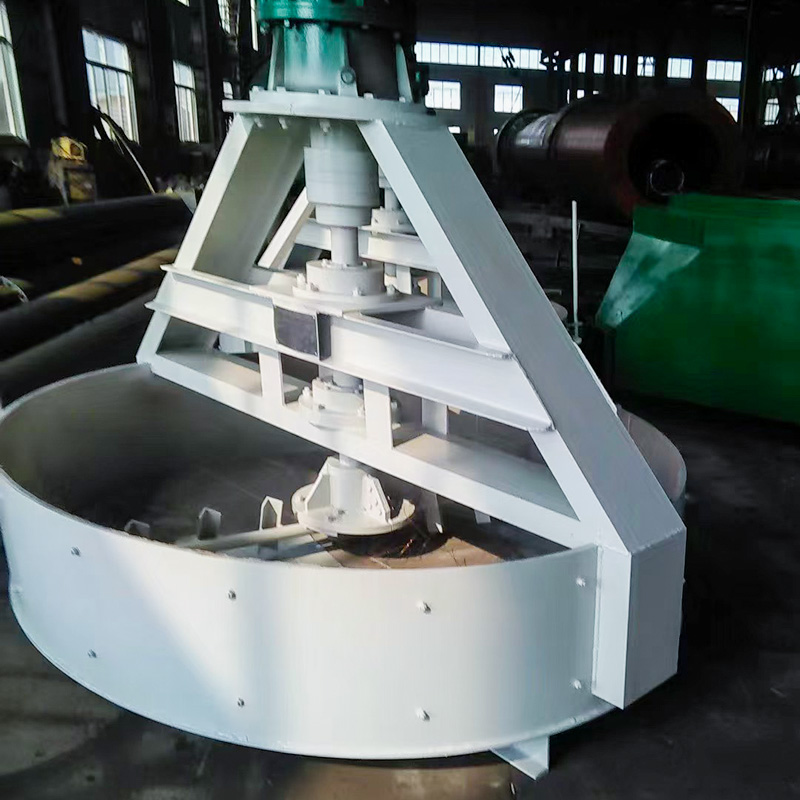
- Mixing System: Ensures uniform blending of raw powders for consistent nutrient distribution.
- Granulator: The heart of the production line; can be a rotary drum granulator, disc granulator, or new type organic-inorganic granulator.
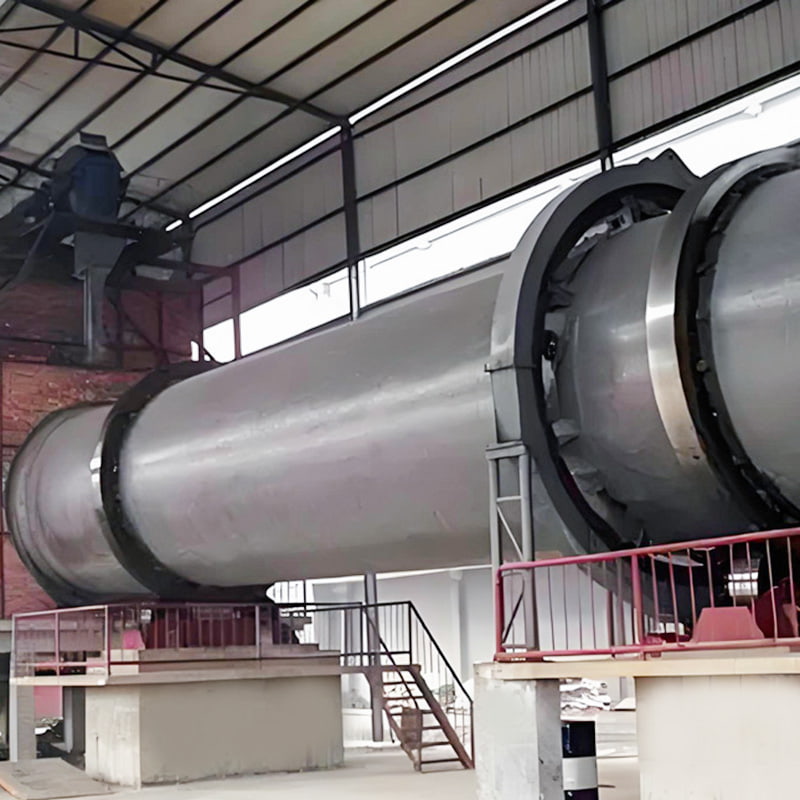
- Drying and Cooling Equipment: Rotary dryers and coolers reduce moisture content and temperature for safe handling.
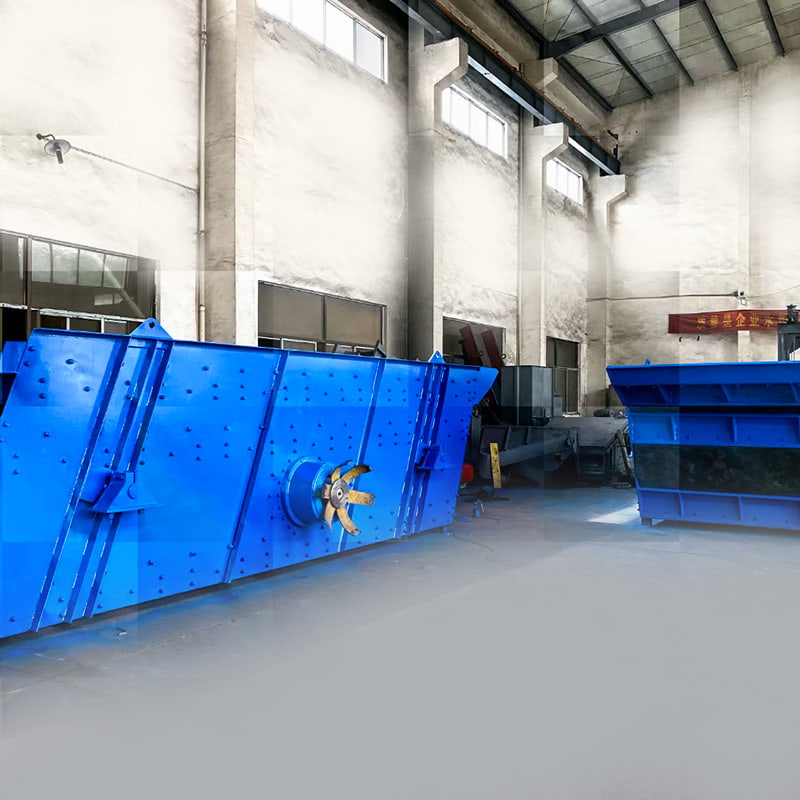
- Screening Machine: Separates fine and oversized granules, ensuring uniform particle size distribution.
- Coating and Packaging: Optional coating machines enhance granule stability, and automated packaging ensures accurate weighing and efficient dispatch.
Advantages of Using a Compound Fertilizer Production Line
Investing in a Compound Fertilizer Production Line offers multiple benefits over traditional fertilizer manufacturing methods:
- Improved Nutrient Efficiency: Balanced NPK ratios reduce nutrient loss and improve plant absorption.
- Cost Efficiency: Automated processes reduce labor costs and improve overall production efficiency.
- Environmentally Friendly: Precise nutrient control minimizes excess application, reducing environmental pollution.
- Customizable Output: Production lines can be adjusted to produce fertilizers with different nutrient ratios or specialized slow-release formulas.
- High-Quality Granules: Consistent size, uniform coating, and lower dust content improve fertilizer performance in the field.
Comparison: Compound Fertilizer vs. Single Fertilizer
| Feature | Compound Fertilizer | Single Fertilizer |
|---|---|---|
| Nutrient Content | Contains multiple nutrients (N, P, K, trace elements) | Contains only one major nutrient (e.g., urea, phosphate) |
| Application Efficiency | High, reduces multiple applications | Lower, may require multiple fertilizers |
| Cost | Higher initial cost but more efficient use | Lower cost per unit but less efficient |
| Environmental Impact | Lower if applied correctly | Higher potential for nutrient runoff |
| Crop Performance | Better growth due to balanced nutrition | May cause nutrient imbalance |
Applications of a Compound Fertilizer Production Line
Compound Fertilizer Production Lines are widely used in agriculture and related industries. Common applications include:
- Large-scale commercial farming operations producing NPK fertilizers for crops like wheat, corn, rice, and vegetables.
- Organic-inorganic compound fertilizer production to meet eco-friendly agricultural standards.
- Specialty fertilizers such as slow-release, water-soluble, or micronutrient-enriched fertilizers.
- Feed additives in animal husbandry requiring precise nutrient formulations.
Installation and Operational Tips
For optimal performance of a Compound Fertilizer Production Line, careful attention should be paid to installation and operation:
- Ensure proper foundation and layout to minimize vibrations and mechanical wear.
- Calibrate raw material feeders and mixers for consistent nutrient ratios.
- Monitor granulator speed, temperature, and moisture content for high-quality pellets.
- Regular maintenance of dryers, coolers, and screening equipment to prevent downtime.
- Implement safety protocols and operator training to maintain efficient workflow.
Frequently Asked Questions (FAQs)
1. What types of raw materials are used in a Compound Fertilizer Production Line?
Common raw materials include urea, ammonium sulfate, ammonium phosphate, potassium chloride, and various micronutrients such as magnesium, zinc, and boron. The exact mix depends on the targeted nutrient ratio for the fertilizer.
2. What is the production capacity of a typical Compound Fertilizer Production Line?
Production capacity varies widely depending on the equipment type and scale, ranging from small-scale lines producing 1–5 tons per hour to industrial lines producing 20–50 tons per hour or more.
3. Can the line produce organic or specialty fertilizers?
Yes, modern lines can produce organic-inorganic compound fertilizers, slow-release formulas, and other specialty blends by adjusting granulation methods and coating processes.
4. How does the line improve fertilizer efficiency compared to traditional methods?
The automated mixing, granulation, and coating ensure uniform nutrient distribution, reduce wastage, and improve nutrient uptake by crops, unlike manually blended single fertilizers.
5. What are the main maintenance considerations?
Key considerations include regular inspection of moving parts, lubrication of motors and bearings, cleaning of mixers and granulators, and checking the calibration of feeders to maintain consistent output quality.
Conclusion
A Compound Fertilizer Production Line is a vital investment for modern agriculture, providing high-efficiency, balanced fertilizers that improve crop yield and nutrient management. Its automation, flexibility, and environmental advantages make it a preferred choice for commercial fertilizer production, ensuring consistent quality and operational efficiency across various farming and industrial applications.

GET IN
TOUCH WITH US
TOUCH WITH US
-
 No.68, Shuanglou Road, Qutang Town, Haian City, Nantong, Jiangsu
 -
Tel:
 +86-13914355558/18994158908
 -
E-mail:
 sales@tp-machinery.com
COPYRIGHT © 2025 Nantong Alisen Environmental Protection Technology Co., Ltd.
ALL RIGHTS RESERVED.
China fertilizer machinery manufacturer wholesale fertilizer machinery factory
