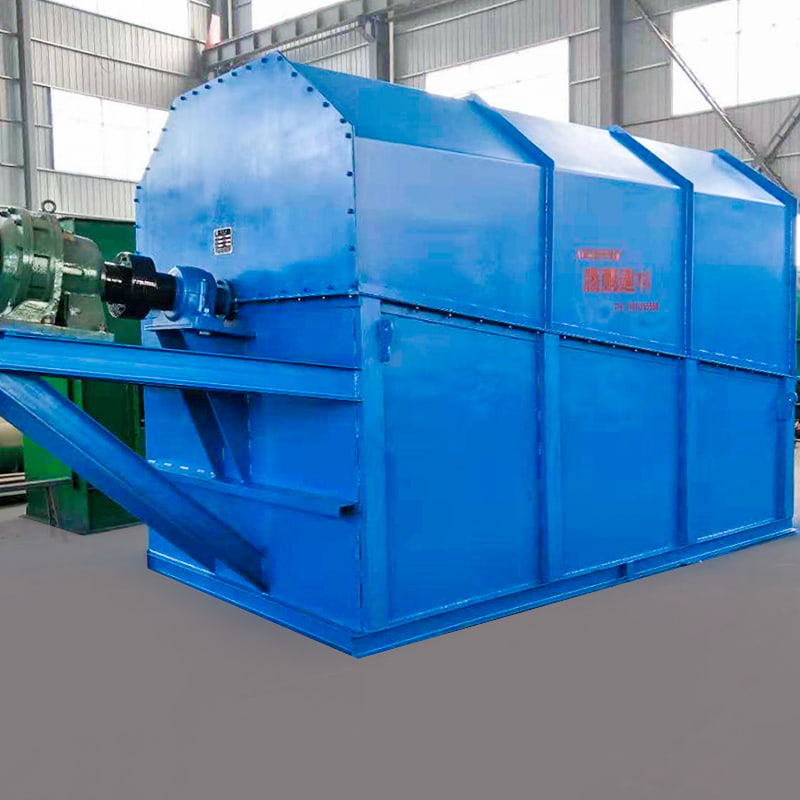
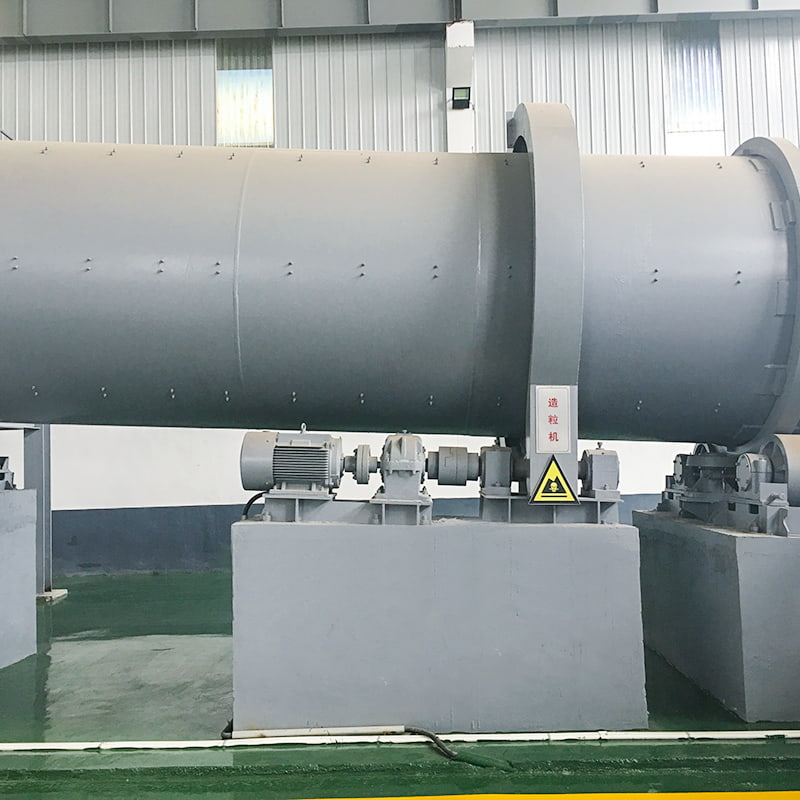
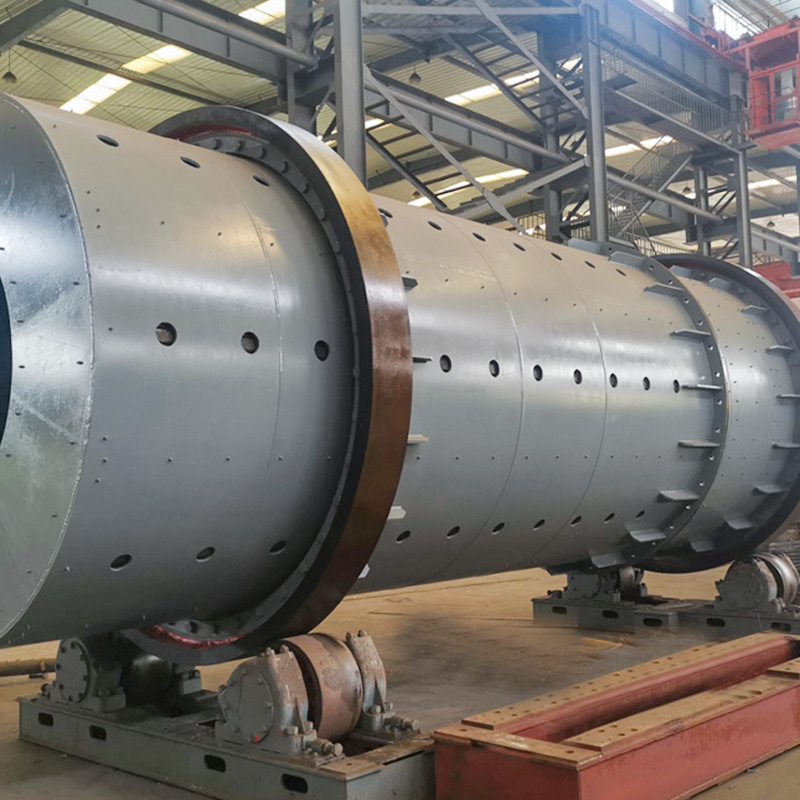
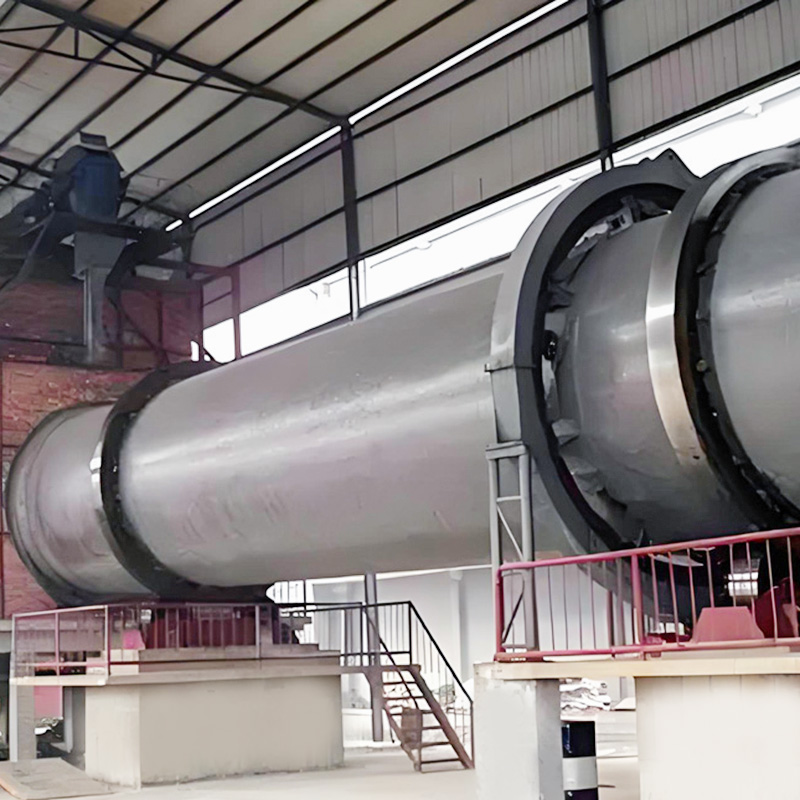
A drum screen (also known as a sieving machine) is a device that classifies materials based on particle size. Due to its simple process setup, it is commonly used for grading and screening medium- and fine-grained materials to improve material quality. Depending on the grading requirements, drum screens are typically arranged in multiple sections, from fine to coarse. The drum is tilted and enclosed by a dust-proof, sealed cover, ensuring virtually zero dust and noise pollution during production. It is widely used in the grading of products in industries such as mining, building materials, highways, power generation, chemicals, refractories, sand and stone, and for selecting sticky wet materials such as coal, coke, lime, and gold ore, ensuring a more uniform product structure to meet production needs. Applications:
Screening gravel in quarries, separating sand and gravel, and initial separation and cleaning of gold placers; separating lump coal from pulverized coal in the coal industry; separating large and small lumps from powdered materials in the chemical and mineral processing industries; and separating large wood from sawdust in power plants.
Applicable Materials
Pebbles, garnet, barite, chromium ore, gold placers, wood, sawdust, etc.
Operating Principle
A shaftless drum screen primarily consists of a motor, reducer, drum unit, frame, sealing cover, and inlet and outlet ports. The drum unit is mounted obliquely on the frame. The motor is connected to the drum unit via a coupling via the reducer, driving the drum unit to rotate around its axis. Once material enters the drum unit, the tilt and rotation of the drum unit causes the material on the screen surface to flip and tumble, allowing qualified material (undersize product) to be discharged through the screen mesh on the outer diameter of the drum, while unqualified material (oversize product) is discharged through the drum's outer diameter. As the material tumbles and rolls within the drum, any material stuck in the screen holes is ejected, preventing blockage.
Drum Screen Features
1. Screen holes are less likely to clog.
2. Smooth operation and low noise.
3. Simple structure and easy maintenance.
4. The screening drum can be sealed, allowing for easy, sealed dust collection.
5. High overall reliability and low initial investment.
6. Utilizes a specially designed screen for high screening efficiency and long service life.
7. High screening efficiency, capable of screening materials between 2 and 80 mm, and simultaneously screening materials from grades 1 to 5.
8. Screens can be replaced with various mesh sizes at any time to meet screening needs, allowing for multiple uses.

 En
En
 English
  Français
  русский
  中文简体
中文简体  عربى
عربى  Español