
 En
En
 English
  Français
  русский
  中文简体
中文简体  عربى
عربى  Español
alisen
alisen
alisen
alisen
alisen
alisen
alisen
alisen
alisen
alisen
alisen
alisen
Industry News
Compound Fertilizer Production Line: How Does the Manufacturing Process Work?

As global agriculture moves toward higher efficiency and sustainability, the Compound Fertilizer Production Line has become a core technology supporting modern crop nutrition. From large-scale agribusinesses to regional fertilizer plants, compound fertilizer production systems are transforming how balanced nutrients reach farms worldwide. Understanding how the manufacturing process works is increasingly important for investors, engineers, distributors, and agricultural decision-makers.
Understanding Compound Fertilizer and Its Market Value
Compound fertilizer, also referred to as complex fertilizer, contains two or more essential nutrients such as nitrogen (N), phosphorus (P), and potassium (K). Unlike single-nutrient fertilizers, compound fertilizers provide a balanced nutrient supply in a single granule, improving nutrient efficiency and reducing application costs.
Why Compound Fertilizers Are in High Demand
- Improved nutrient balance for crops
- Lower transportation and storage costs
- Better control over soil fertility
- Higher crop yields and improved crop quality
- Reduced labor and application frequency
With precision farming becoming mainstream, the Compound Fertilizer Production Line plays a decisive role in ensuring consistent granule size, nutrient distribution, and moisture control.
Overview of a Compound Fertilizer Production Line
A Compound Fertilizer Production Line is an integrated system that converts raw materials into uniform fertilizer granules through a combination of batching, mixing, granulation, drying, cooling, screening, and packaging. The production scale can range from small-capacity plants producing 5,000 tons per year to large industrial lines exceeding 300,000 tons annually.
Core System Sections
- Raw material storage and dosing system
- Crushing and mixing unit
- Granulation system
- Drying and cooling system
- Screening and recycling system
- Coating and packaging system
- Dust collection and environmental protection system
Step-by-Step Manufacturing Process of Compound Fertilizer
1. Raw Material Preparation
The first stage in the Compound Fertilizer Production Line involves selecting and preparing raw materials. Common materials include:
- Urea
- Ammonium sulfate
- Ammonium chloride
- Monoammonium phosphate (MAP)
- Diammonium phosphate (DAP)
- Potassium chloride (MOP)
- Potassium sulfate (SOP)
Solid materials are crushed into fine powders to ensure uniform mixing and improve granulation efficiency.
2. Automatic Batching and Weighing
Precise nutrient ratios are achieved through an automatic batching system. Each raw material is weighed according to the fertilizer formula. This stage determines the final nutrient accuracy and consistency.
3. Mixing Process
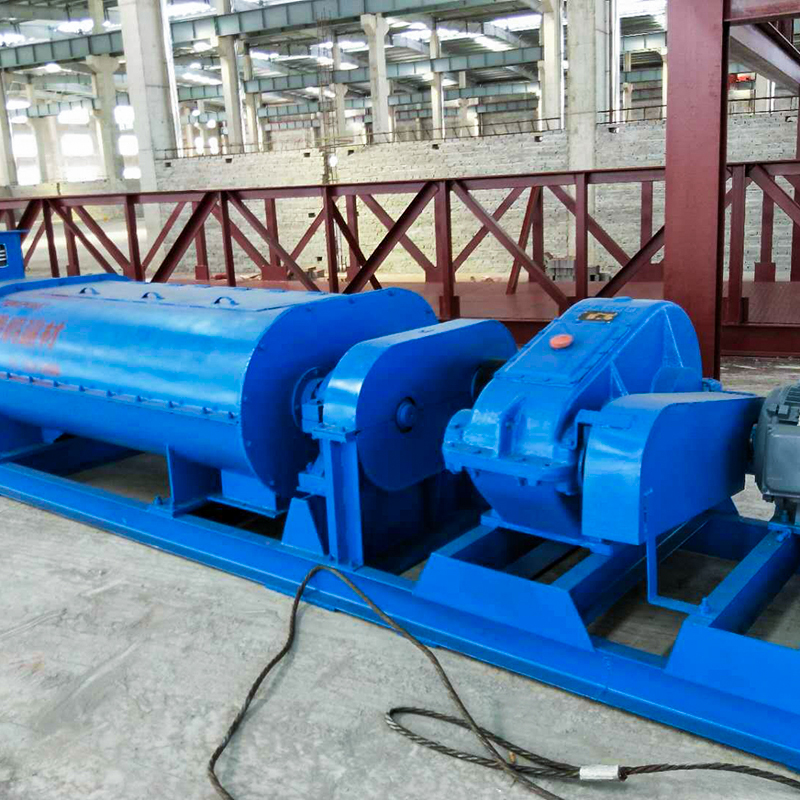
After batching, materials enter a high-efficiency mixer. The goal is to achieve complete uniformity before granulation. High-speed paddle mixers or twin-shaft mixers are commonly used in modern Compound Fertilizer Production Line installations.
4. Granulation Technology
Granulation is the heart of the production process. Several granulation methods are widely used:
- Rotary drum granulation
- Disc pan granulation
- Extrusion granulation
- High-tower melt granulation
Among them, rotary drum granulation is the most popular due to its high output capacity and stable granule strength.
5. Drying Stage
Freshly formed fertilizer granules contain excess moisture. A rotary dryer reduces moisture levels to enhance storage stability and prevent caking. Hot air from fuel burners or waste heat recovery systems is commonly used.
6. Cooling Process
After drying, granules must be cooled to ambient temperature. Cooling improves mechanical strength and ensures safe packaging. Rotary coolers and counterflow coolers are standard modules in a Compound Fertilizer Production Line.
7. Screening and Particle Size Classification
Vibrating screens separate qualified granules from oversized and undersized ones. Unqualified particles are returned to the crushing system and reused, minimizing raw material waste.
8. Surface Coating for Anti-Caking
Many producers apply anti-caking agents during the coating stage. This treatment significantly improves storage performance, especially in humid environments.
9. Automatic Weighing and Packaging
Finished granules enter automatic packing machines for weighing, bagging, and sealing. Common package sizes include 10 kg, 25 kg, 40 kg, and 50 kg.
Key Equipment Used in a Compound Fertilizer Production Line
Crushers
Cage crushers, hammer mills, and chain crushers are used to reduce raw materials to required particle size.
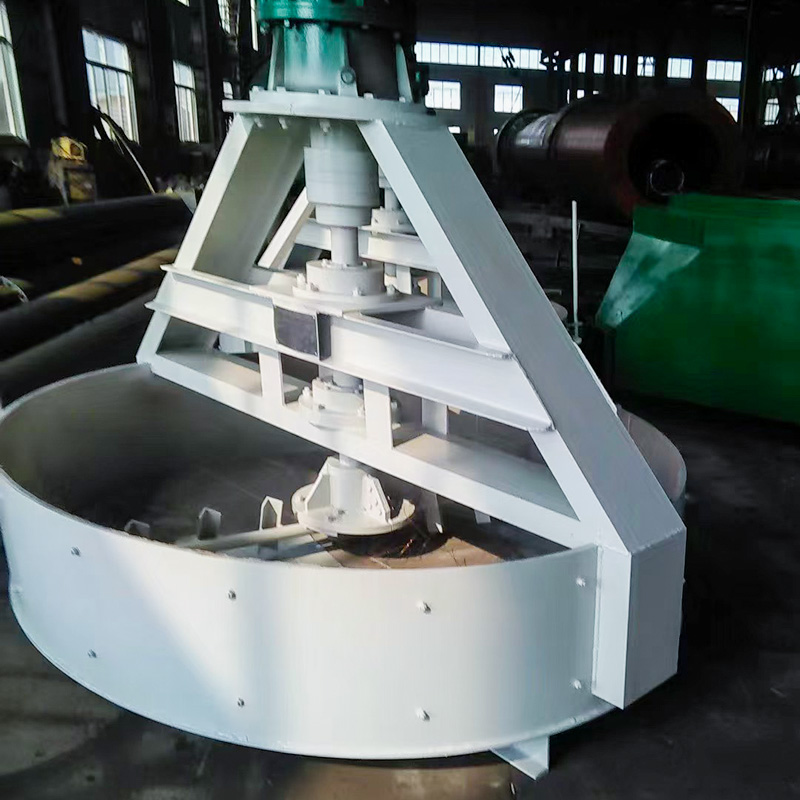
Mixers
Double-shaft paddle mixers ensure uniform blending with minimal dead zones.
Granulators
Rotary drum granulators remain the core equipment for medium and large plants due to their stability and durability.
Dryers and Coolers
Rotary drying and cooling equipment ensure moisture control and particle integrity.
Screening Machines
Multi-layer vibrating screens separate granules efficiently and continuously.
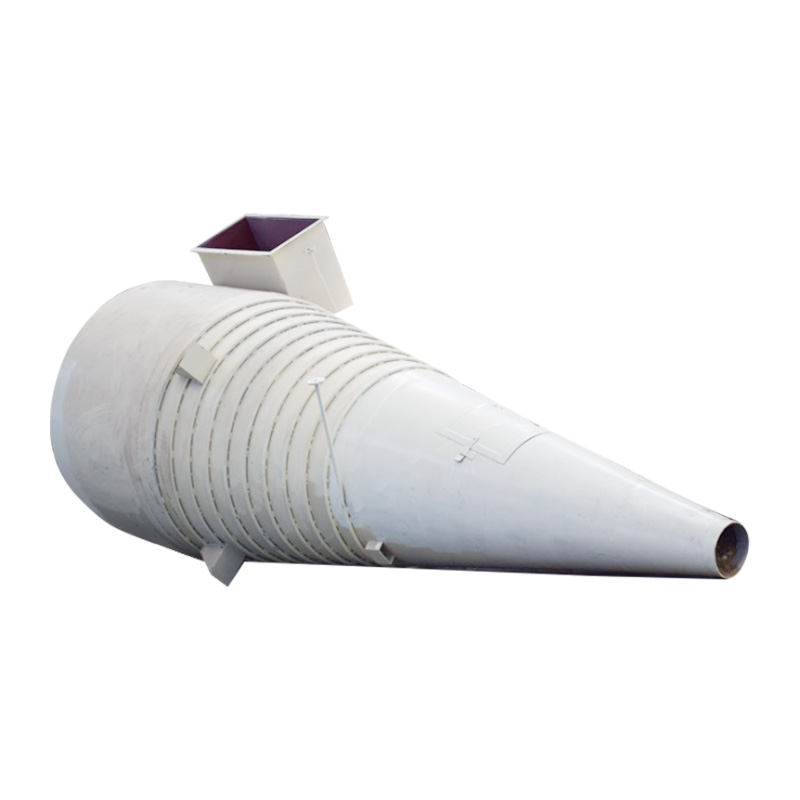
Dust Removal Systems
Pulse dust collectors and cyclone separators protect air quality and meet environmental regulations.
Environmental Protection in Modern Production Lines
Environmental compliance is now a critical requirement for every Compound Fertilizer Production Line. Advanced systems focus on:
- Dust control and filtration
- Waste heat recovery
- Noise reduction
- Wastewater recycling
- Emission monitoring
These measures allow fertilizer plants to meet stricter environmental standards while reducing operational costs.
Fully Automated vs Semi-Automated Production Lines
Fully Automated Systems
- PLC centralized control
- Real-time data monitoring
- Minimal manpower requirement
- High production stability
Semi-Automated Systems
- Lower initial investment
- Suitable for small and medium enterprises
- Flexible production control
Quality Control in Compound Fertilizer Manufacturing
Strict quality control is integrated throughout the Compound Fertilizer Production Line. It includes:
- Raw material inspection
- Moisture content control
- Granule strength testing
- Particle size distribution analysis
- Nutrient composition verification
Global Market Outlook for Compound Fertilizer Production Lines
Driven by population growth, food security concerns, and agricultural modernization, global demand for compound fertilizers continues to rise. Asia-Pacific remains the largest production and consumption region, while Africa and South America show strong growth potential.
Investments in high-efficiency Compound Fertilizer Production Line systems are expanding rapidly, especially in developing economies focusing on agricultural self-sufficiency.
Future Trends in Compound Fertilizer Production Technology
- Smart factories and digital monitoring
- Energy-efficient drying technology
- Customized fertilizer formulations for precision agriculture
- Carbon emission reduction strategies
- Water-soluble compound fertilizer processing
Frequently Asked Questions (FAQ)
What is the typical production capacity of a compound fertilizer production line?
Production capacity ranges from 5,000 tons per year for small systems to over 300,000 tons per year for industrial-scale plants.
Which granulation method is most widely used?
Rotary drum granulation is the most common due to its high output, stable performance, and adaptability to different formulas.
How long does it take to install a complete production line?
Installation usually takes 30 to 90 days depending on production scale and site conditions.
Can one production line manufacture different fertilizer formulas?
Yes. Modern Compound Fertilizer Production Line systems allow flexible formula adjustments through automated batching systems.
What is the service life of major equipment?
With proper maintenance, core equipment such as granulators and dryers can operate reliably for 10 to 20 years.
Is environmental compliance difficult to achieve?
With proper dust collection, waste heat recovery, and wastewater treatment, modern production lines can easily meet environmental regulations.
Conclusion: The Backbone of Modern Fertilizer Manufacturing
The Compound Fertilizer Production Line is a highly integrated, technology-driven system that supports the global agricultural supply chain. From raw material handling to automated packaging, every stage plays a vital role in ensuring consistent product quality, environmental compliance, and economic efficiency.
As agricultural demand continues to rise and sustainability becomes a global priority, advanced compound fertilizer production lines will remain the cornerstone of modern fertilizer manufacturing and global food security.



GET IN
TOUCH WITH US
TOUCH WITH US
-
 No.68, Shuanglou Road, Qutang Town, Haian City, Nantong, Jiangsu
 -
Tel:
 +86-13914355558/18994158908
 -
E-mail:
 sales@tp-machinery.com
COPYRIGHT © 2025 Nantong Alisen Environmental Protection Technology Co., Ltd.
ALL RIGHTS RESERVED.
China fertilizer machinery manufacturer wholesale fertilizer machinery factory
