
 En
En
 English
  Français
  русский
  中文简体
中文简体  عربى
عربى  Español
alisen
alisen
alisen
alisen
alisen
alisen
alisen
alisen
alisen
alisen
alisen
alisen
Industry News
How can we ensure fertilizer particle uniformity through the Compound Fertilizer Production Line?

The Compound Fertilizer Production Line plays a pivotal role in modern agriculture by ensuring that fertilizers are produced with consistent quality and granule size. Uniform fertilizer granules not only improve the efficiency of nutrient absorption by crops but also enhance the overall application performance. Understanding how to maintain granule uniformity is essential for fertilizer manufacturers aiming for high-quality output.
Key Components of a Compound Fertilizer Production Line
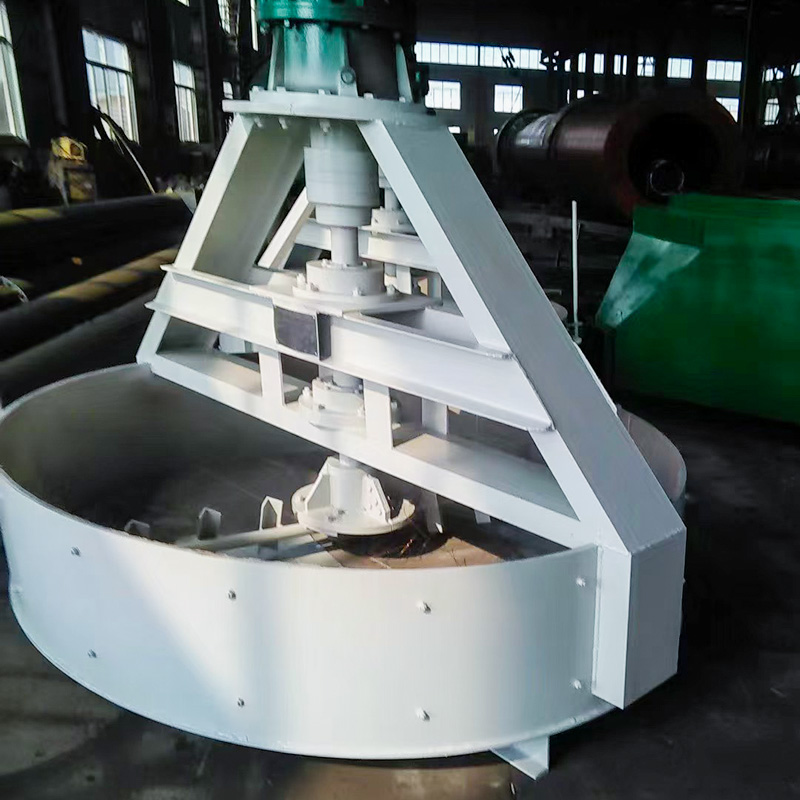
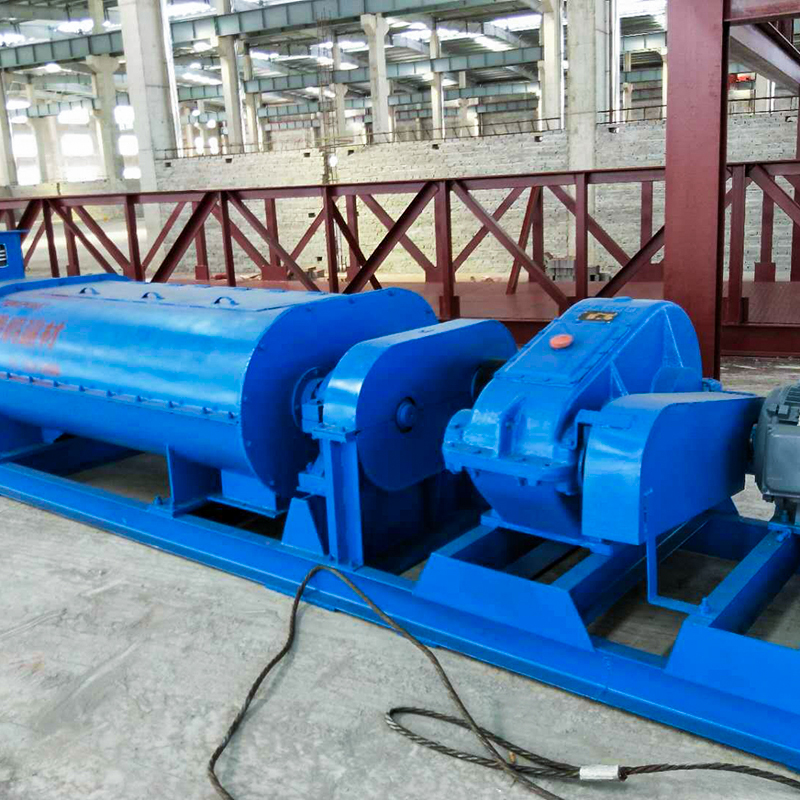
A well-designed Compound Fertilizer Production Line typically consists of several core components, each contributing to granule uniformity:
- Raw Material Mixing System: Ensures thorough blending of nutrients to avoid uneven distribution.
- Granulation Equipment: Converts mixed raw materials into granules, with rotary drum granulators and disc granulators being the most common.
- Drying and Cooling Units: Reduce moisture content and stabilize granules to prevent deformation.
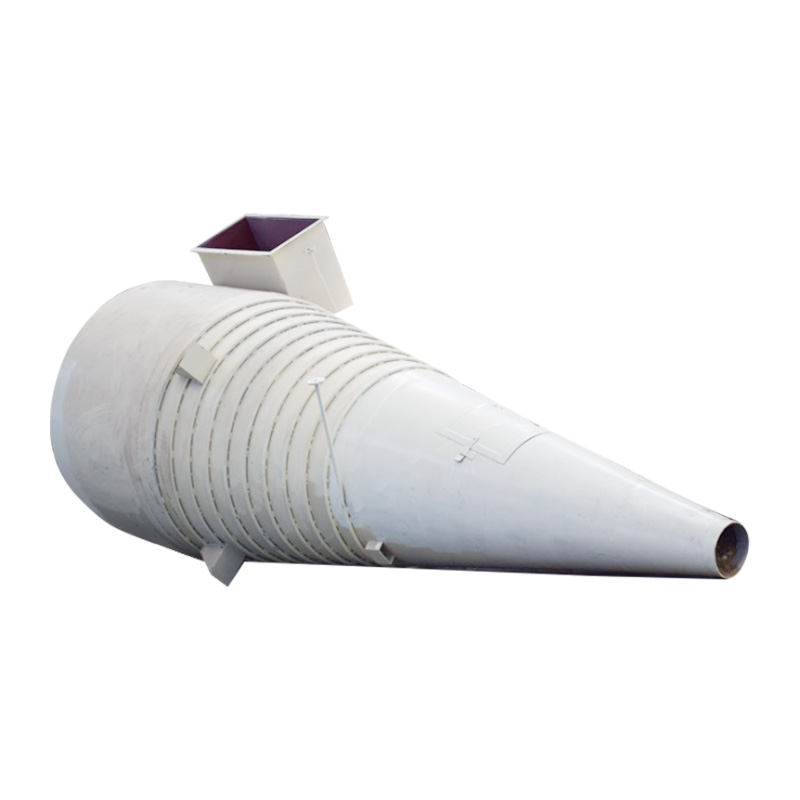
- Screening Machines: Separate granules by size, ensuring only uniform particles proceed to packaging.
- Coating Equipment: Enhances granule appearance, reduces dust, and prevents clumping.
Factors Affecting Fertilizer Granule Uniformity
Several factors directly influence the uniformity of fertilizer granules in a Compound Fertilizer Production Line:
1. Raw Material Quality
Impurities and inconsistent particle sizes in raw materials can lead to uneven granules. High-quality, pre-screened raw materials ensure smooth granulation and consistent nutrient distribution.
2. Granulation Process
The type of granulator, its speed, and the moisture content of the mixture play a decisive role in granule uniformity. For example:
- Rotary Drum Granulators: Offer high output but require precise moisture control to avoid oversized or fragile granules.
- Disc Granulators: Provide better granule shape control but lower production capacity.
3. Drying and Cooling Efficiency
Uneven drying can cause granules to break or deform. Proper airflow, temperature, and retention time in dryers and coolers are crucial to maintain consistent granule integrity.
4. Screening Accuracy
Efficient sieving ensures that only uniform granules are collected. Oversized particles can be crushed and recycled, while undersized particles can be returned to the granulator for reprocessing.
Comparing Compound Fertilizer Production Lines
Different Compound Fertilizer Production Lines vary in design, efficiency, and output quality. Comparing these systems can highlight advantages for granule uniformity:
| Production Line Type | Granule Uniformity | Production Capacity | Operational Cost |
|---|---|---|---|
| Rotary Drum Line | High, requires strict moisture control | High | Moderate |
| Disc Granulator Line | Very High, better granule shape | Medium | Moderate |
| Flat Die Extrusion Line | Medium, suitable for specialized fertilizers | Low to Medium | Low |
Choosing the appropriate production line depends on the balance between granule uniformity, production demand, and operational cost. For high-quality compound fertilizers with strict uniformity requirements, disc granulator lines are often preferred despite their lower capacity.
Best Practices to Maintain Granule Uniformity
- Regular Equipment Maintenance: Worn granulators or screening machines can reduce uniformity.
- Consistent Raw Material Supply: Avoid mixing batches with differing particle sizes.
- Accurate Moisture Control: Monitor water addition during granulation to ensure optimal granule formation.
- Process Monitoring: Use sensors and control systems to detect irregularities in real-time.
- Recycling Oversized or Undersized Granules: Ensures minimal waste and uniform final product.
Frequently Asked Questions (FAQ)
Q1: How does granule size affect fertilizer effectiveness?
Uniform granule size ensures even nutrient release, better soil coverage, and reduced fertilizer loss. Irregular granules may dissolve too quickly or unevenly, affecting crop growth.
Q2: Can all types of fertilizers be produced in a Compound Fertilizer Production Line?
Most nitrogen-phosphorus-potassium (NPK) fertilizers, as well as specialty blends, can be produced. However, raw material characteristics and granulator type influence the suitability of the line.
Q3: How often should screening machines be checked?
Screening machines should be inspected daily for wear and blockage. Proper maintenance ensures consistent granule separation and prevents contamination of oversized or undersized particles.
Q4: What is the impact of moisture on granule formation?
Too much moisture leads to clumping and irregular shapes, while too little prevents proper granule formation. Maintaining optimal moisture during granulation is critical for uniform granules.
Conclusion
A Compound Fertilizer Production Line ensures that fertilizers meet modern agricultural standards by producing granules of consistent size and quality. Through careful selection of equipment, rigorous process control, and regular maintenance, manufacturers can achieve high granule uniformity. Investing in an optimized production line not only improves fertilizer performance but also reduces waste and operational costs, ultimately supporting sustainable agricultural growth.



GET IN
TOUCH WITH US
TOUCH WITH US
-
 No.68, Shuanglou Road, Qutang Town, Haian City, Nantong, Jiangsu
 -
Tel:
 +86-13914355558/18994158908
 -
E-mail:
 sales@tp-machinery.com
COPYRIGHT © 2025 Nantong Alisen Environmental Protection Technology Co., Ltd.
ALL RIGHTS RESERVED.
China fertilizer machinery manufacturer wholesale fertilizer machinery factory
