
 En
En
 English
  Français
  русский
  中文简体
中文简体  عربى
عربى  Español
alisen
alisen
alisen
alisen
alisen
alisen
alisen
alisen
alisen
alisen
alisen
alisen
Industry News
How Much Does an Industrial Ball Mill Cost in 2026? Market Prices, Specs & Buyer's Guide

In 2026, the market price of an industrial ball mill ranges from approximately $5,000 for small laboratory-scale units to over $3,000,000 for large-capacity mining-grade mills — with the most commonly purchased mid-range models (10–50 ton capacity) priced between $80,000 and $500,000. The exact cost depends on a cluster of factors: mill capacity (tons per hour), drum volume (cubic meters), motor power (kW), liner material, discharge type, and whether the unit is new, refurbished, or sourced from a domestic or overseas manufacturer.
This guide provides a comprehensive breakdown of 2026 ball mill prices by size tier, explains the key cost drivers, compares procurement options, and gives buyers a realistic framework for budgeting — from the purchase price through installation and ongoing operating costs.
What Is an Industrial Ball Mill and Why Does Price Vary So Widely?
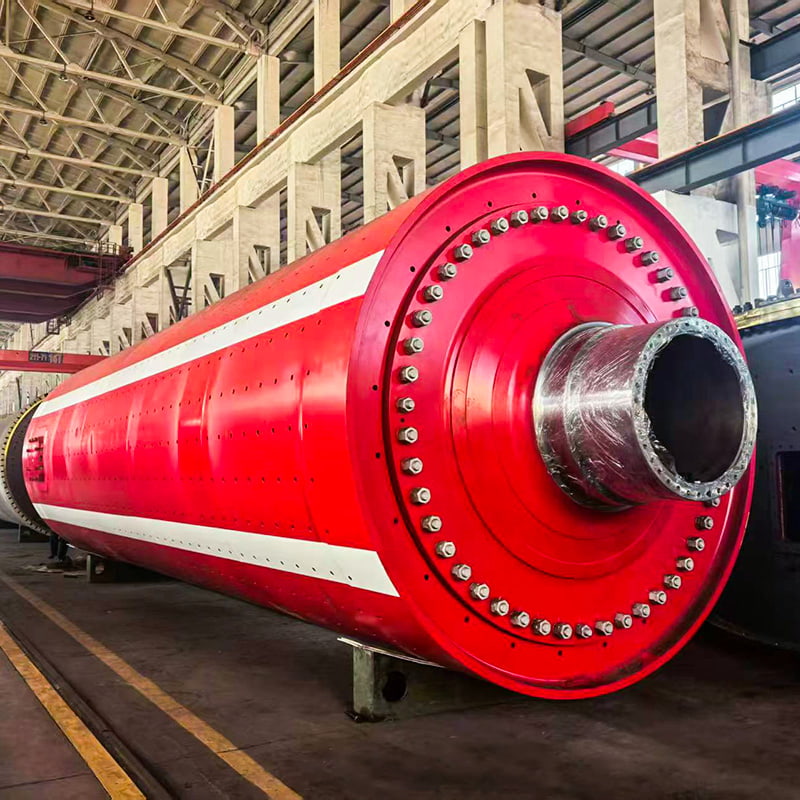
An industrial ball mill is a rotating cylindrical grinding vessel filled with steel or ceramic balls that crush and grind raw materials into fine powder — the price varies by more than 600× across the market because the machines range from bench-top laboratory units to stadium-sized mining installations.
Ball mills are used across a broad range of industries: mining and mineral processing (gold, copper, iron ore), cement production, ceramics and glass manufacturing, chemical processing, pharmaceuticals, and energy materials such as lithium battery electrode materials. Each application demands a different size, speed, liner type, and output fineness — all of which directly affect cost.
The three broadest price tiers in 2026 are:
- Laboratory / small-scale ball mills: $5,000 – $30,000
- Mid-range industrial ball mills: $30,000 – $500,000
- Large-scale mining / cement ball mills: $500,000 – $3,500,000+
These ranges reflect equipment only — they do not include freight, customs, foundation work, electrical installation, or commissioning, which can add 15–40% to the total project cost for large units.
2026 Industrial Ball Mill Price by Capacity — Complete Market Reference
Capacity — measured in tons per hour (t/h) of processed material — is the single most reliable predictor of ball mill price. The table below covers the full market spectrum from laboratory scale to large mining installations, with approximate 2026 FOB price ranges from both Chinese and Western manufacturers.
| Capacity / Scale | Drum Volume | Motor Power | Price (Chinese MFR) | Price (Western MFR) | Typical Use |
| Lab (0.1–1 t/h) | 0.05–0.5 m³ | 1.5–15 kW | $5,000–$18,000 | $15,000–$30,000 | R&D, pharma, ceramics |
| Small (1–5 t/h) | 0.5–3 m³ | 15–55 kW | $18,000–$60,000 | $50,000–$120,000 | Small mining, cement |
| Medium (5–20 t/h) | 3–15 m³ | 55–250 kW | $60,000–$200,000 | $150,000–$400,000 | Mid-scale mineral processing |
| Large (20–80 t/h) | 15–60 m³ | 250–1,500 kW | $200,000–$700,000 | $500,000–$1,200,000 | Gold, copper, iron ore |
| Mining-Grade (80–200+ t/h) | 60–200+ m³ | 1,500–8,000+ kW | $700,000–$1,800,000 | $1,500,000–$3,500,000+ | Large-scale mine operations |
Table: 2026 market price ranges for industrial ball mills by capacity tier, comparing Chinese and Western manufacturers. Prices are approximate FOB (Free on Board) and exclude freight, installation, and commissioning costs.
Key Factors That Determine Industrial Ball Mill Price in 2026
Beyond capacity, at least seven additional technical and commercial variables independently affect what you will pay for an industrial ball mill in 2026. Understanding each allows buyers to make targeted trade-offs rather than simply accepting the first quoted price.
1. Mill Type: Overflow vs. Grate Discharge
Grate discharge ball mills cost approximately 15–25% more than overflow discharge mills of equivalent capacity because they include an internal grate plate assembly and a more complex discharge mechanism. Grate mills offer higher throughput and are preferred for coarser grind products; overflow mills are simpler, cheaper, and better suited to fine grinding applications.
2. Liner Material
Liner selection adds $8,000 to $150,000+ to the base price depending on material and mill size. Manganese steel liners (the most common) are the most affordable but wear faster in highly abrasive applications. High-chrome cast iron liners last 40–60% longer but cost 30–50% more. Rubber liners, used in non-abrasive or wet grinding applications, are mid-priced but reduce noise levels significantly. Ceramic liners are used in pharmaceutical and food-grade applications and carry the highest cost premium.
3. Drive System: Girth Gear vs. Central Drive vs. Wrap-Around Motor
The drive system is one of the largest single cost variables in large ball mills, with wrap-around (gearless) motor drives adding $300,000–$800,000 over a conventional girth gear system. Standard girth gear drives are the most common and cost-effective. Central drives (using a reducer gearbox) add mechanical complexity but offer easier maintenance. Gearless drives — also called wrap-around or ring motor drives — are used only in the largest mills and eliminate mechanical transmission losses entirely, improving energy efficiency by 3–5%.
4. Country of Manufacture
Chinese-manufactured ball mills are typically priced 40–65% lower than equivalent units from European or North American manufacturers, though the gap has narrowed in the last three years as Chinese manufacturers have improved quality standards and obtained international certifications (CE, ISO 9001). For buyers in Africa, Southeast Asia, and South America, Chinese sourcing with proper quality vetting often represents the optimal value proposition. Western-made mills justify their premium through longer warranty periods (typically 24–36 months vs. 12 months), local service networks, and higher-grade steel specifications.
5. Automation and Control Systems
Adding a PLC-based automated control system to an industrial ball mill adds $15,000–$80,000 to the purchase price but can reduce operating labor costs by 30–50% and optimize energy efficiency. Basic mills include only manual controls and a motor starter. Mid-tier units include variable frequency drives (VFDs) on the motor, which allow speed optimization and soft-start capability. Top-tier configurations integrate full process control with real-time monitoring, predictive maintenance sensors, and remote access capability.
6. New vs. Refurbished
Professionally refurbished industrial ball mills are available at 35–55% of the new price, making them an attractive option for operations with tight capital budgets. A reputable refurbisher will replace liners, bearings, seals, and gear teeth, and re-coat the drum shell. However, buyers should request full inspection reports, remaining shell wall thickness measurements, and ideally an in-person or video inspection before purchase. Warranty terms on refurbished units are typically limited to 6–12 months.
7. Steel and Raw Material Costs in 2026
Global steel prices in 2026 remain elevated relative to the 2019–2021 baseline, adding an estimated 8–14% to ball mill manufacturing costs compared to pre-2022 levels. Hot-rolled steel coil prices, the primary input material for mill shells and liners, have fluctuated between $600–$850 per metric ton in early 2026, keeping pressure on equipment prices across all tiers. Buyers procuring large units should consider locking in quotes with fixed-price validity periods of 30–60 days.
Total Cost of Ownership: What You Pay Beyond the Purchase Price
The purchase price of an industrial ball mill typically represents only 50–70% of the total cost of ownership over a 10-year operating life — installation, energy, grinding media, liners, and maintenance collectively exceed the equipment cost for high-utilization operations.
| Cost Category | Small Mill (5 t/h) | Medium Mill (20 t/h) | Large Mill (80 t/h) | Notes |
| Equipment (FOB) | $40,000–$60,000 | $120,000–$200,000 | $500,000–$900,000 | Chinese MFR pricing |
| Freight & Import | $3,000–$8,000 | $10,000–$25,000 | $40,000–$100,000 | Varies by destination |
| Foundation & Installation | $5,000–$15,000 | $20,000–$60,000 | $80,000–$250,000 | Concrete, electrical, civil |
| Annual Energy Cost | $15,000–$30,000 | $60,000–$130,000 | $300,000–$700,000 | At $0.08/kWh, 6,000 hr/yr |
| Annual Grinding Media | $8,000–$20,000 | $30,000–$80,000 | $150,000–$400,000 | Steel balls replaced annually |
| Annual Liner Replacement | $3,000–$10,000 | $15,000–$40,000 | $60,000–$200,000 | Every 12–24 months typically |
| Annual Maintenance Labor | $5,000–$12,000 | $15,000–$35,000 | $50,000–$150,000 | Bearings, seals, gears |
Table: Estimated total cost breakdown for industrial ball mills across three capacity tiers, covering purchase price plus major ongoing operating cost categories over a typical annual operating period.
Where to Buy an Industrial Ball Mill in 2026 — Procurement Options Compared
Buyers in 2026 have four primary procurement channels for industrial ball mills, each with distinct advantages in price, lead time, risk, and after-sale support.
Direct from Chinese Manufacturer (FOB China)
Sourcing directly from a Chinese manufacturer offers the lowest unit price — typically 40–60% below Western equivalent — but requires careful due diligence on quality, certifications, and after-sale support. Lead times range from 45 to 120 days depending on size. Recommended verification steps include factory audits (in-person or via third-party inspection agency), review of material certifications, and reference checks with existing international customers. Payment terms commonly offered are 30% deposit, 70% against bill of lading.
Through a Local Distributor or Agent
Regional distributors add 15–30% to the manufacturer's price but provide local technical support, faster spare parts availability, and reduced import complexity. This is the preferred channel for buyers without in-house expertise in international procurement or those requiring rapid on-site service response. Lead times are typically shorter than direct import because distributors hold inventory of common sizes.
Second-Hand / Auction Market
Industrial auction platforms and equipment resellers list used ball mills at 20–50% of new price, but condition varies enormously and buyers must budget for refurbishment costs that may offset much of the apparent saving. Shell thickness measurement (using ultrasonic testing), bearing inspection, and a review of the machine's operating history are non-negotiable before any used purchase. For operations with internal mechanical expertise, this channel can offer excellent value. For operations without, it carries significant risk.
Turnkey / EPC Contract
For complete mineral processing plant installations, an EPC (Engineering, Procurement, Construction) contract bundles the ball mill with all ancillary equipment, civil works, and commissioning — at a premium of 25–45% over equipment-only pricing, but with a single point of accountability. This is the preferred route for greenfield mine developments or large plant expansions where the buyer lacks in-house project management expertise.
How 2026 Market Conditions Are Affecting Ball Mill Prices
Three macro trends are exerting upward pressure on industrial ball mill prices in 2026: persistent steel cost inflation, surging demand from the battery materials sector, and supply chain restructuring driven by trade policy changes.
- Battery materials boom: Demand for fine-ground lithium, graphite, and cathode materials has driven a 35–50% increase in orders for medium-scale ball mills (5–30 t/h) from battery material producers in China, South Korea, and the United States since 2023. Lead times for this size class have extended from 60 to 90–120 days at many Chinese manufacturers.
- Steel input costs: Chinese hot-rolled steel plate — the primary material in mill shells — remains approximately 12% more expensive in early 2026 than the 2019 baseline, sustaining pressure on manufacturing costs that is being partially passed through to buyers.
- Trade tariff uncertainty: Ongoing tariff adjustments on Chinese industrial equipment imports in the United States and European Union have pushed some North American and European buyers toward sourcing from Indian or South African manufacturers, where prices are 10–25% above Chinese pricing but below Western European levels.
- Mining sector recovery: A broadly recovering global mining capital expenditure cycle in 2025–2026, driven by copper, gold, and critical minerals demand, has tightened the market for large-scale ball mills (80+ t/h), with some manufacturers reporting order books extending 8–14 months forward.
Frequently Asked Questions — Industrial Ball Mill Prices 2026
Q: What is the minimum budget needed to buy a functional industrial ball mill in 2026?
For a new, production-capable unit (not laboratory scale), the practical minimum budget in 2026 is approximately $20,000–$30,000 for a small-capacity mill (around 1–2 t/h) from a Chinese manufacturer. However, buyers should budget an additional $8,000–$15,000 for freight, import duties, and basic installation, bringing the true all-in minimum closer to $30,000–$45,000.
Q: How does a ball mill price compare to a SAG mill of equivalent throughput?
SAG (Semi-Autogenous Grinding) mills of equivalent throughput capacity are typically priced 60–120% higher than ball mills due to their larger drum diameter, heavier shell construction, and more complex drive systems. Ball mills are almost always used downstream of SAG mills in large mineral processing circuits — the two are complementary, not interchangeable.
Q: How long does it take to receive a ball mill after ordering?
Lead times in 2026 vary significantly by size. Laboratory and small mills (under 3 t/h) are often available from stock or with 30–45 day lead times. Medium mills (5–20 t/h) typically require 60–90 days from order confirmation. Large and custom mills (50+ t/h) generally require 90–180 days, with some large mining orders placed 12 months in advance. Adding sea freight time of 15–45 days depending on origin and destination, buyers should plan total procurement timelines of 3–7 months for most industrial units.
Q: Is it worth buying a refurbished ball mill instead of new?
For operations with qualified mechanical engineering staff and the ability to conduct a proper pre-purchase inspection, refurbished mills can offer excellent value at 35–55% of new price. The key risks are hidden shell wear (thinning of the drum wall), bearing wear, and gear damage that may not be visible without specialist testing. Always obtain ultrasonic thickness measurements of the shell at a minimum, and factor in refurbishment costs of $10,000–$80,000 depending on the condition and size of the unit.
Q: How much do grinding balls (media) cost, and how often do they need replacing?
Forged steel grinding balls are priced at $600–$1,100 per metric ton in 2026, depending on diameter, hardness grade, and supplier origin. A typical medium-scale ball mill (15 t/h) consumes approximately 300–600 grams of grinding media per ton of ore processed. At 6,000 operating hours per year and a feed rate of 15 t/h, annual media consumption is approximately 30–54 metric tons — an annual cost of $18,000–$59,000 for media alone. High-chrome cast iron balls last approximately 30–40% longer than forged steel but cost 25–35% more per ton.
Q: Can I get a price quote without visiting the manufacturer?
Yes — virtually all industrial ball mill manufacturers provide budgetary price quotes based on submitted specifications (capacity, feed material, required product fineness, available motor power, and site conditions). Detailed engineering quotations for large mills typically require a formal Request for Quotation (RFQ) document specifying all technical requirements. Online platforms and trade directories make it straightforward to obtain multiple competing quotes within 5–10 business days for most standard configurations.
Q: Are ball mill prices expected to rise or fall through the rest of 2026?
The consensus view among procurement specialists in the mining and minerals processing sector is that ball mill prices will remain stable to slightly elevated through the remainder of 2026, with steel input costs the primary upside risk. Buyers with flexibility in timing may find that ordering in Q3 2026 — when some manufacturers experience seasonal order softness — can yield 5–10% pricing concessions relative to Q1/Q2 peak demand periods.
Summary: How to Budget for an Industrial Ball Mill Purchase in 2026
The 2026 market for industrial ball mills is active, price-diverse, and increasingly influenced by demand from battery materials production and a recovering global mining sector — buyers who approach procurement with clear specifications and a realistic total-cost-of-ownership view will achieve the best outcomes.
As a practical summary for budget planning: add 20–35% to the equipment FOB price to cover freight, import, and installation for a complete landed and commissioned cost. Then model annual operating costs — energy, grinding media, liner replacement, and labor — which will typically run 40–80% of the original equipment cost per year for continuously operated production mills.
For most buyers, the decision between Chinese and Western sourcing hinges not on price alone but on after-sale service requirements, local regulatory compliance, and the availability of qualified maintenance staff. A $150,000 Chinese-made ball mill with a 12-month warranty and no local service support may cost more over a 5-year horizon than a $280,000 Western-made equivalent with comprehensive local service and a 36-month warranty — particularly if unplanned downtime carries a high cost per hour.
Request at minimum three competing quotations for any purchase, specify your technical requirements precisely, and engage an independent inspection service before final payment on any import order above $50,000. In a market as wide-ranging as industrial ball mills, informed buyers consistently achieve 10–20% better value than those who accept the first quote received.


GET IN
TOUCH WITH US
TOUCH WITH US
-
 No.68, Shuanglou Road, Qutang Town, Haian City, Nantong, Jiangsu
 -
Tel:
 +86-13914355558/18994158908
 -
E-mail:
 sales@tp-machinery.com
COPYRIGHT © 2025 Nantong Alisen Environmental Protection Technology Co., Ltd.
ALL RIGHTS RESERVED.
China fertilizer machinery manufacturer wholesale fertilizer machinery factory
