
 En
En
 English
  Français
  русский
  中文简体
中文简体  عربى
عربى  Español
alisen
alisen
alisen
alisen
alisen
alisen
alisen
alisen
alisen
alisen
alisen
alisen
Industry News
What are the Most Common Challenges When Operating an Organic Fertilizer Production Line?

Operating a high-efficiency organic fertilizer production line involves a complex balance of biological processes and mechanical precision. The most common challenges include managing moisture content, ensuring complete fermentation, preventing equipment corrosion, and maintaining consistent granule quality. Successfully navigating these hurdles is essential for producing high-quality fertilizer that meets agricultural standards and market demand.
Understanding the Core Challenges of Organic Fertilizer Production
The transition from raw organic waste to a nutrient-rich, marketable product is fraught with technical difficulties. Unlike chemical fertilizer manufacturing, an organic fertilizer production line deals with living biological materials. This introduces variables that are often difficult to control, such as microbial activity and volatile organic compounds.
1. Moisture Content Management
Moisture is perhaps the most persistent challenge. Raw materials like animal manure or food waste often arrive with moisture levels exceeding 70%. For effective granulation in an organic fertilizer production line, the moisture must typically be reduced to 30% or less.
- Drying Costs: High moisture requires extensive heat energy, raising operational expenses.
- Granulation Failure: If the material is too wet, it sticks to the machinery; if too dry, it won't form granules.
2. Fermentation and Odor Control
Incomplete fermentation leads to "secondary fermentation" in the soil, which can harm crops. Additionally, the smell of decomposing organic matter can lead to environmental compliance issues. A robust organic fertilizer production line must incorporate efficient compost turners and deodorization systems.
Comparative Analysis: Traditional vs. Modern Production Lines
To understand the evolution of these challenges, it is helpful to compare traditional manual methods with modern automated organic fertilizer production line systems.
| Feature | Traditional Batch Method | Modern Automated Line |
|---|---|---|
| Fermentation Time | 45–60 Days | 15–20 Days |
| Granule Uniformity | Poor / Manual Screening | High / Precision Granulation |
| Labor Requirement | Extremely High | Minimal (Monitoring Focus) |
| Environmental Impact | High Odor/Runoff | Controlled / Low Emission |
Technical Obstacles in the Granulation Phase
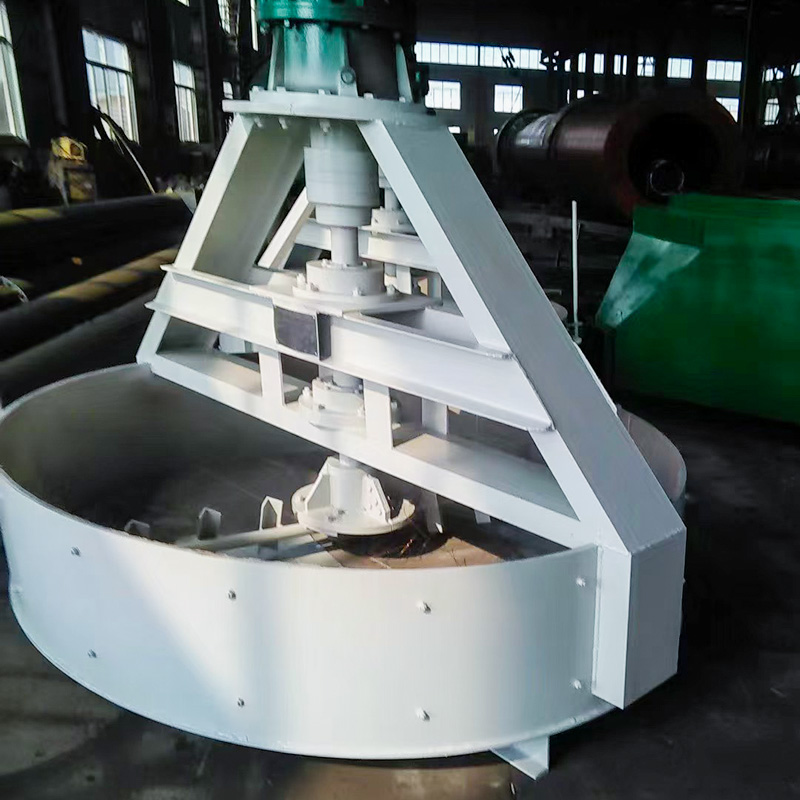
The granulation stage is the heart of the organic fertilizer production line. Here, several technical hurdles frequently arise:
Equipment Wear and Corrosion
Organic materials often contain salts and acids that are highly corrosive to carbon steel. Over time, components of the organic fertilizer production line such as the granulator blades, mixer paddles, and conveyors can degrade, leading to frequent downtime and high maintenance costs. Utilizing stainless steel or specialized coatings is a common but expensive solution.
Material Blockage and Clogging
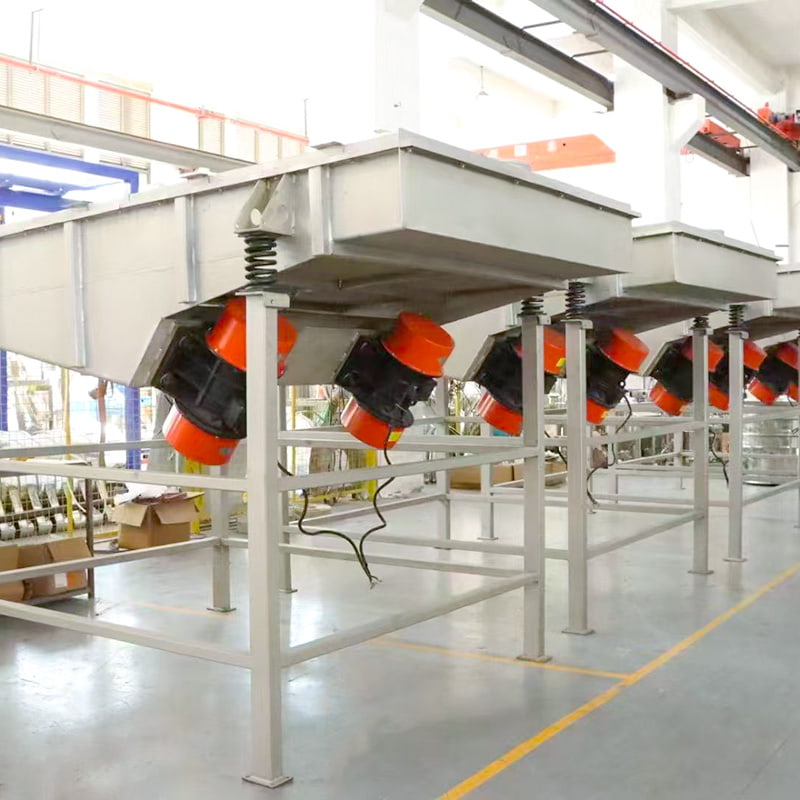
Due to the fibrous nature of some organic wastes (like straw or poultry feathers), clogging is common in the organic fertilizer production line. This is particularly problematic in the crushing and screening phases. If the pre-treatment is not thorough, large fibers can stall motors and damage belts.
Optimizing Nutrient Balance and Formula Stability
Farmers require fertilizers with specific Nitrogen-Phosphorus-Potassium (NPK) ratios. However, the raw input of an organic fertilizer production line varies by season and source.
- Raw Material Inconsistency: Manure from different farms can have vastly different nutrient profiles.
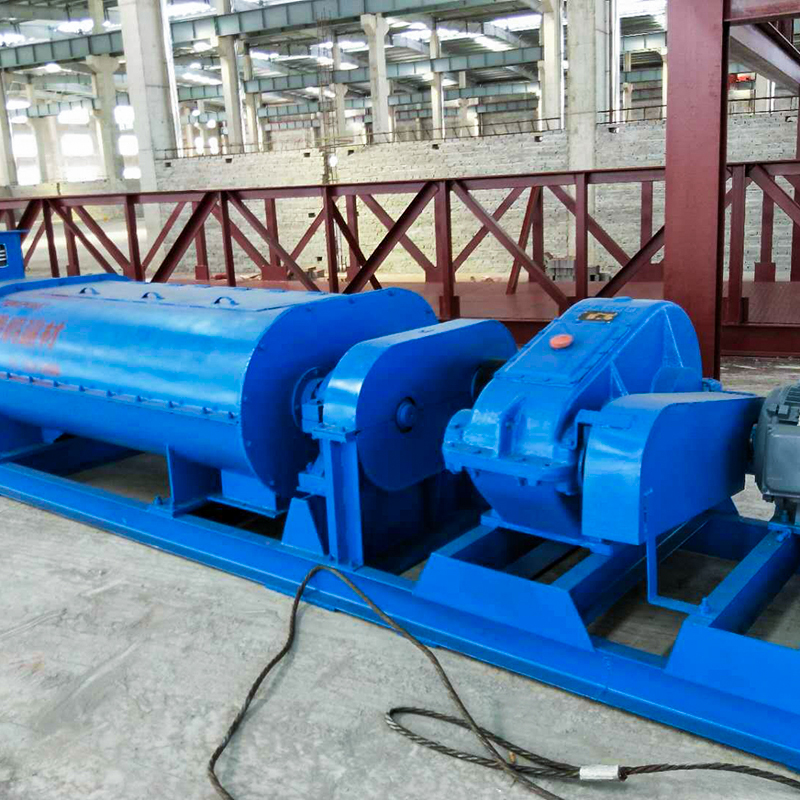
- Additive Mixing: Incorporating inorganic additives to "boost" the NPK value requires precise mixing to ensure every granule is uniform.
Energy Consumption and Sustainability
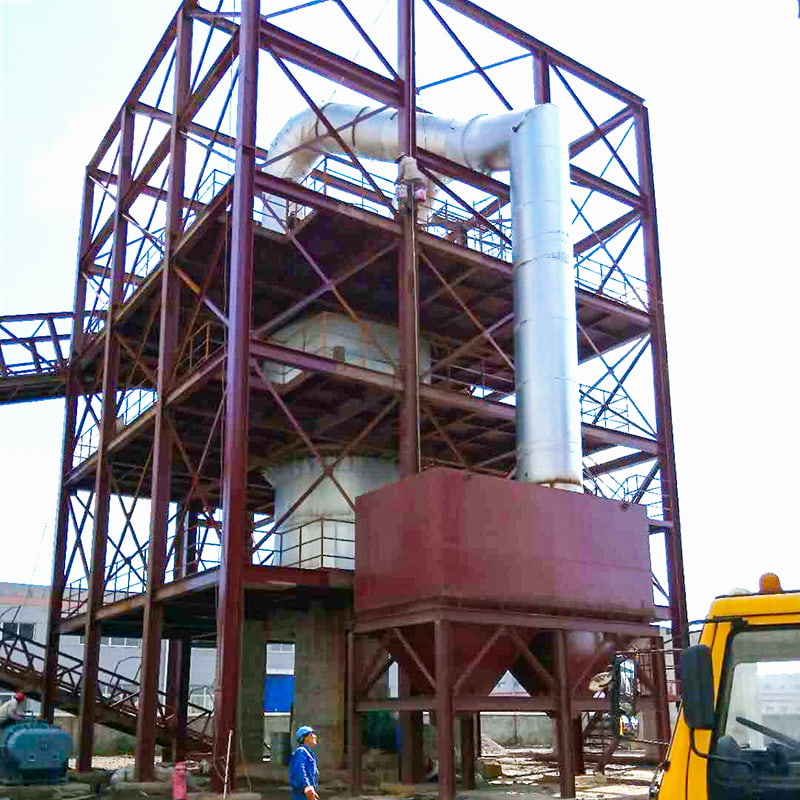
While organic fertilizer is "green," the organic fertilizer production line itself can be energy-intensive. The rotary dryer and cooling systems consume significant amounts of electricity and fuel. Finding the balance between "eco-friendly" and "economically viable" is a major hurdle for many operators.
Frequently Asked Questions (FAQ)
Q: Why is my organic fertilizer granule strength too low?
A: This is usually caused by incorrect moisture levels or an insufficient binder in the organic fertilizer production line. If the material is too dry during granulation, the particles won't bond properly. Adjusting the steam or water injection usually fixes this.
Q: How can I reduce the smell of my production facility?
A: Implementing an enclosed aerobic fermentation system within your organic fertilizer production line and using bio-filters or scrubbers is the most effective way to manage ammonia and hydrogen sulfide emissions.
Q: Can I process different types of waste on the same line?
A: Yes, but it requires a versatile organic fertilizer production line design. You may need to adjust the crushing and mixing parameters based on whether you are processing poultry manure, crop stalks, or municipal sludge.
Q: What is the most critical maintenance task for the line?
A: Cleaning and lubrication. Because of the dust and corrosive nature of organic materials, daily cleaning of the granulator and regular lubrication of bearings are vital to prevent catastrophic failures.
The Role of Automation in Solving Operational Issues
To mitigate these challenges, modern organic fertilizer production line designs are increasingly relying on PLC (Programmable Logic Controller) systems. These systems monitor moisture, temperature, and throughput in real-time, allowing for instant adjustments that manual labor simply cannot achieve.
Sensors and Monitoring
By installing moisture sensors at the input stage and temperature probes in the fermentation windrows, operators can ensure that the organic fertilizer production line is always running within optimal parameters. This reduces waste and improves the final product's shelf life.
Conclusion: Strategic Planning for Long-term Success
While the challenges of operating an organic fertilizer production line are numerous—ranging from biological unpredictability to mechanical wear—they are not insurmountable. Success lies in a combination of high-quality equipment selection, rigorous pre-treatment of raw materials, and a commitment to regular maintenance. By addressing moisture, fermentation, and granulation issues head-on, producers can ensure their organic fertilizer production line remains a profitable and sustainable pillar of modern agriculture.



GET IN
TOUCH WITH US
TOUCH WITH US
-
 No.68, Shuanglou Road, Qutang Town, Haian City, Nantong, Jiangsu
 -
Tel:
 +86-13914355558/18994158908
 -
E-mail:
 sales@tp-machinery.com
COPYRIGHT © 2025 Nantong Alisen Environmental Protection Technology Co., Ltd.
ALL RIGHTS RESERVED.
China fertilizer machinery manufacturer wholesale fertilizer machinery factory
