 En
En
 English
  Français
  русский
  中文简体
中文简体  عربى
عربى  Español

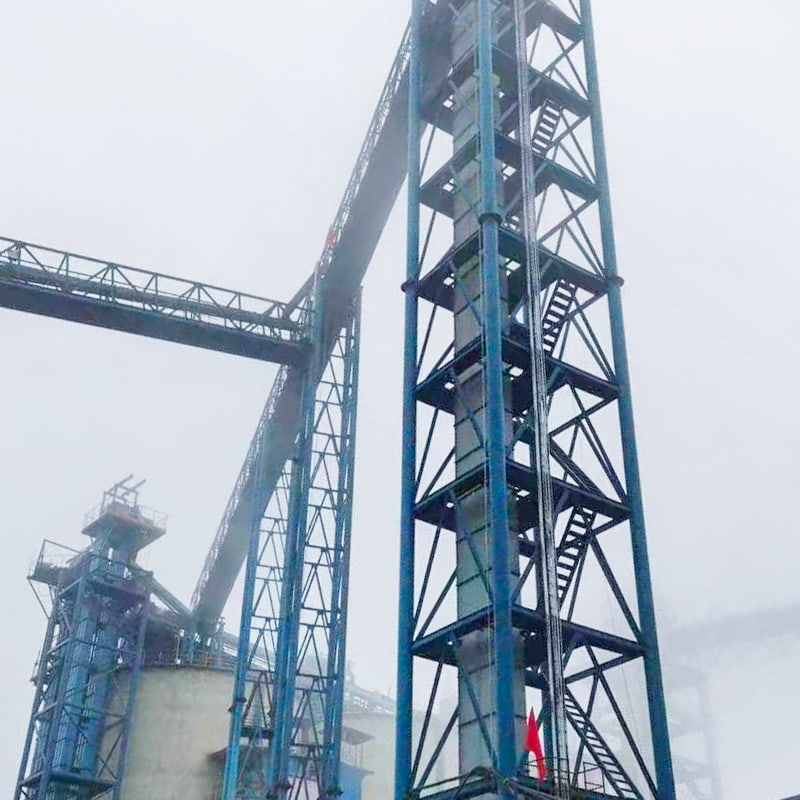
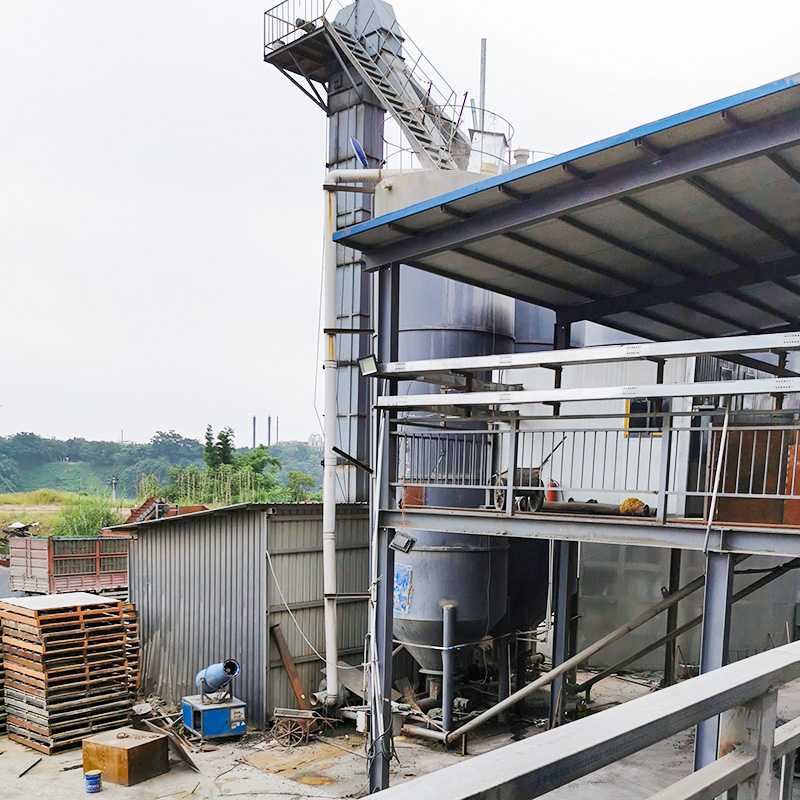
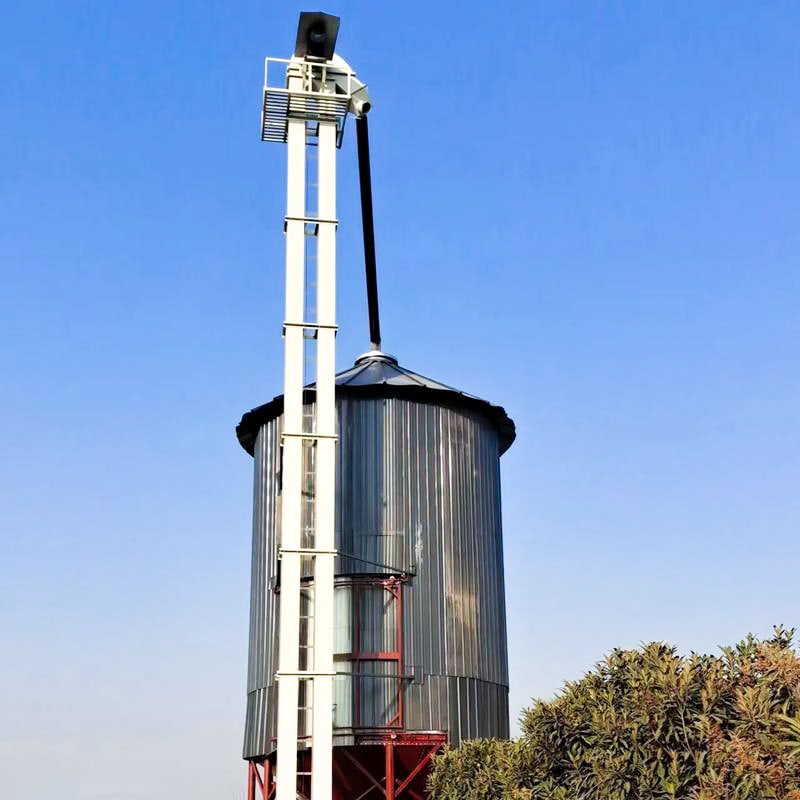
A bucket elevator is a highly reliable and efficient mechanical conveyor system specifically designed to vertically transport bulk materials such as grains, coal, sand, cement, fertilizers, and aggregates within an enclosed housing. The fundamental answer to what is a bucket elevator lies in its simple yet ingenious design: a series of uniformly spaced buckets attached to a rotating belt or chain lift material from a lower inlet point, carry it upward, and discharge it at the top using centrifugal force or gravity. This vertical handling capability, which can achieve lifting heights exceeding 50 meters (164 feet) and throughput capacities ranging from a few hundred kilograms to over 1,000 tons per hour, makes the bucket elevator an irreplaceable link in agricultural processing, mining, power generation, and manufacturing supply chains.
What Is a Bucket Elevator and How Does Its Operating Principle Work?
A bucket elevator operates on a continuous loop principle where buckets dig into or are filled with material at the base, are drawn vertically up inside a dust-tight casing, and then discharge that material by throwing it outward through centrifugal force or by gently pouring it over a discharge spout as the belt or chain passes around a head pulley or sprocket. The loading mechanism depends on the material characteristics and the type of elevator. In a centrifugal discharge bucket elevator, the buckets are spaced far apart on the belt and travel at a speed of 2.5 to 4.0 meters per second (500 to 800 feet per minute). The material is scooped from the boot section and then flung out of the bucket by centrifugal force as it rounds the head pulley, throwing it into the discharge chute. In contrast, a continuous bucket elevator uses buckets that are closely spaced or even interlocking, traveling at a slower speed of approximately 1.0 to 1.5 meters per second (200 to 300 feet per minute). The material is discharged by gravity as the bucket in front serves as a chute for the bucket behind it. According to the Conveyor Equipment Manufacturers Association (CEMA) standard 350, the precise engineering of the head pulley diameter, bucket profile, and rotational speed determines the discharge trajectory and whether the material will fall cleanly into the chute or spill back into the casing.
Main Types of Bucket Elevators and Their Comparative Performance
The three primary industrial categories of bucket elevators are the centrifugal discharge type, the continuous discharge type, and the positive discharge type, each engineered for specific material flow characteristics, speed requirements, and discharge trajectories. Selecting the wrong type can lead to severe material degradation, excessive wear, or a catastrophic chain break. The table below provides a direct comparison of their operating specifications.
| Feature | Centrifugal Discharge | Continuous Discharge | Positive Discharge |
|---|---|---|---|
| Discharge Mechanism | Centrifugal force throws material out | Gravity pour-over from bucket to bucket | Forced mechanical tripping of bucket |
| Belt/Chain Speed | 2.5–4.0 m/s (high speed) | 1.0–1.5 m/s (low speed) | 1.0–2.0 m/s (moderate speed) |
| Bucket Spacing | Widely spaced, 300–500 mm | Close or continuous interlocking | Widely spaced |
| Ideal Material | Free-flowing granules (grain, sand) | Fragile, aerated, or sticky materials | Coarse, lumpy, and abrasive materials |
| Typical Capacity | Up to 1,500 tph | Up to 800 tph | Up to 1,000 tph |
Key Components That Determine a Bucket Elevator's Reliability
The operational lifespan and safety of a bucket elevator depend on the robust design and material selection of its core components, including the head and boot sections, the drive unit, the belt or chain, and the buckets themselves. A well-engineered bucket elevator integrates the following critical elements:
- Head section and drive pulley: The head pulley or sprocket is typically rubber-lagged or hard-faced to provide a positive grip on the belt or chain. The drive motor is connected through a gear reducer that delivers a continuous output torque. For large-capacity elevators exceeding 500 tons per hour, a fluid coupling or variable frequency drive (VFD) is often installed to provide a soft start and prevent shock loading on the belt.
- Boot section and tensioning system: The boot houses the take-up pulley and provides the gravity tension that keeps the belt from slipping. Proper tensioning is critical because slippage causes premature wear of the lagging and belt backing. In severe-duty applications, the boot is fitted with replaceable wear liners and a clean-out door to prevent material build-up.
- Casing and intermediate sections: The elevator casing is fabricated from steel panels that are bolted together with dust-tight seals. For handling corrosive or hot materials, stainless steel or special coatings are specified. The casing provides structural support and controls dust emissions, which is vital for compliance with OSHA respirable dust regulations in grain handling and mineral processing plants.
- Buckets and fasteners: Elevator buckets are made of polyethylene, nylon, ductile iron, or stainless steel, depending on the material's temperature, abrasiveness, and corrosion potential. They are attached to the belt using specially designed elevator bolts with large, flat heads and locking nuts that resist vibration and prevent the bucket from detaching and falling into the casing—a leading cause of catastrophic chain reaction failures.
Industries That Rely on Bucket Elevators for Vertical Handling
The bucket elevator is the workhorse of vertical material handling in virtually every industry that processes dry bulk commodities, with the agricultural, mining, power, and construction sectors representing the largest installed bases. The specific applications within these industries include:
- Agricultural processing: Bucket elevators move wheat, corn, soybeans, and rice from receiving pits to silos and from silos to milling equipment. The gentle handling of a continuous discharge bucket elevator minimizes grain cracking, which directly impacts the market value of the crop.
- Mining and quarrying: In mineral processing plants, centrifugal bucket elevators lift crushed ore, sand, and gravel to screens and crushers. The heavy-duty chain-driven design can withstand the impact and abrasion of hard, sharp particles.
- Power generation: Coal-fired and biomass power plants use bucket elevators to feed fuel into boiler hoppers. The totally enclosed casing prevents the escape of combustible dust, addressing a critical explosion prevention concern.
- Chemical and fertilizer production: Continuous bucket elevators handle urea, potash, and phosphate granules with minimal degradation, while corrosion-resistant construction protects against aggressive chemical attack.
Key Advantages of Using a Bucket Elevator Over Other Conveyors
The primary advantages of a bucket elevator include its ability to move massive volumes of material vertically within an extremely compact footprint, its high energy efficiency compared to pneumatic conveying, and its proven reliability with minimal maintenance. A bucket elevator requires a floor area of only a few square meters, whereas an inclined belt conveyor achieving the same lift would occupy a much larger building length. In terms of energy consumption, pneumatic conveyors can consume 5 to 10 times more power per ton of material conveyed because they must move a large volume of air in addition to the product. According to the U.S. Department of Energy's Motor Challenge Program, upgrading from a pneumatic transport system to a bucket elevator can reduce electricity usage by 60% to 80%. Additionally, the gentle handling of a continuous bucket elevator significantly reduces material degradation, a crucial factor for fragile products like breakfast cereals or catalyst pellets where fines generation directly impacts product value.
Frequently Asked Questions About Bucket Elevators
How do I select the right bucket elevator for sticky materials?
For sticky or hygroscopic materials, a continuous discharge bucket elevator with a slow chain speed and specially shaped buckets that provide a positive clean-out is essential. The gentle gravity discharge and the bucket design prevent material from packing into the corners. Additionally, the boot section can be fitted with a belt scraper or a pneumatic knocker to dislodge any build-up, and the casing may be heated or insulated to prevent condensation that can cause caking.
What is the typical lifespan of a bucket elevator belt?
With proper installation and maintenance, a high-quality rubber or PVC belt on a bucket elevator can last between 8 and 15 years. The key factors influencing belt life are the correct selection of the belt cover compound for the material and environment, maintaining proper tension to prevent slippage, and ensuring the head and boot pulleys are aligned to prevent edge fraying. Regular inspection of the belt splice and fastener condition is critical to preventing a sudden break that could cause a plugged elevator.
How can explosions in bucket elevators be prevented?
Explosion prevention in a bucket elevator handling combustible dust relies on a multi-layered safety strategy. This includes installing explosion relief panels on the casing, fitting bearing temperature monitors and belt alignment sensors that automatically shut down the drive, and using conductive belt materials with static dissipation properties. Magnetic separators and tramp metal detectors at the inlet prevent sparks caused by foreign metal objects striking the casing. Regular housekeeping to remove dust accumulations is equally critical to reducing secondary explosion risks.
Can a bucket elevator handle very hot materials like cement clinker?
Yes, special bucket elevator designs can handle materials at temperatures up to 400°C (750°F). For these extreme applications, the buckets and casing are fabricated from heat-resistant stainless steel or alloy steel, and the belt is replaced with a high-temperature chain. The drive components and bearings are spaced away from the hot casing, and thermal expansion joints are incorporated into the design. Cooling fans or water jackets on the casing may also be used to protect the structural steel and lubrication.
The bucket elevator stands as a cornerstone of efficient vertical bulk material handling, combining a simple mechanical principle with robust engineering to serve the world's most demanding industries. Its ability to move thousands of tons per day within a slim, sealed profile offers a compelling blend of productivity, safety, and cost-effectiveness that alternative conveying methods simply cannot match for straight vertical lifts.