 En
En
 English
  Français
  русский
  中文简体
中文简体  عربى
عربى  Español

A three drum dryer is an advanced, high-efficiency industrial drying system that utilizes a unique triple-cylinder, self-insulating structure to drastically reduce fuel consumption and floor space. In an era where energy costs account for a significant portion of operational expenses and sustainability is non-negotiable, this technology has transitioned from a niche innovation to an essential component of modern drying processes. Unlike traditional single-drum units that waste massive amounts of heat into the atmosphere, the three-drum design ensures that the material never touches a cold surface during its journey, allowing industries to process bulk solids at thermal efficiencies often exceeding 70%.
What Exactly Is a Three Drum Dryer?
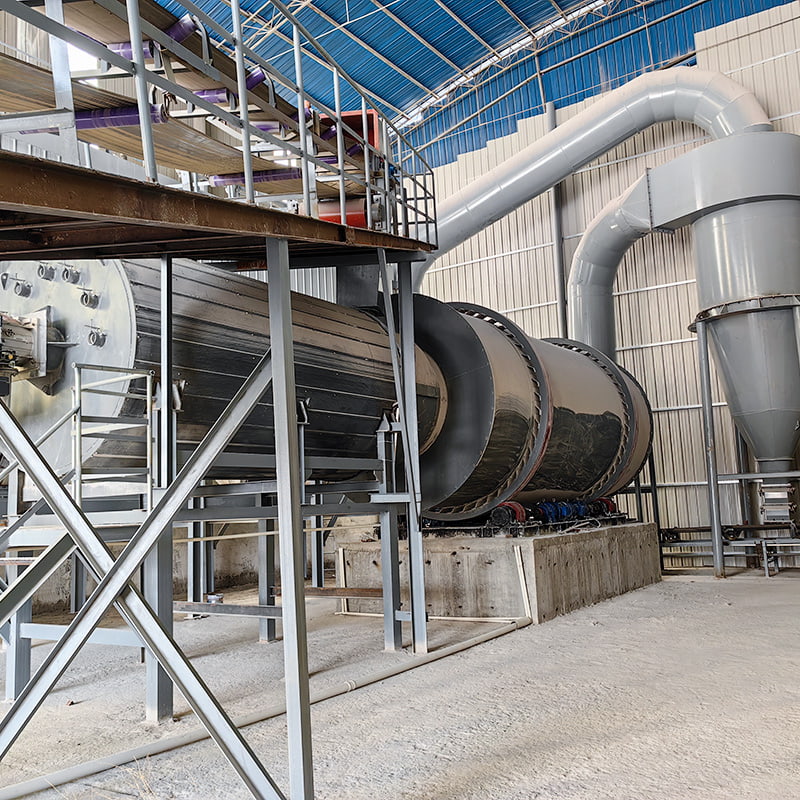
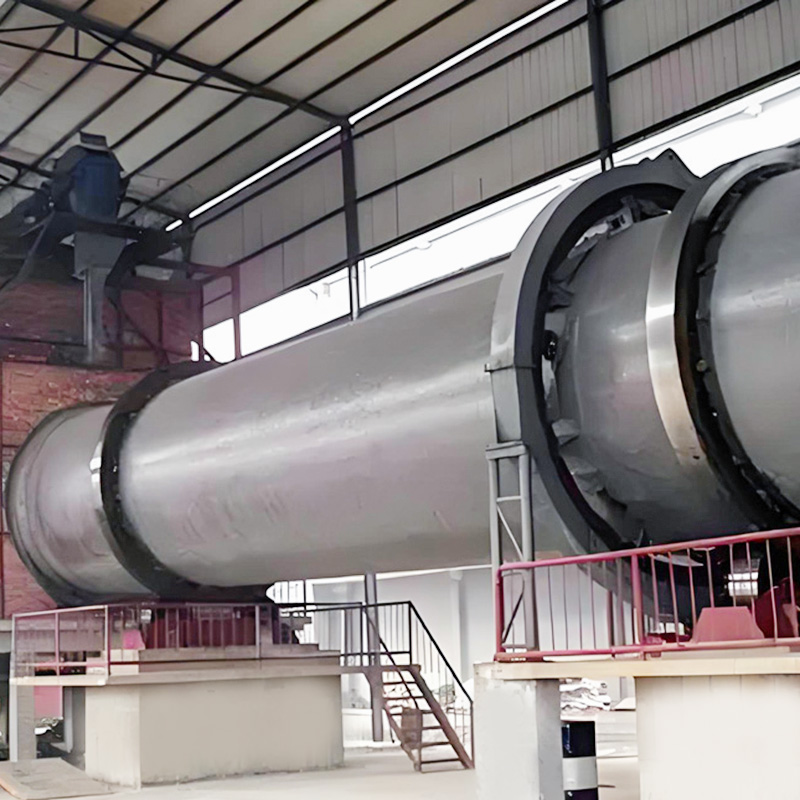
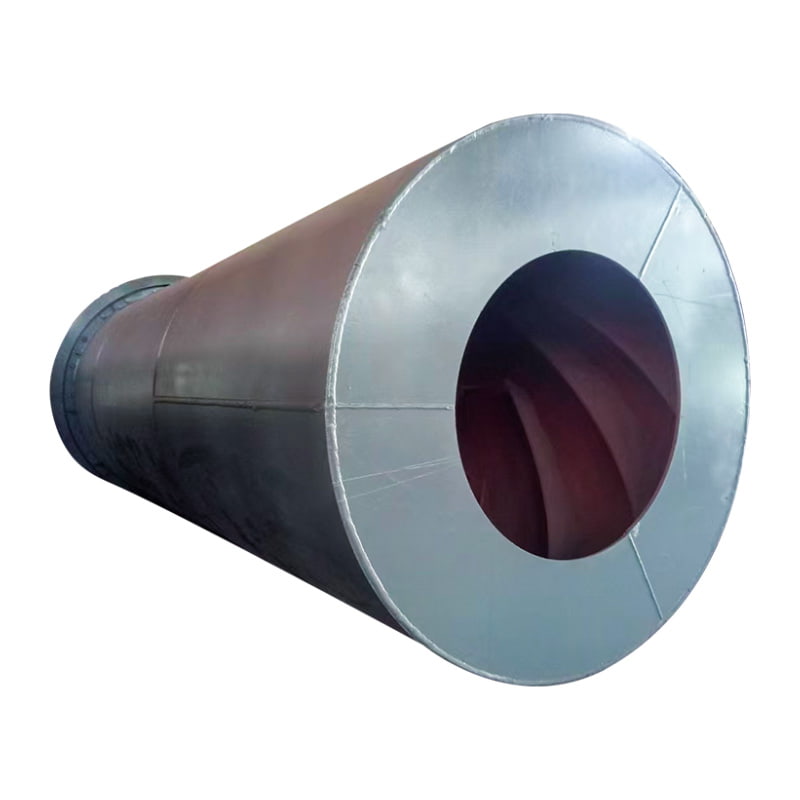
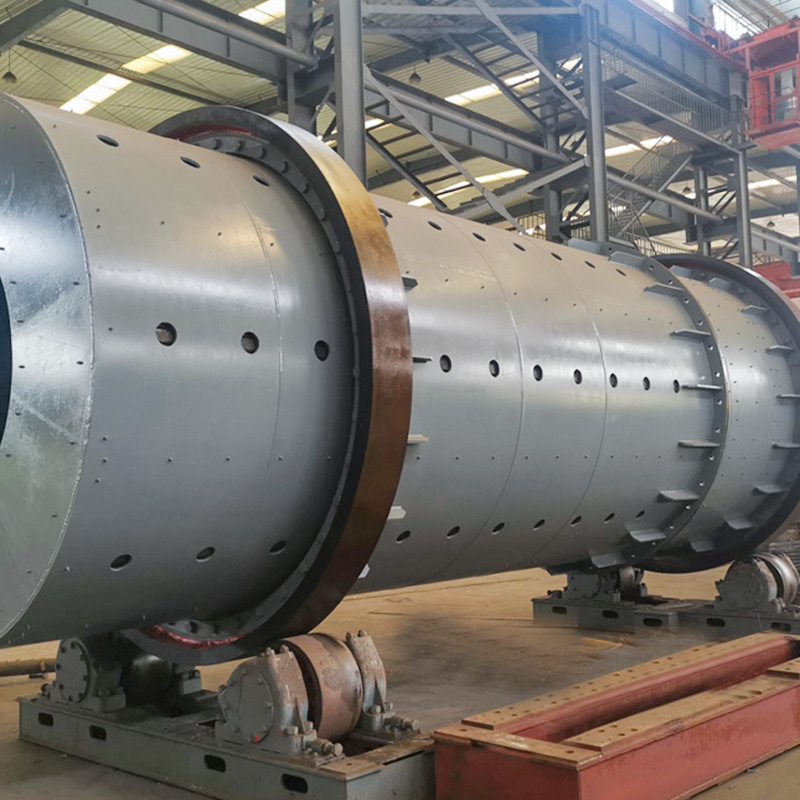
A three drum dryer is a nested concentric cylinder system designed to maximize heat exchange by forcing hot air through three separate material paths within a single compact footprint. Instead of a single massive rotating tube, this equipment consists of three barrels of varying diameters combined into one. The hot air and material flow through the inner cylinder, back through the middle cylinder, and finally through the outer cylinder before discharge. This multi-pass design effectively gives the drying process three times the heat transfer length of a single drum dryer while occupying a fraction of the physical floor space.
The physical configuration relies on a unique self-insulating property. Because the high-temperature gas flows through the center and is then immediately surrounded by the other material-bearing cylinders, the heat is trapped. The outer shell of the machine remains remarkably cool to the touch compared to traditional dryers, a direct indicator that thermal energy is being absorbed by the material rather than radiated into the factory environment. This structural integrity makes it particularly suited for drying biomass, minerals, sand, and chemical products where precise final moisture content is critical.
The Working Principle Behind Superior Efficiency
The superior efficiency of a three drum dryer hinges on a counter-current and co-current hybrid flow mechanism that maximizes the temperature gradient between the hot gas and the wet material. The process begins with high-velocity hot air entering the innermost drum. Here, the wettest material is introduced and rapidly dried through direct contact. As the material flows along specialized lifting flights, it cascades in a curtain-like pattern across the hot air stream, ensuring uniform drying. According to thermal dynamics data from the International Journal of Energy Research, direct contact drying in such multi-pass chambers improves heat transfer coefficients by up to 45% compared to single-pass radiative drying.
Once the material reaches the end of the inner drum, it drops back into the middle cylinder. In this phase, the flow dynamics shift. The partially dried material now moves in the opposite direction of the hot gas, creating a counter-current flow. This is the most efficient heat exchange stage because the driest material meets the hottest air. Finally, the material makes one last pass through the outer cylinder, undergoing a stabilization or cooling phase while pre-heating the exterior shell and trapping residual heat. This triple-exposure method means that for every unit of heat generated, a significantly higher percentage is utilized, with typical exhaust temperatures dropping far below those of single-drum models.
Why Is a Three Drum Dryer Essential for Modern Drying Processes?
The three drum dryer is essential because it solves the three biggest pain points of traditional industrial drying: excessive energy waste, massive operational footprints, and inconsistent output quality. Modern processing plants cannot afford the thermal inefficiency of older systems that vent 30% to 40% of input heat directly into the atmosphere. The European Energy Efficiency Directive has pushed industrial operators to seek technologies that align with carbon-neutral goals, and the three drum system delivers exactly that by slashing fuel consumption by nearly half.
Unmatched Thermal Efficiency and Fuel Savings
Data aggregated from industrial drying field tests indicates that a standard single drum rotary dryer struggles to maintain a thermal efficiency of 35%, with most of the heat lost through the shell. A three drum dryer, by virtue of its self-insulating gaps, routinely hits thermal efficiencies of 75% to 85%. This translates to tangible fuel savings. For a production line drying 20 metric tons of sand per hour, switching to a three-drum design can reduce coal consumption from 400 kg/h to approximately 240 kg/h—a 40% reduction in fuel costs.
Compact Footprint and Reduced Civil Costs
Space is a premium in most established factories. A three drum dryer reduces the required equipment length by roughly 60% to 70% compared to a single drum dryer of equivalent output. For instance, a conventional single drum dryer capable of processing 15 tons per hour might measure 25 meters in length. A three drum dryer offering the same throughput measures only about 8 to 10 meters. This reduction in length directly lowers civil engineering costs, simplifies installation, and minimizes the footprint of the supporting conveying and dust collection infrastructure.
Superior Product Quality and Operational Safety
Because the material is exposed to a controlled thermal gradient, the "over-drying" and scorching common in single-pass dryers are virtually eliminated. The outer shell temperature remains low—often below 50 degrees Celsius—preventing burn injuries and reducing the strain on plant ventilation systems. This makes the technology essential for heat-sensitive materials like lignite and certain chemical powders, where maintaining granular integrity and volatile content is just as important as removing moisture.
Single Drum vs. Double Drum vs. Three Drum Dryers: A Detailed Comparison
When evaluating drying solutions, the three-drum configuration consistently outperforms both single and double drum designs in thermal retention, spatial economy, and long-term operational costs. While single drum dryers remain prevalent due to their low initial manufacturing complexity, they are rapidly becoming obsolete for medium-to-large-scale drying. The following table breaks down the critical differences to help engineers make an informed decision.
| Feature | Single Drum Dryer | Double Drum Dryer | Three Drum Dryer |
|---|---|---|---|
| Thermal Efficiency | 25% - 35% | 40% - 55% | 65% - 85% |
| Outer Shell Temperature | High (80°C - 120°C) | Moderate (60°C - 90°C) | Low (35°C - 55°C) |
| Occupied Floor Area | 100% (Baseline) | ~65% of Baseline | ~30% - 40% of Baseline |
| Maintenance Complexity | Low | Medium | Medium |
| Suitability for Heat-Sensitive Materials | Poor (Risk of over-drying) | Fair | Excellent |
Key Applications Driving Industrial Demand
The versatility of the three drum dryer has made it the standard solution across the mining, construction, agriculture, and waste management sectors. Its ability to handle a vast range of particle sizes and initial moisture contents without clogging is unmatched. Whether it is a fine powder or a sticky granule, the self-cleaning mechanism of the multiple drums prevents the buildup that plagues single-drum units. Below are the primary industries where this technology is essential.
- Construction and Mortar: Drying yellow sand, river sand, and gravel for dry-mix mortar. The final moisture content is often required to be below 0.5% to ensure consistent chemical bonding and sieve grading.
- Mining and Minerals: Processing quartz sand, iron ore concentrate, and copper slag. The robust internal flights can handle the abrasive nature of ores without rapid thinning of the cylinder walls.
- Biomass and Agriculture: Drying sawdust, wood chips, distillers grains (DDGS), and alfalfa. Because biomass is highly flammable, the low outer shell temperature is critical for preventing fire hazards during continuous operation.
- Environmental Protection: Handling municipal sludge and chemical gypsum. The high thermal efficiency lowers the energy cost barrier for drying waste materials, making subsequent incineration or landfill disposal economically viable.
Technical Parameters and Choosing the Right Model
Selecting the correct three drum dryer model hinges on matching the evaporative capacity (water removal rate) with the production demand and the physical characteristics of the feed material. Engineers must look beyond just the throughput capacity; the angle of the lifting flights, the rotational speed, and the air velocity must be tuned to prevent material sticking and excessive dust carry-over. Typical industrial models range from compact units evaporating 500 kg of water per hour to massive structures capable of evaporating 8,500 kg of water per hour.
| Specification | Small-Scale Unit | Medium-Scale Unit | Large-Scale Unit |
|---|---|---|---|
| Water Evaporation Rate | 500 - 1,200 kg/h | 2,500 - 4,500 kg/h | 6,000 - 8,500 kg/h |
| Raw Material Moisture | 15% - 45% | 20% - 60% | 25% - 80% |
| Final Moisture Output | Below 1% (Adjustable) | Below 1% (Adjustable) | Below 1% (Adjustable) |
| Total Installed Power | 25 - 45 kW | 60 - 100 kW | 110 - 180 kW |
Maintenance Best Practices for Long-Term Performance
Preventive maintenance on a three drum dryer focuses almost exclusively on the integrity of the internal lifting flights and the cleanliness of the exhaust gas system. While the triple-drum design reduces thermal stress on the outer shell, the inner tubes handle the brunt of the abrasive force. A structured inspection routine, based on a specific number of operating hours rather than just calendar days, is critical to avoiding unscheduled downtime.
Operators should monitor the following key areas rigorously:
- Lifting Flight Wear: In the inner cylinder, flights are subjected to high temperatures and abrasive materials like silica sand. If the flight height wears down by more than 30%, the material curtain collapses, causing hot air to bypass the wet feed and dropping efficiency drastically.
- Air Velocity Calibration: The induced draft fan must maintain a stable negative pressure. Fluctuations in air velocity can cause material spillage from the feed end or excessive dust emission. Industry benchmarks suggest an air velocity of 1.5 to 3 m/s within the drum is optimal for sand drying.
- Bearing Lubrication: The support rollers and thrust rollers typically operate under high radial loads at moderate speeds. Using a high-temperature lithium complex grease can extend bearing life by up to 50% compared to standard lubricants.
- Seal Inspection: The labyrinth seals at the feed and discharge ends must be inspected monthly. A leaking seal not only wastes hot gas but also creates a dusty working environment, posing a health and safety risk.
Economic and Environmental Impact
Adopting a three drum dryer technology directly translates to a lower carbon footprint and a faster return on investment (ROI) than retrofitting older systems. In a lifecycle cost analysis conducted across five mineral processing plants, the three-drum configuration demonstrated a payback period of just 12 to 18 months based solely on fuel savings. When maintenance savings and increased throughput were accounted for, the total cost of ownership was found to be 40% lower over a ten-year span compared to a traditional single-drum setup. Furthermore, the reduced exhaust gas volume minimizes the size and power requirement of secondary dust collection systems like baghouses or electrostatic precipitators, compounding the initial investment savings.
Frequently Asked Questions (FAQ)
What materials cannot be processed in a three drum dryer?
The three drum dryer is unsuitable for ultra-sticky materials that do not flow freely or break apart during the tumbling action. While it handles wet sand, limestone, and loose sludge exceptionally well, materials with a paste-like consistency or heavy clay content can form "balls" inside the inner cylinder. These material balls become coated with dry outer layers while remaining wet inside, falling to the bottom and causing mechanical stress. For such materials, a pre-drying mixing system or a paddle-type feeder is required before the material enters the triple-drum cavity.
How much fuel can a three drum dryer save annually?
Based on a standard lignite drying operation of 10 tons per hour, a three drum dryer can save approximately 600 to 800 metric tons of standard coal annually compared to a single drum dryer. This calculation assumes continuous 24/7 operation for 300 days a year. If the plant uses natural gas or biomass pellets as fuel, the reduction in energy unit costs is similarly proportional. The specific savings depend on the difference between the inlet and outlet moisture percentages, but a 35% reduction in fuel use is a conservative industry average.
Is the installation of a three drum dryer complicated?
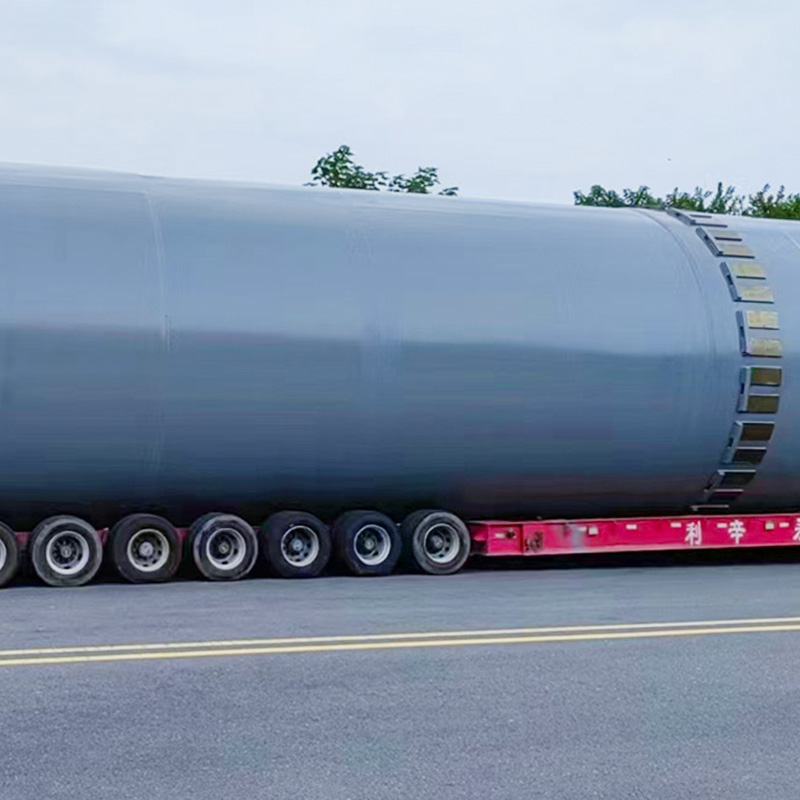
Installation is actually simpler than that of a single drum dryer of equivalent length due to the reduced structural footprint and modular design. The entire three-drum unit is usually delivered as a pre-assembled single piece or in very few large sections. Since it requires a shorter foundation base and fewer support piers, the civil engineering work is significantly reduced. However, precise alignment between the heat source furnace, the dryer inlet, and the discharge hood is critical. A slight misalignment will cause rapid wear on the inlet seal and uneven stress on the outer trunnion rollers.
What is the expected service life of the inner cylinders?
With proper material selection, the inner cylinders of a three drum dryer have a service life ranging from 5 to 8 years, even under abrasive conditions. Manufacturers typically use boiler-grade heat-resistant steel plates (such as Q245R) with a thickness of 12mm to 16mm for the inner barrel. For extremely abrasive materials like iron ore concentrate, wear-resistant steel liners are installed inside the inner cylinder to absorb the direct impact. These sacrificial liners are a minor annual maintenance cost but can extend the structural life of the cylinder shell by a decade.
Conclusion
The shift toward high-efficiency thermal processing is not a trend but a necessity, driven by rising fuel prices and strict environmental regulations. The three drum dryer sits at the nexus of operational efficiency and mechanical reliability, offering a transformative solution for industries reliant on bulk solid drying. By radically reducing heat loss through its self-insulating structure and compacting a massive heat exchange surface into a drastically smaller footprint, this technology provides a clear pathway to lowering both capital expenditure and operational costs, securing its place as an essential asset in modern drying processes.