
 En
En
 English
  Français
  русский
  中文简体
中文简体  عربى
عربى  Español
Tengpeng
Tengpeng
Tengpeng
Tengpeng
Tengpeng
Tengpeng
Tengpeng
Tengpeng
Tengpeng
Tengpeng
Tengpeng
Tengpeng
Bulk and Packaging Equipment
- Compound Fertilizer Production Line
- Grinding Equipment
- Material Feeding Equipment
- Dust Collection Equipment
- Drying Equipment
- Conveying Equipment
- Elevating Equipment
- Crushing Equipment
- Screening Equipment
- Industrial Mixing and Agitation Equipment
- Granulation Equipment
- Calcination Equipment
- Cooling Equipment
- Bulk and Packaging Equipment
Bulk and Packaging Equipment Supplier
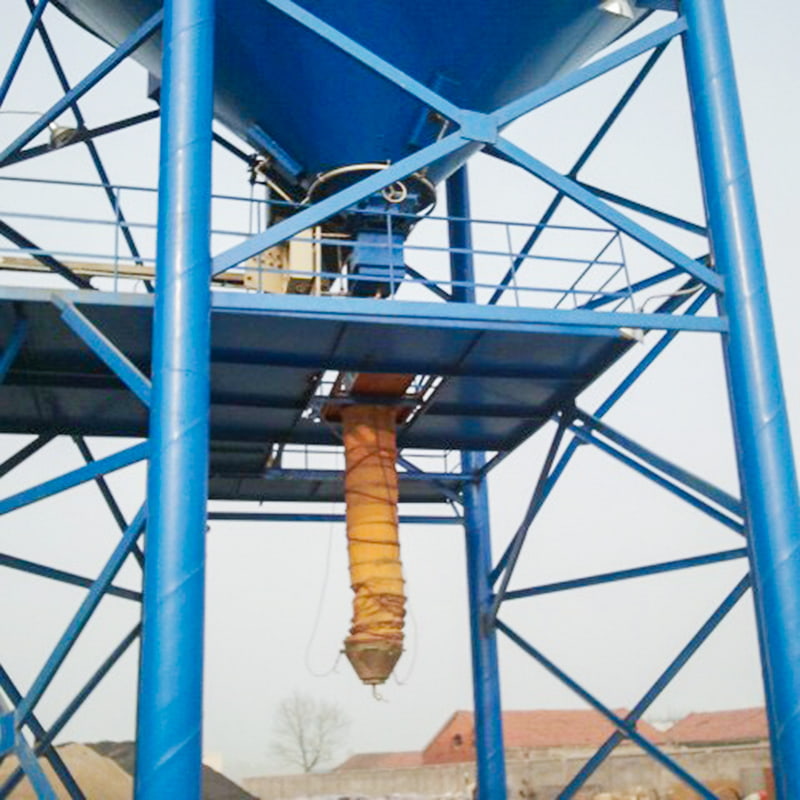
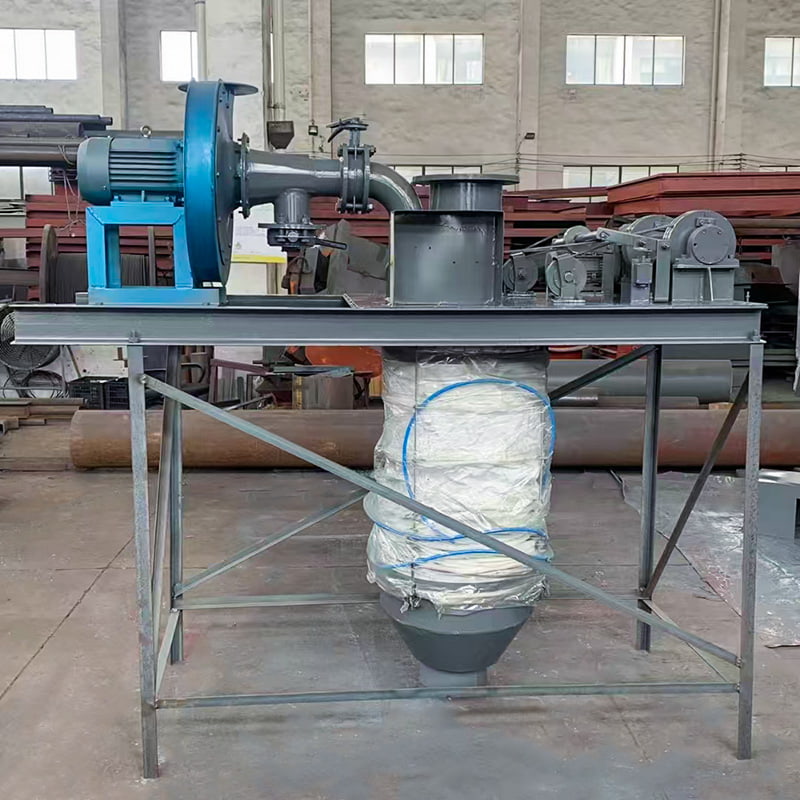
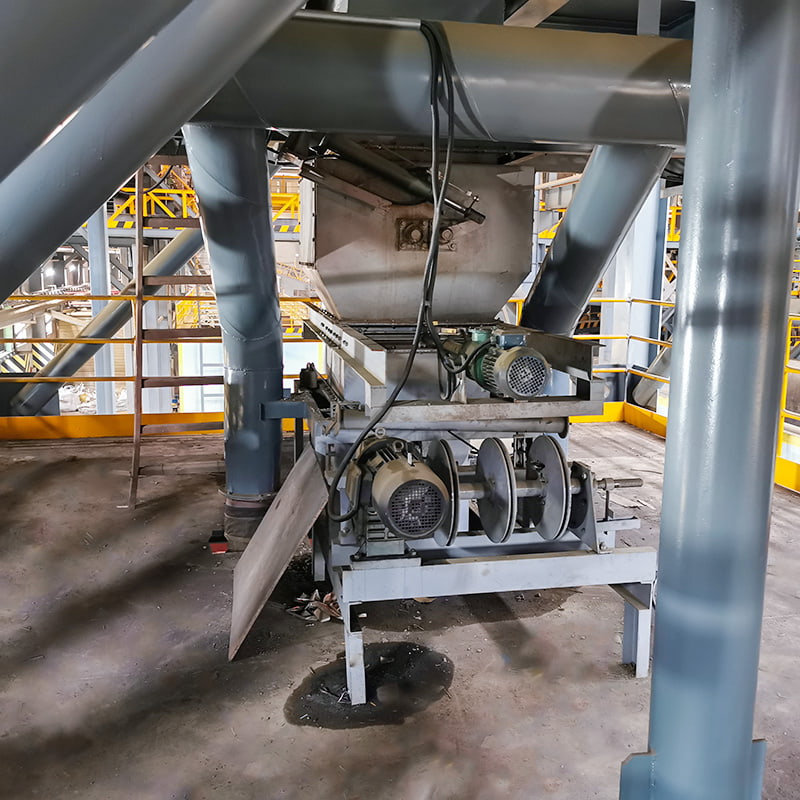
Bulk and packaging equipment is crucial for efficient material handling in industrial production and logistics, and is widely used in a variety of industries, including building materials, grain, chemicals, and mining. Typical examples of bulk equipment include truck-mounted bulk loaders. These devices connect to storage silos and transport vehicles via telescopic chutes, enabling precise and rapid loading of bulk materials such as cement, fly ash, and grain into tankers or silos, significantly reducing material loss and dust pollution. They are particularly suitable for short-distance transshipment and storage of large quantities of bulk materials. Bulk equipment also includes under-the-counter bulk loaders and dockside bulk conveyors. These can be flexibly configured based on material characteristics (such as particle size and flowability) and conveying distances, enabling automated loading and unloading and reducing labor costs.
Packaging equipment focuses on quantitative packaging and sealing of materials, encompassing a variety of types, including granule packaging machines, powder packaging machines, and liquid filling machines. Its core function is to measure, fill, seal, and label bulk materials according to preset specifications (such as 5kg/bag, 20kg/box). This not only ensures product weight consistency, but also extends the shelf life of the materials through sealed packaging, facilitating storage and sales. In industries such as food processing and pharmaceutical production, packaging equipment must also meet hygiene standards, using stainless steel and aseptic filling technology to prevent material contamination. In the building materials industry, heavy-duty packaging equipment can handle the packaging needs of heavy materials such as bagged cement and sand and gravel. In conjunction with the assembly line, it automates the entire process from filling to palletizing, significantly improving production efficiency.
About Us
Nantong Alisen Environmental Protection Technology Co., Ltd.
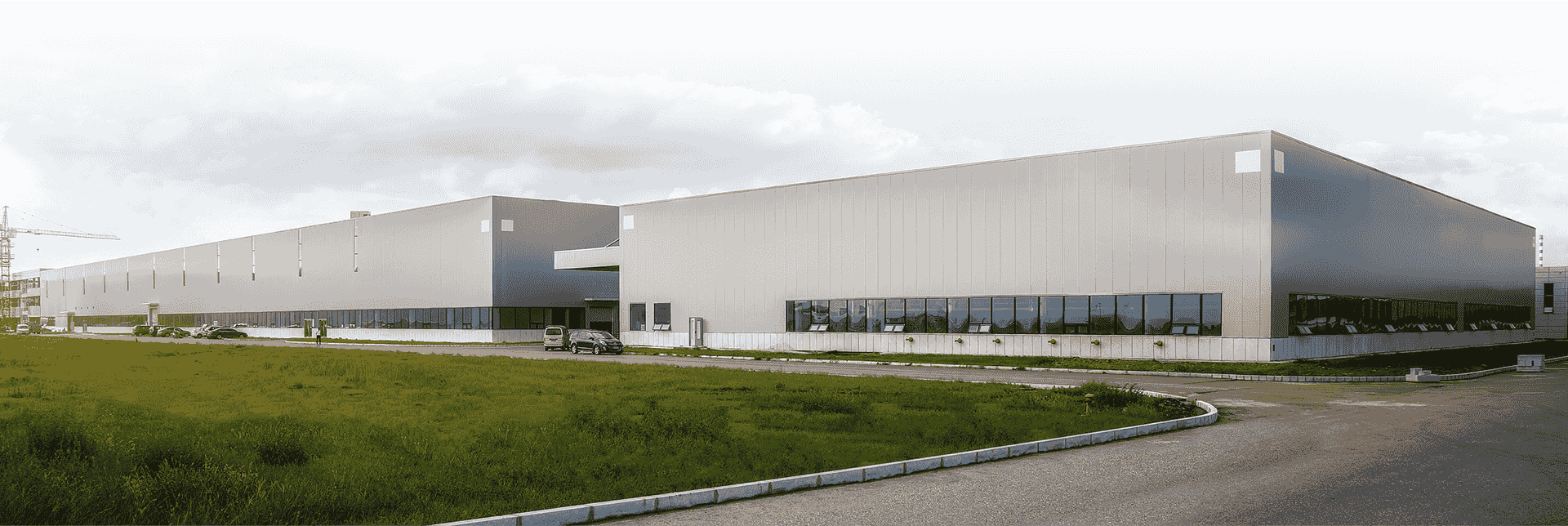
Nantong Alisen Environmental Protection Technology Co., Ltd. is a China Bulk and Packaging Equipment Supplier for Fertilizer/Powder Production Equipment and Wholesale Bulk and Packaging Equipment Company. Founded in 2007, Nantong Alisen Environmental Protection Technology Co., Ltd. is located in Qutang Town Industrial Park, Haian City, Jiangsu Province. It has two wholly-owned subsidiaries, namely Nantong Tengpeng Import and Export Co., Ltd. and Nantong Ailisen Environmental Protection Technology Co., Ltd. As a technology-oriented company focusing on fertilizer machinery and building materials machinery, we have been committed to the design and manufacturing of various types of fertilizer machinery and building materials machinery for many years.
The company boasts strong design and development capabilities, with its products covering a wide range and featuring high technological content. Many of its products lead the industry both domestically and internationally.
Its main products include Bulk and Packaging Equipment,rotary kilns, drum granulators, dryers, coolers, coating machines, crushers, conveyors, dust collectors and other equipment, which are widely used in major chemical fertilizer manufacturers. These products are applied in complete production lines for compound fertilizers, organic fertilizers, bulk blending fertilizers (BB fertilizers), potassium sulfate, etc.
With experienced technicians and mature process design concepts, the company can provide users with a full set of services, including process design for compound (mixed) fertilizer complete sets, equipment production, formula customization, equipment installation and on-site training. While supplying users with a full set of equipment, the company also provides technical upgrading and transformation services in terms of new production capacity and environmental protection for old fertilizer production enterprises.
Adhering to the business philosophy of "Customer First, Quality-Oriented, Reputation as Solid as a Tripod, and Service Supreme", the company strives to meet the personalized needs of customers and provide high-quality services. It takes customer satisfaction as the criterion for measuring the enterprise, thus winning the trust and support of a large number of customers. At the same time, we warmly welcome experts and colleagues at home and abroad to visit for guidance, discuss cooperation and create a better future together.
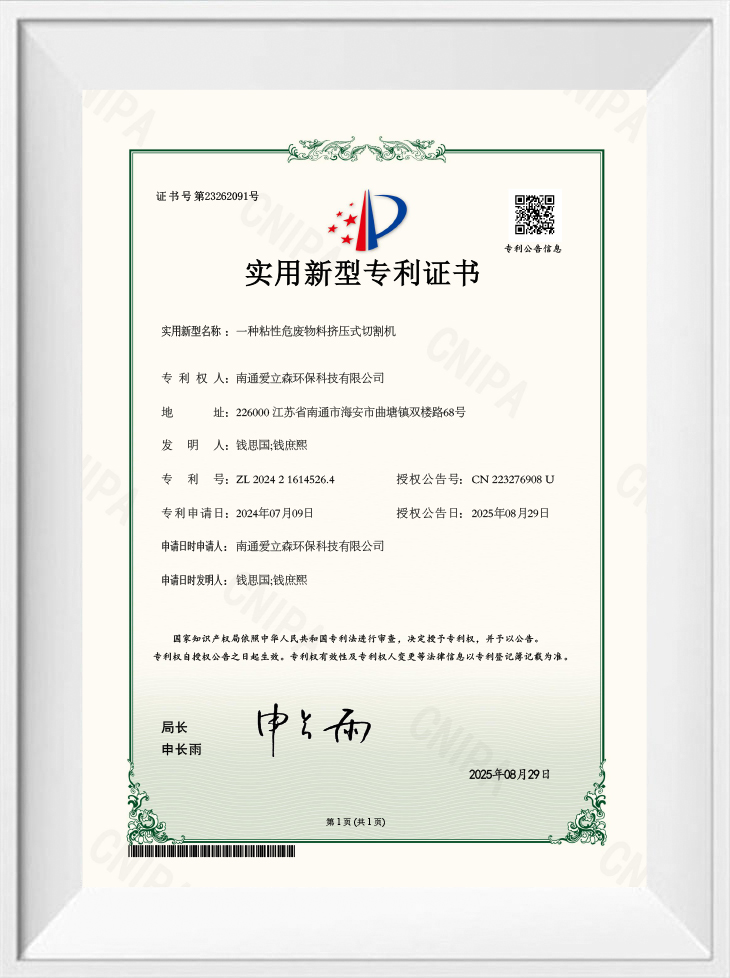
Certificate of Honor
News
-
Grinding ball mills are cylindrical rotating machines that use steel or ceramic balls as grinding media to crush and grind materials into fine powders through impact and attrition mechanisms. These essential industrial machines serve as the backbone of size reduction processes across mining, cement ...
READ MORE -
Operating a high-efficiency organic fertilizer production line involves a complex balance of biological processes and mechanical precision. The most common challenges include managing moisture content, ensuring complete fermentation, preventing equipment corrosion, and maintaining consistent granule...
READ MORE -
body {font-family: Arial, sans-serif; line-height: 1.6; font-size: 16px; margin: 20px;} h2 {margin-top: 30px; font-size: 22px;} h3 {margin-top: 25px; font-size: 20px;} p {margin-bottom: 15px;} ul {margin-bottom: 15px; padding-left: 20px;} table {width: 100%; border-collapse: collapse; margin-bottom...
READ MORE
Our Main Products
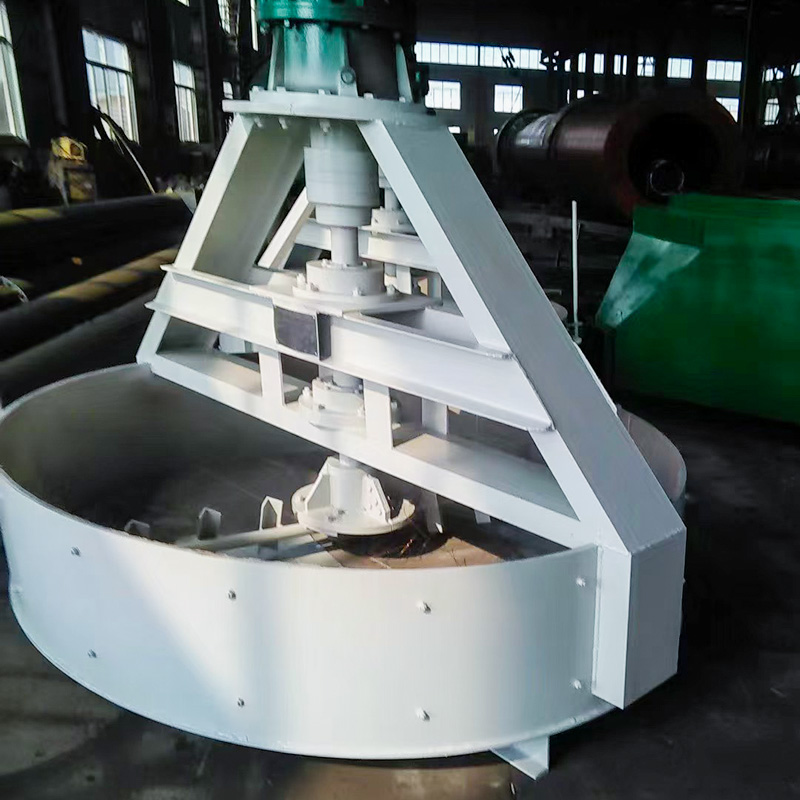
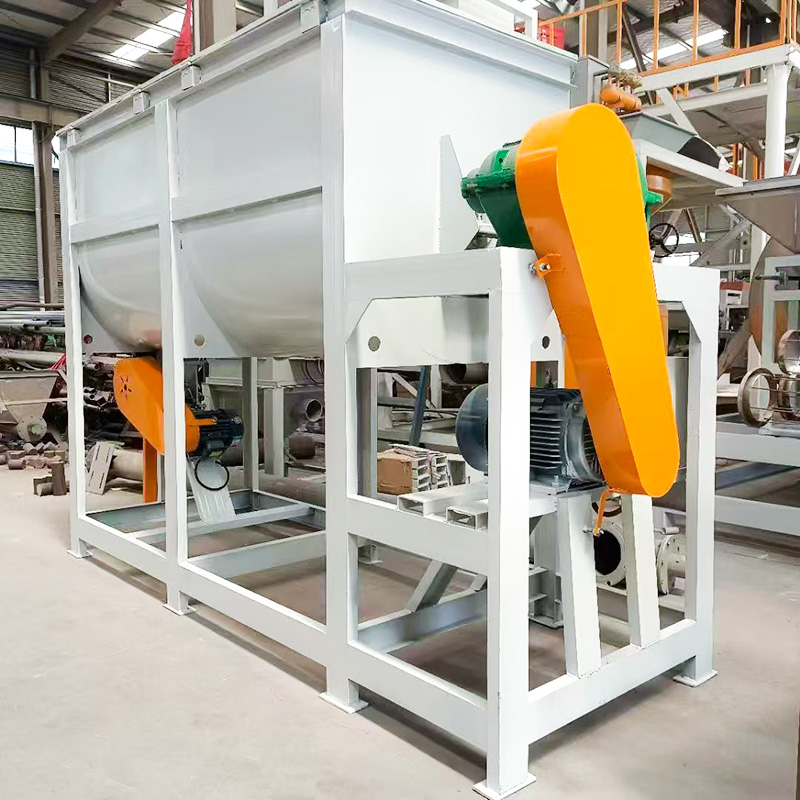
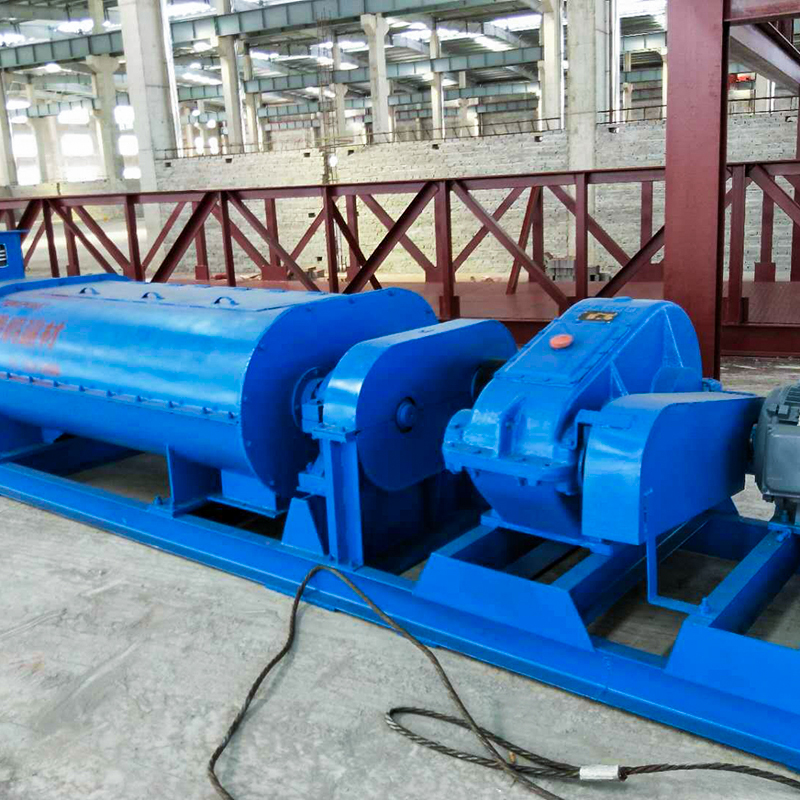
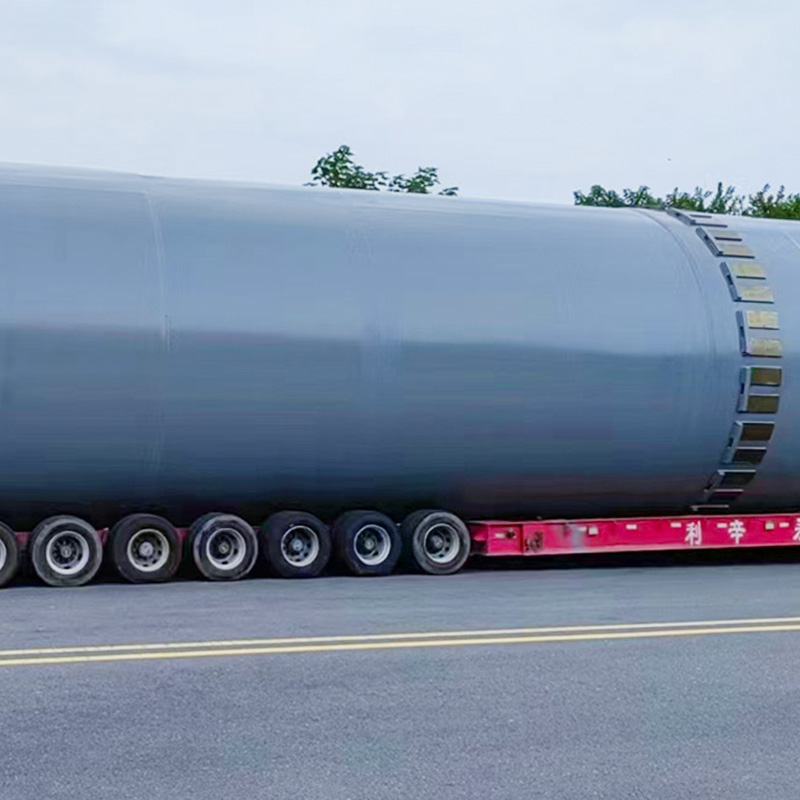
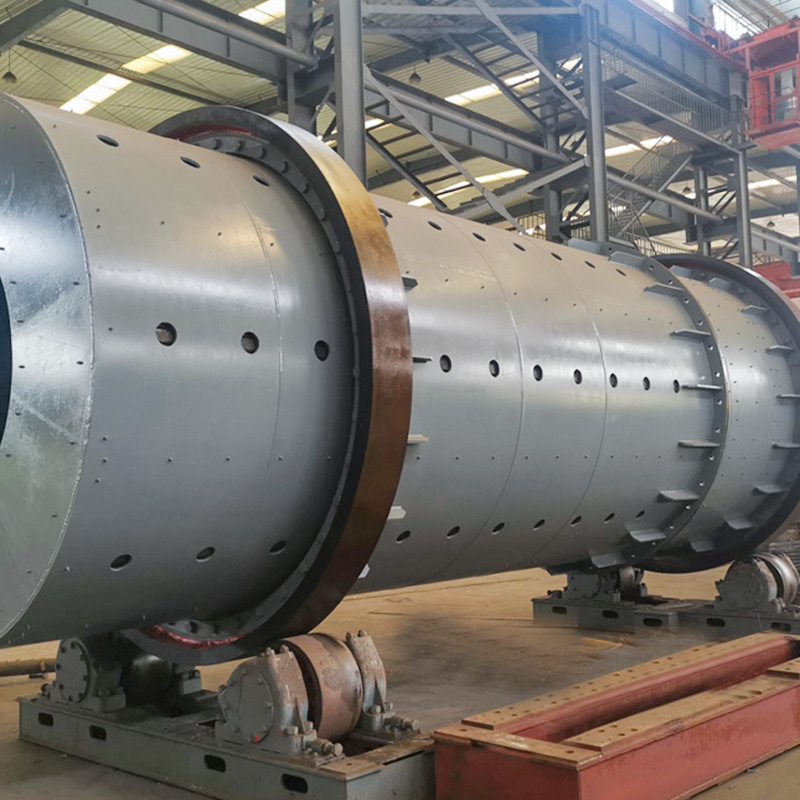
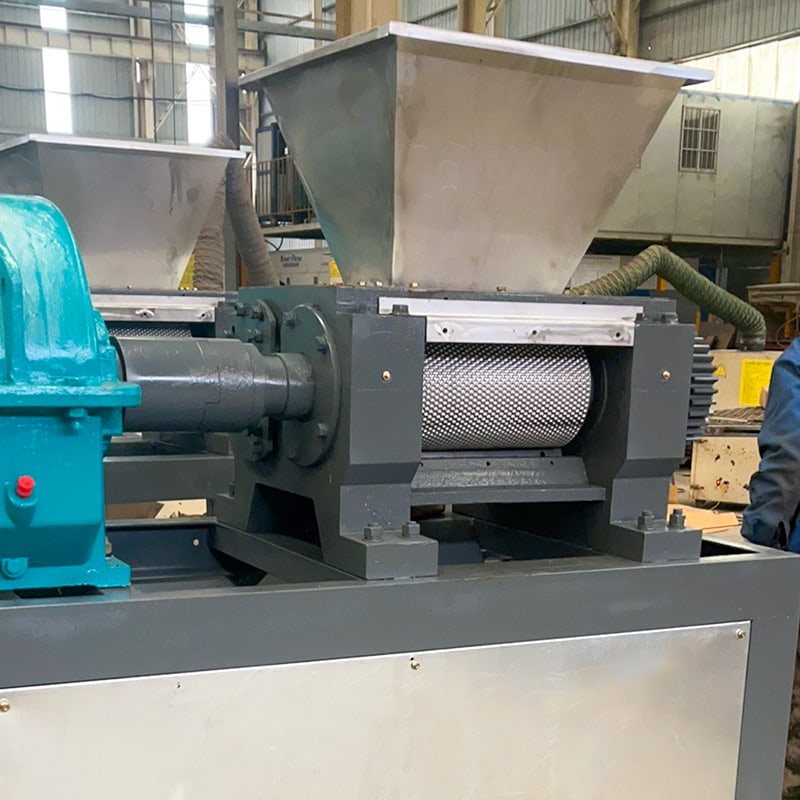
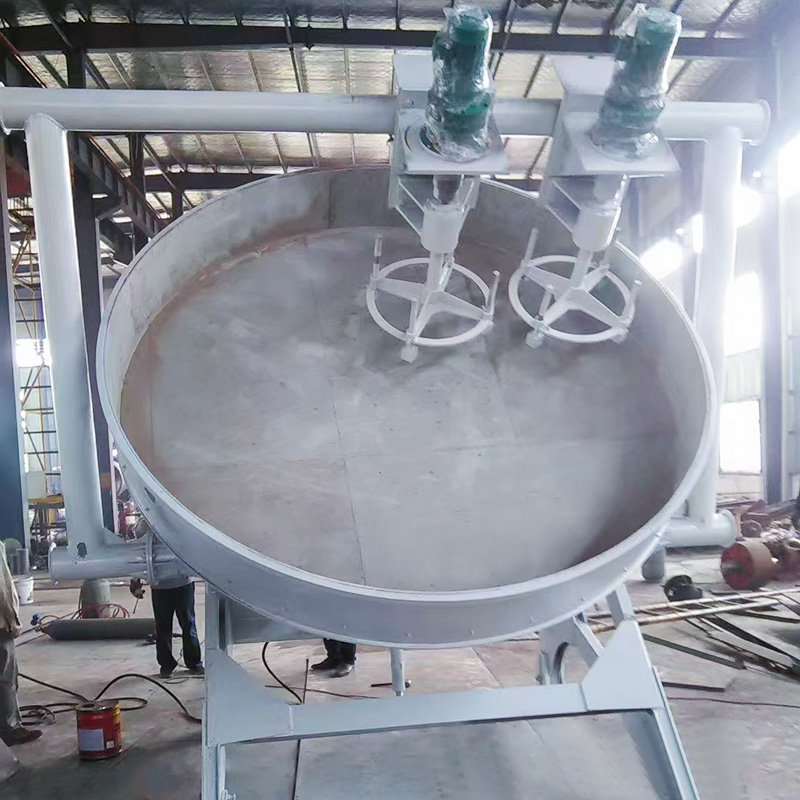
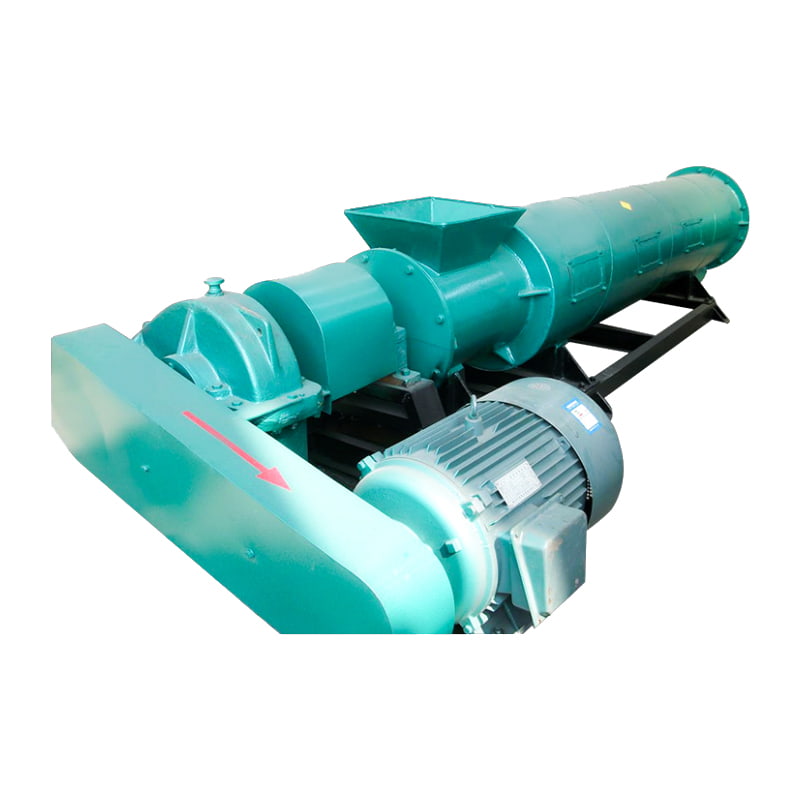
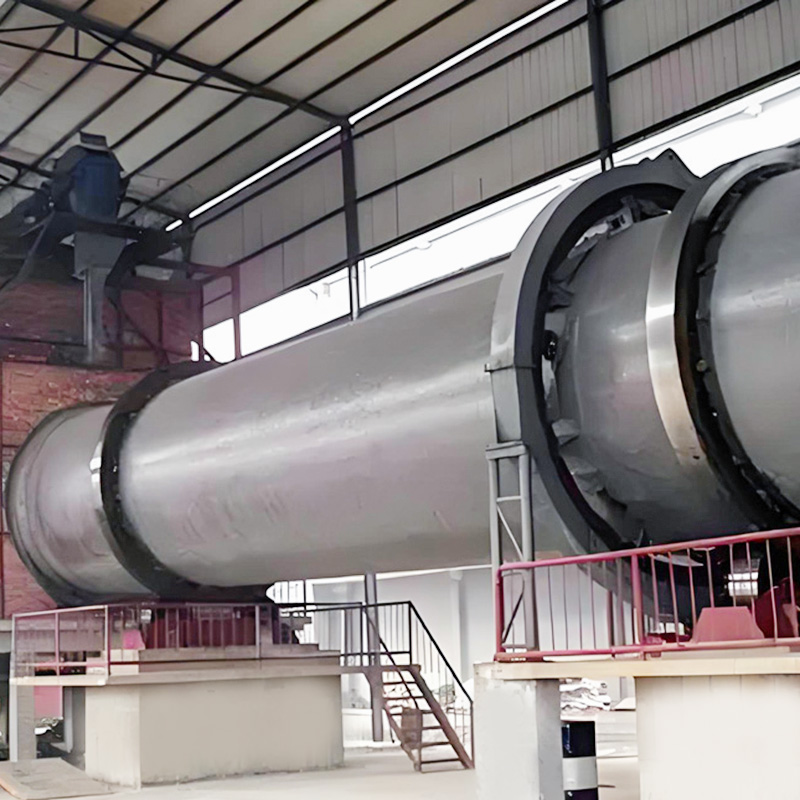
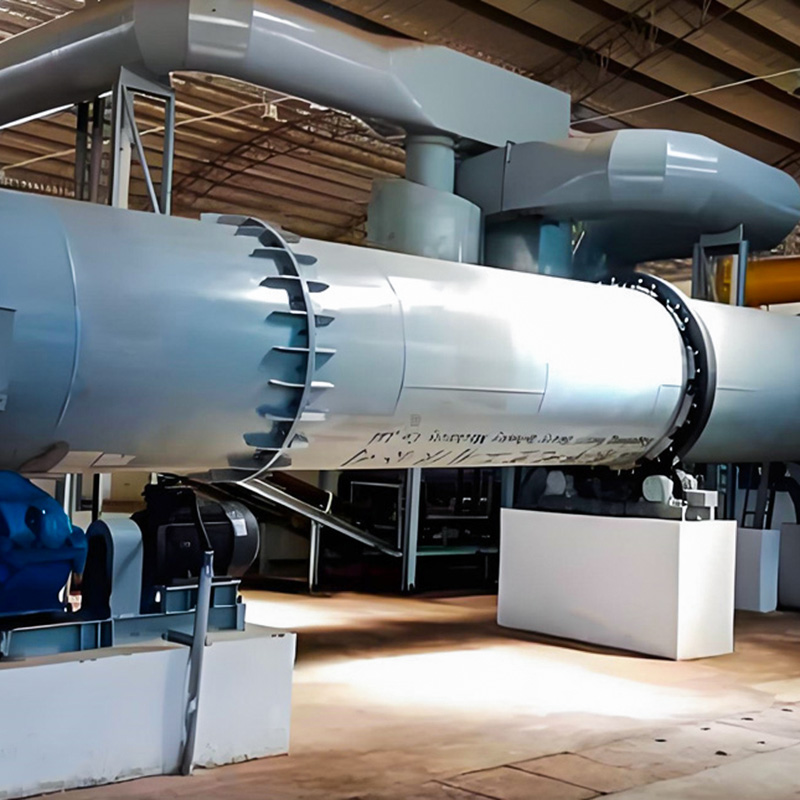
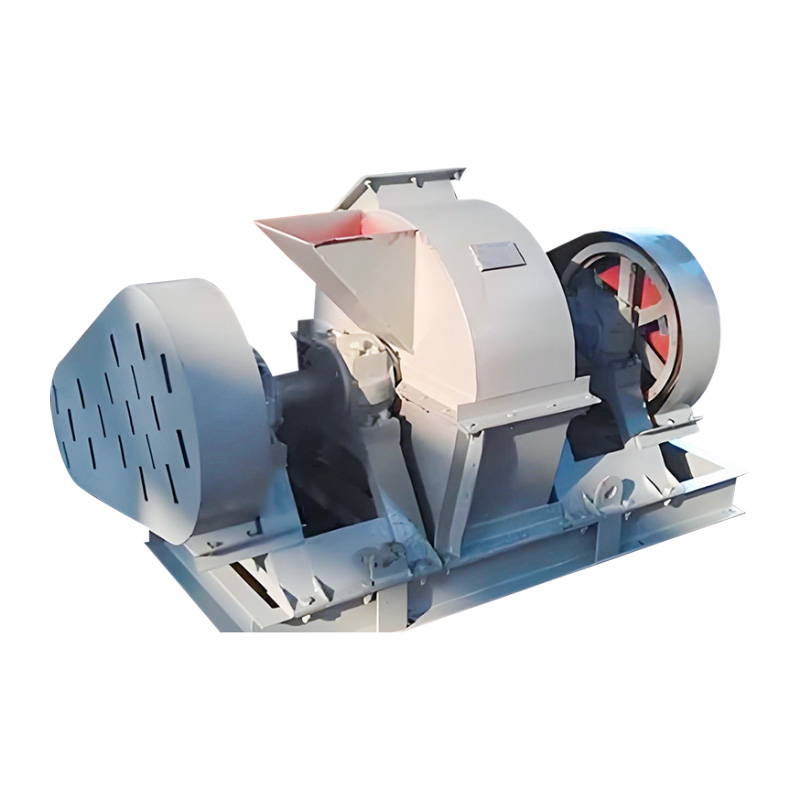
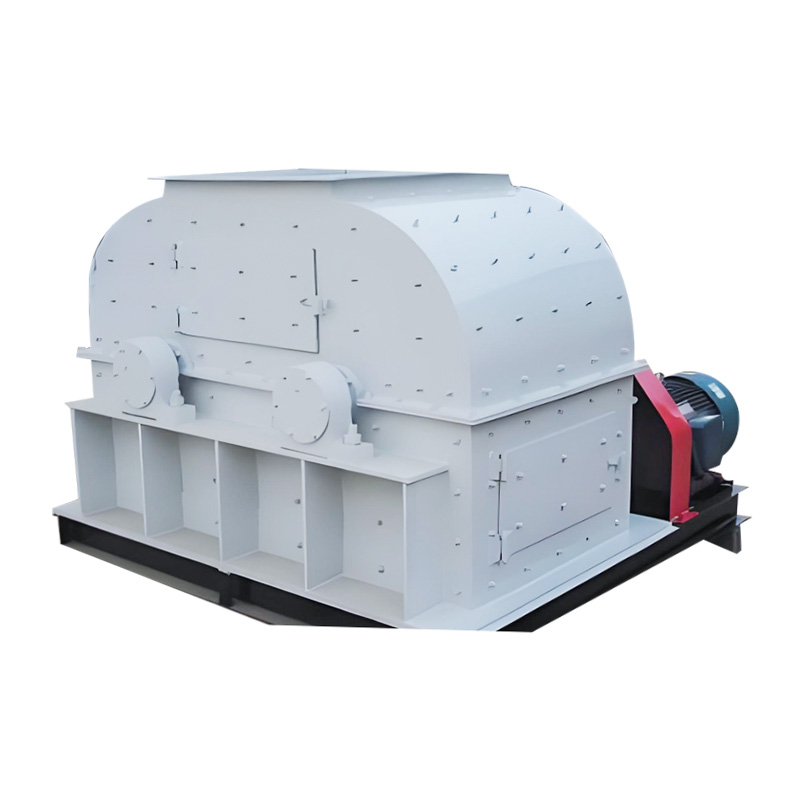
Bulk and Packaging Equipment for Fertilizer/Powder Production line Industry knowledge
Bulk and Packaging Equipment is designed to support material handling, weighing, batching, filling, sealing, and large-volume storage processes in fertilizer production and building materials manufacturing. This category covers equipment types commonly used to manage bulk materials before final shipment or downstream processing. Bulk and Packaging Equipment helps ensure stable material flow, accurate measurement, and efficient packaging, forming an essential part of complete production systems. As part of integrated fertilizer machinery solutions, Nantong Alisen Environmental Protection Technology Co., Ltd. incorporates Bulk and Packaging Equipment in various compound fertilizer and organic fertilizer production lines.
1. Core Functions and Working Principles
1.1 Bulk Material Storage and Discharging
Bulk systems such as silos, hoppers, and bulk unloading stations rely on gravity flow and controlled discharge devices.
Working principle:
-
Materials are stored in vertical or horizontal containers.
-
Flow-aid devices (vibrators, aeration pads, screw feeders) regulate discharge rate.
-
Discharging units feed downstream conveying, batching, or packaging equipment.
1.2 Batching and Weighing Units
Consist of electronic weighers, belt scales, and automatic dosing systems.
Working principle:
-
Sensors detect weight changes.
-
Control systems adjust feed rate of screw feeders or belt conveyors.
-
Ensures stable mixing ratios in BB fertilizer or compound fertilizer lines.
1.3 Packaging Equipment
Includes automatic weighing-packaging machines, valve bag fillers, open-mouth bag filling machines, palletizing systems, and sealing devices.
Working principle:
-
Material enters a weighing hopper.
-
When preset weight is reached, discharge occurs into a bag.
-
Mechanical or pneumatic systems seal or stitch the bag.
-
Optional palletizing systems stack finished products for logistics.
2. Application Cases
Bulk and Packaging Equipment is widely applied in:
-
Compound fertilizer production lines (NPK)
-
Organic fertilizer and bio-fertilizer processing
-
Bulk blending fertilizer (BB fertilizer) plants
-
Coating, drying, and cooling sections—as downstream packaging
-
Building materials and powder production, such as cement, lime, kaolin
-
Granular products, including potassium sulfate and various chemical granules
3. Equipment Comparison
| Equipment Type | Main Purpose | Operation Principle | Suitable Materials | Key Advantages |
|---|---|---|---|---|
| Bulk Storage Silo & Hopper | Storage and buffer | Gravity flow + discharge control | Powder & granules | High-volume capacity |
| Automatic Weighing System | Batching & measuring | Load cell measurement | All fertilizers | High accuracy & consistent dosing |
| Open-Mouth Bagging Machine | Bag filling | Gravity or screw feeding | Granules & powders | Flexible bag formats |
| Valve Bag Filling Machine | Bag filling for fine powders | Air pressure feeding | Cement, powders | Dust-minimized filling |
| Bulk Bag (Ton Bag) Filling System | Large-volume packaging | Gravity + controlled flow | Fertilizer, building materials | High load capacity |
| Palletizing System | Stacking bags | Robotic or mechanical arms | Finished bagged products | Improves logistics efficiency |
4. Maintenance and Operation Guidance
4.1 Bulk Storage and Discharging Systems
-
Inspect walls for material build-up.
-
Ensure aeration pads and vibrators operate normally.
-
Check sealing rings at discharge ports.
4.2 Weighing and Batching Systems
-
Regularly calibrate load cells.
-
Keep the weigher platform dry and free from vibration.
-
Inspect control circuits and signal lines.
4.3 Packaging Machines
-
Lubricate mechanical parts at fixed intervals.
-
Check bag clamps and sealing units for wear.
-
Clean weighing hoppers to prevent residue accumulation.
-
Maintain pneumatic cylinders and valves to avoid leaks.
5. Knowledge Expansion: Bulk vs. Packaging Equipment
| Category | Bulk Equipment | Packaging Equipment |
|---|---|---|
| Function | Storage, feeding, discharging, buffering | Filling, weighing, sealing, palletizing |
| Process Position | Upstream and midstream | Downstream and final stage |
| Handling Volume | Large-volume continuous flow | Discrete units (bags, pallets) |
| Applicable Lines | Fertilizer, building materials | Finished fertilizer & powder products |
Bulk and Packaging Equipment often work together. Bulk systems provide stable feeding, while packaging systems ensure accurate filling and reliable logistics handling.
6. FAQ
Q1: How to choose between open-mouth bagging and valve bag filling?
A: Open-mouth systems suit granular or mixed fertilizers; valve bag filling works better for very fine powder materials.
Q2: Does Bulk and Packaging Equipment support automated control?
A: Yes. Load cells, PLC controls, and actuators enable automated batching, filling, and palletizing.
Q3: What material characteristics influence the configuration?
A: Flowability, moisture content, particle size, and bulk density determine hopper angles, feeders, and packaging machine type.
Q4: Can this equipment be integrated with dust collection systems?
A: Yes. Nantong Alisen Environmental Protection Technology Co., Ltd. commonly integrates dust control into packaging stations to minimize air pollution and protect operators.
Q5: How to improve packaging accuracy?
A: By maintaining stable feed flow, calibrating sensors, and ensuring clean material paths inside weighing hoppers.

GET IN
TOUCH WITH US
TOUCH WITH US
-
 No.68, Shuanglou Road, Qutang Town, Haian City, Nantong, Jiangsu
 -
Tel:
 +86-13914355558/18994158908
 -
E-mail:
 tp@tp-machinery.com
