
 En
En
 English
  Français
  русский
  中文简体
中文简体  عربى
عربى  Español
Tengpeng
Tengpeng
Tengpeng
Tengpeng
Tengpeng
Tengpeng
Tengpeng
Tengpeng
Tengpeng
Tengpeng
Tengpeng
Tengpeng
Industrial Mixing and Agitation Equipment
- Compound Fertilizer Production Line
- Grinding Equipment
- Material Feeding Equipment
- Dust Collection Equipment
- Drying Equipment
- Conveying Equipment
- Elevating Equipment
- Crushing Equipment
- Screening Equipment
- Industrial Mixing and Agitation Equipment
- Granulation Equipment
- Calcination Equipment
- Cooling Equipment
- Bulk and Packaging Equipment
Industrial Mixing and Agitation Equipment Supplier

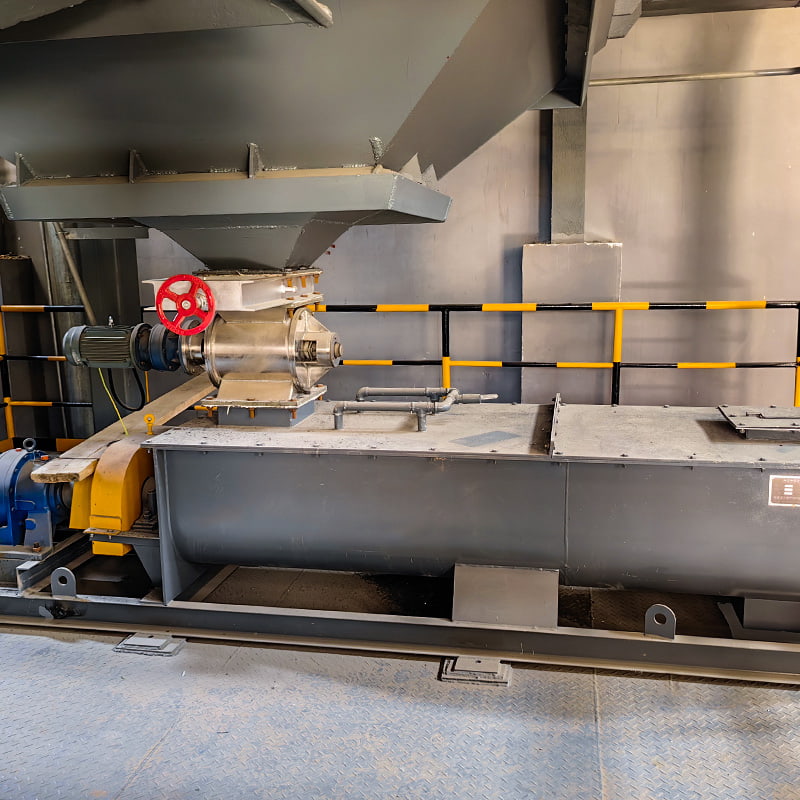
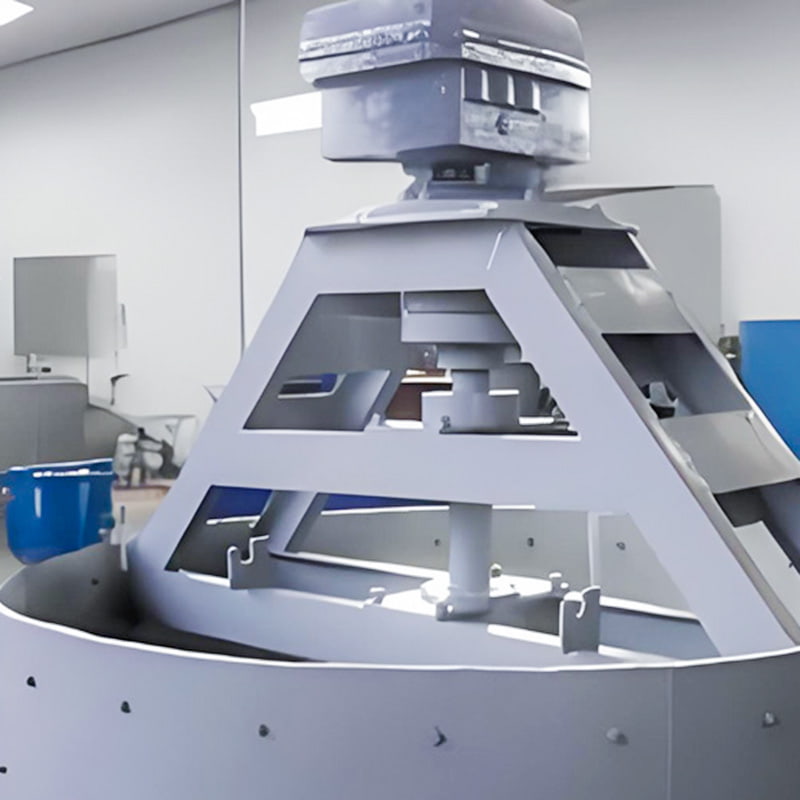
In the industrial sector, industrial mixing and agitation equipment is a core component that ensures efficient production processes. Its design and performance directly impact the quality, stability, and production efficiency of industrial products. To address the high viscosity, hardness, and corrosive properties of industrial materials, this equipment utilizes high-strength materials (such as stainless steel and titanium alloys) and precision transmission mechanisms to handle a wide range of industrial material mixing needs, from powders and granules to high-viscosity slurries.
From a practical perspective, industrial mixing and agitation equipment is a key enabler for industrial process upgrades. In heavy industries such as metallurgy and mining, it is used to stir ore slurries and mix reagents, improving mineral flotation efficiency. In the energy industry, mixing biomass fuels and mixing asphalt rely on specialized equipment to ensure uniform composition, enhancing combustion efficiency or workability. In the production of new materials, the dispersion of nanomaterials and the mixing of composite materials require high-precision mixing equipment to ensure uniform microstructure. In addition, industrial-grade industrial mixing and agitation equipment can effectively solve problems such as material sticking to the wall and mixing dead corners in industrial production by optimizing the shape of the mixing blades (such as anchor type, frame type, and propeller type), reducing material loss. At the same time, it can adapt to extreme industrial environments such as high pressure and high temperature, providing reliable protection for safe production in high-risk industries such as chemical and petrochemical industries. It is an important equipment for achieving cost reduction and efficiency improvement in industrial modernization production.
About Us
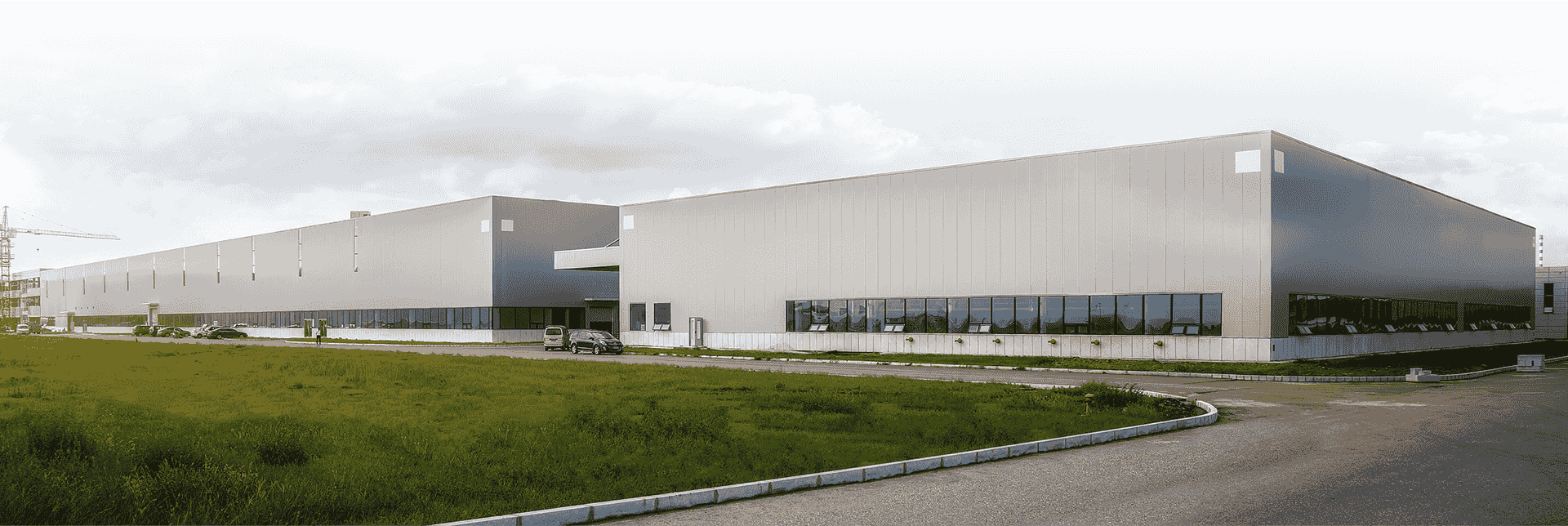
Nantong Alisen Environmental Protection Technology Co., Ltd.
Nantong Alisen Environmental Protection Technology Co., Ltd. is a China Industrial Mixing and Agitation Equipment Supplier for Fertilizer/Powder Production Equipment and Wholesale Industrial Mixing and Agitation Equipment Company. Founded in 2007, Nantong Alisen Environmental Protection Technology Co., Ltd. is located in Qutang Town Industrial Park, Haian City, Jiangsu Province. It has two wholly-owned subsidiaries, namely Nantong Tengpeng Import and Export Co., Ltd. and Nantong Ailisen Environmental Protection Technology Co., Ltd. As a technology-oriented company focusing on fertilizer machinery and building materials machinery, we have been committed to the design and manufacturing of various types of fertilizer machinery and building materials machinery for many years.
The company boasts strong design and development capabilities, with its products covering a wide range and featuring high technological content. Many of its products lead the industry both domestically and internationally.
Its main products include Industrial Mixing and Agitation Equipment,rotary kilns, drum granulators, dryers, coolers, coating machines, crushers, conveyors, dust collectors and other equipment, which are widely used in major chemical fertilizer manufacturers. These products are applied in complete production lines for compound fertilizers, organic fertilizers, bulk blending fertilizers (BB fertilizers), potassium sulfate, etc.
With experienced technicians and mature process design concepts, the company can provide users with a full set of services, including process design for compound (mixed) fertilizer complete sets, equipment production, formula customization, equipment installation and on-site training. While supplying users with a full set of equipment, the company also provides technical upgrading and transformation services in terms of new production capacity and environmental protection for old fertilizer production enterprises.
Adhering to the business philosophy of "Customer First, Quality-Oriented, Reputation as Solid as a Tripod, and Service Supreme", the company strives to meet the personalized needs of customers and provide high-quality services. It takes customer satisfaction as the criterion for measuring the enterprise, thus winning the trust and support of a large number of customers. At the same time, we warmly welcome experts and colleagues at home and abroad to visit for guidance, discuss cooperation and create a better future together.
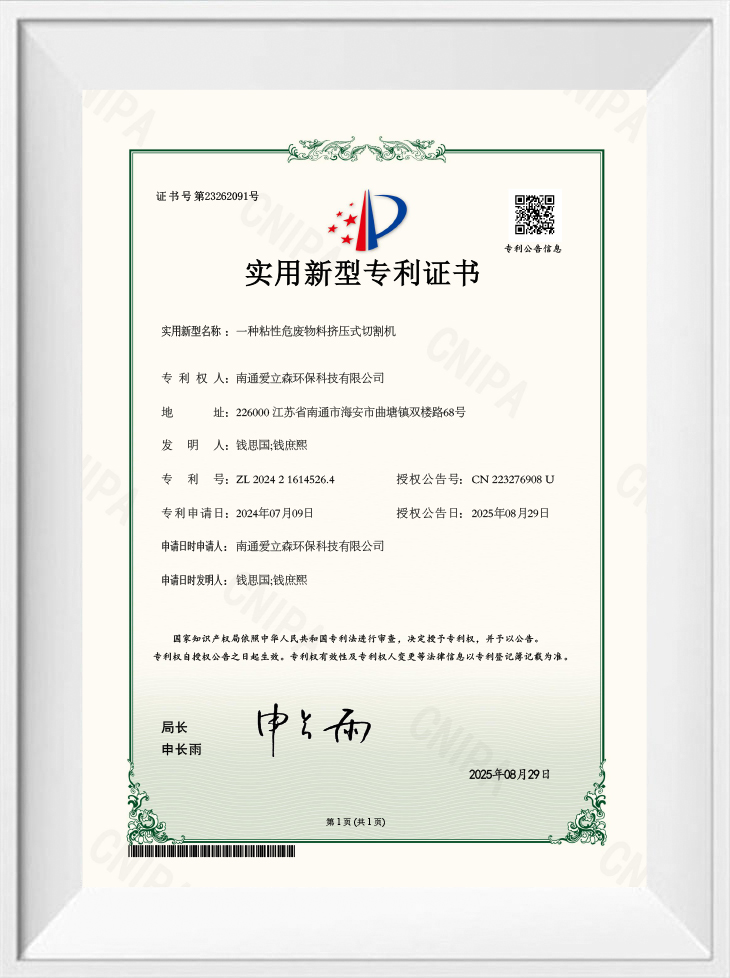
Certificate of Honor
News
-
Grinding ball mills are cylindrical rotating machines that use steel or ceramic balls as grinding media to crush and grind materials into fine powders through impact and attrition mechanisms. These essential industrial machines serve as the backbone of size reduction processes across mining, cement ...
READ MORE -
Operating a high-efficiency organic fertilizer production line involves a complex balance of biological processes and mechanical precision. The most common challenges include managing moisture content, ensuring complete fermentation, preventing equipment corrosion, and maintaining consistent granule...
READ MORE -
body {font-family: Arial, sans-serif; line-height: 1.6; font-size: 16px; margin: 20px;} h2 {margin-top: 30px; font-size: 22px;} h3 {margin-top: 25px; font-size: 20px;} p {margin-bottom: 15px;} ul {margin-bottom: 15px; padding-left: 20px;} table {width: 100%; border-collapse: collapse; margin-bottom...
READ MORE
Our Main Products
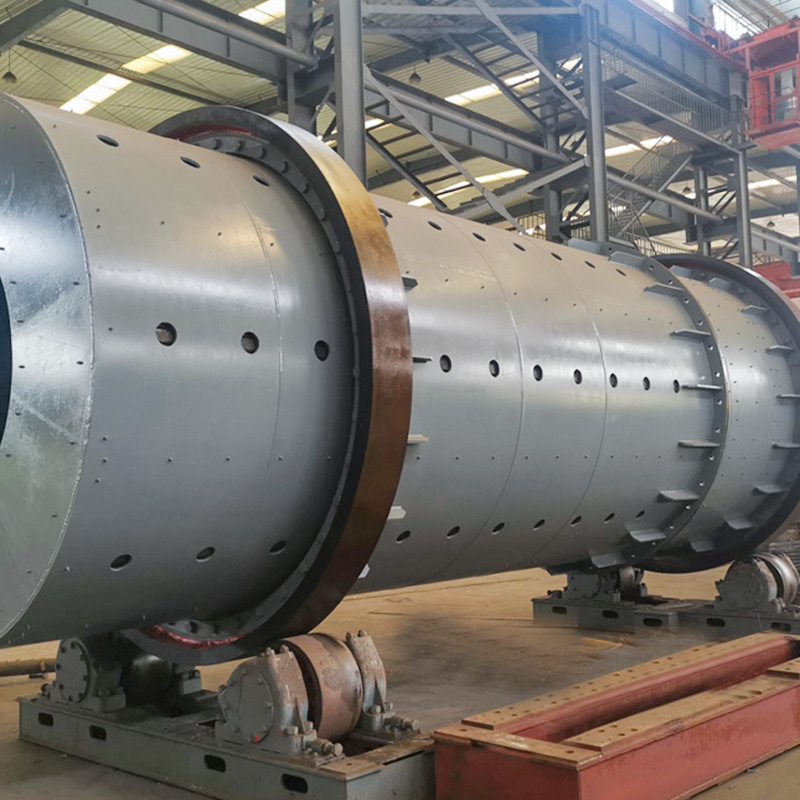
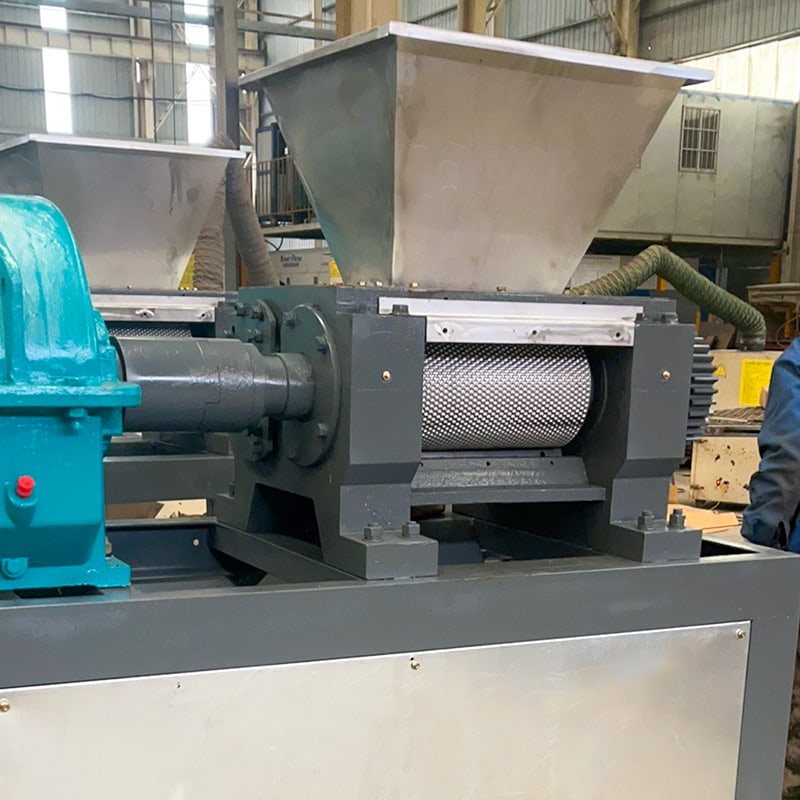
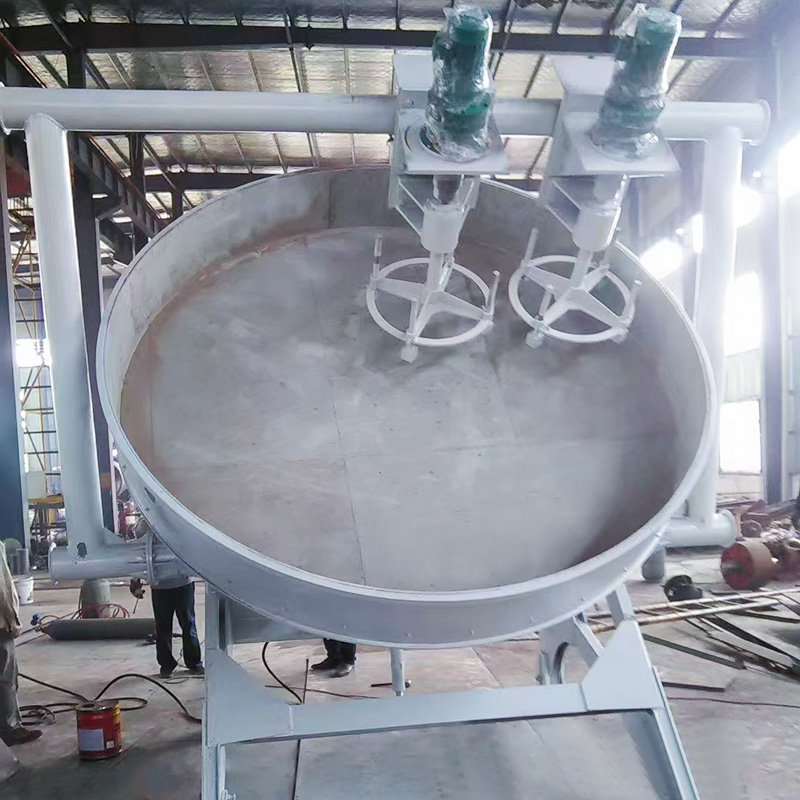
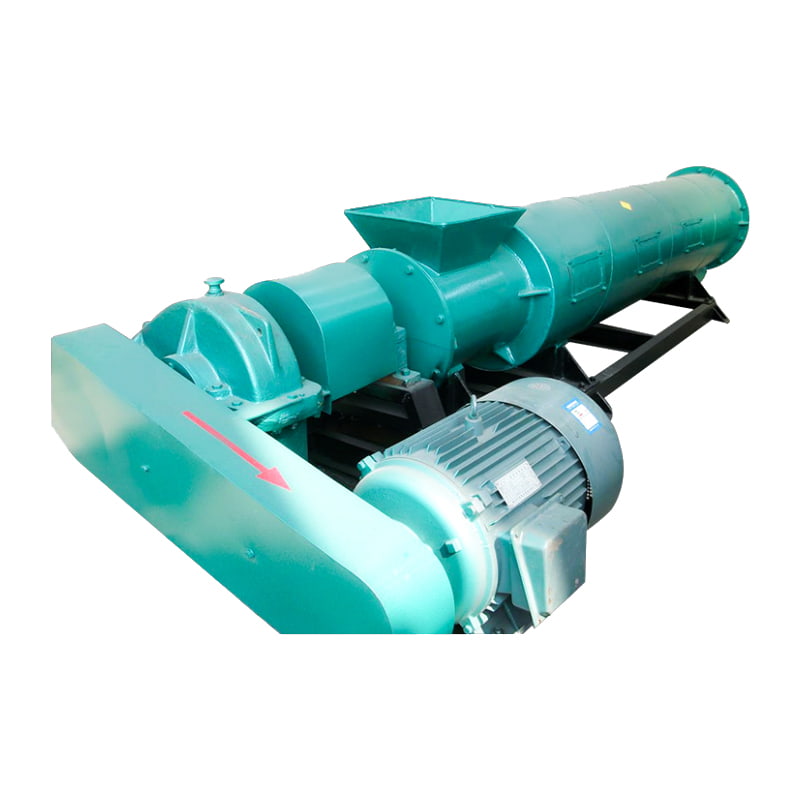
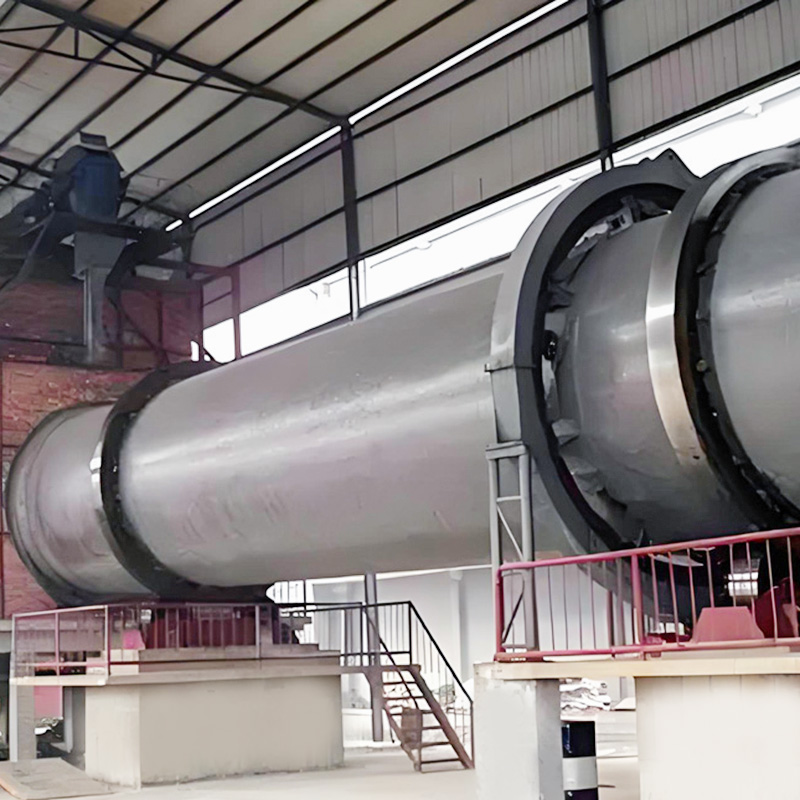
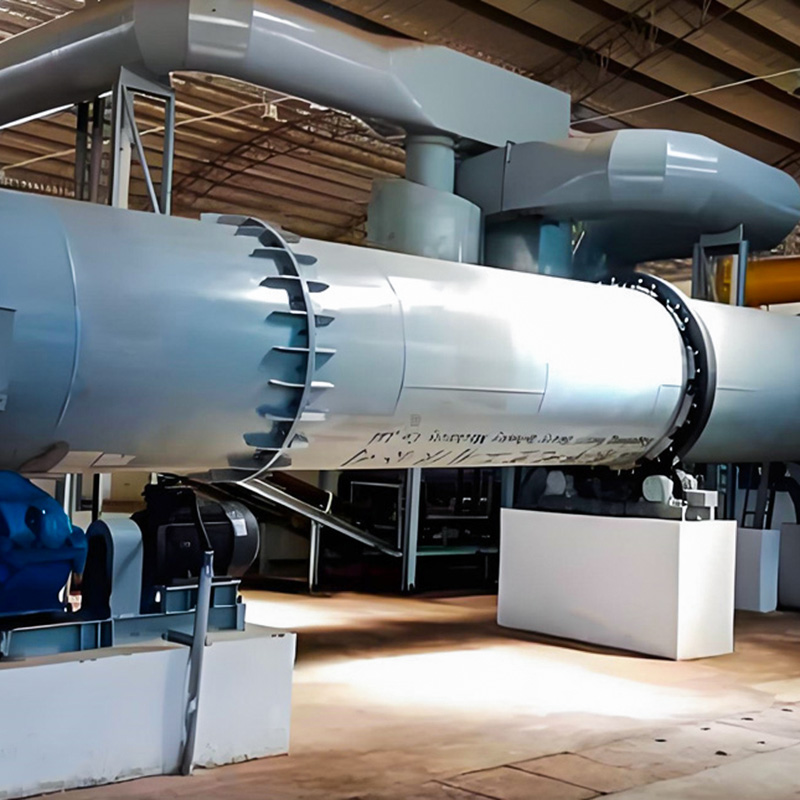
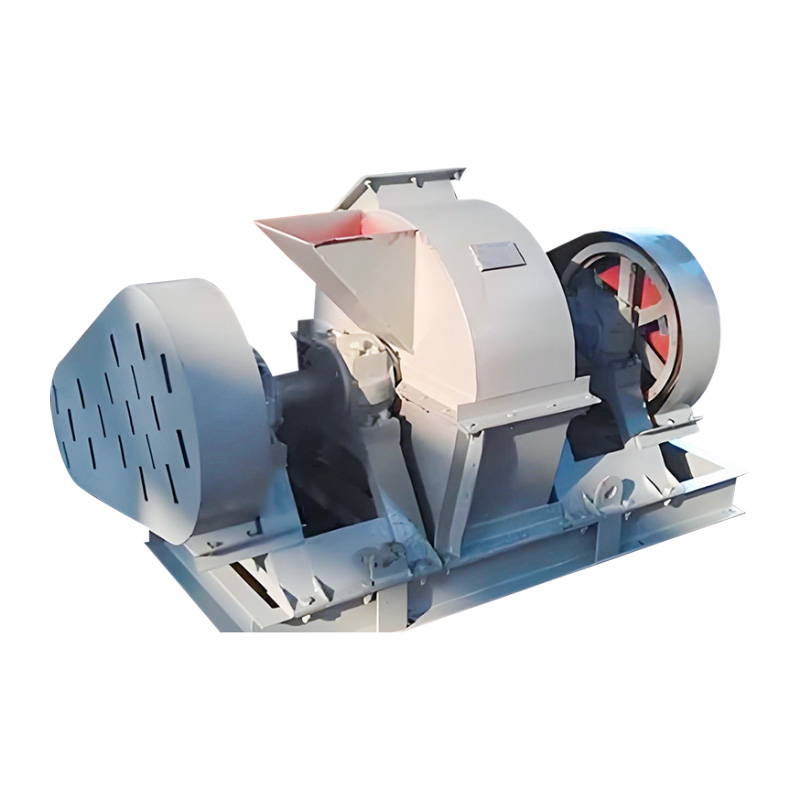
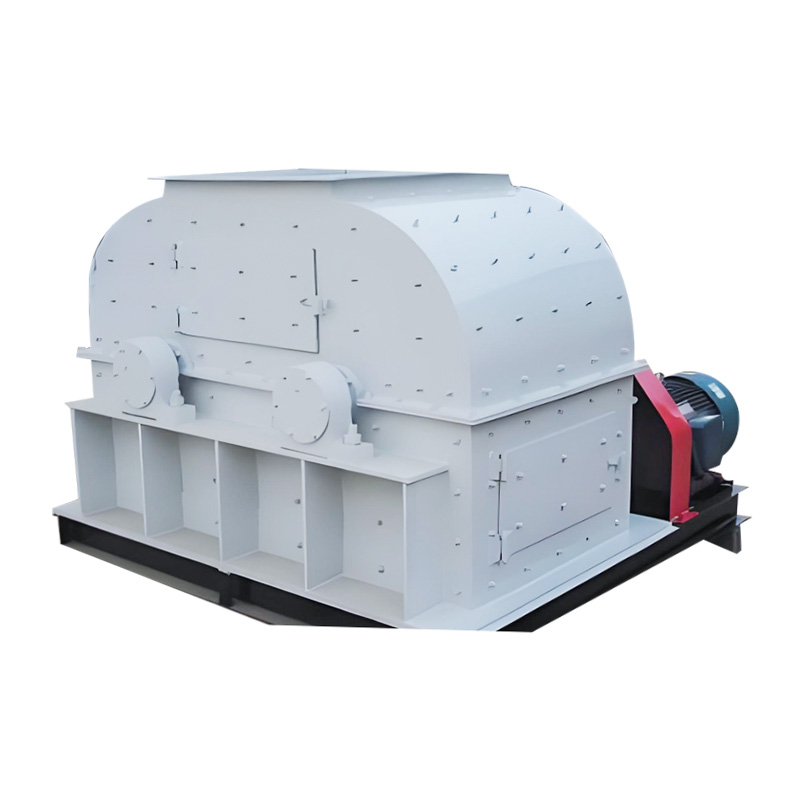
Industrial Mixing and Agitation Equipment for Fertilizer/Powder Production line Industry knowledge
Industrial Mixing and Agitation Equipment is widely used for blending powders, granules, liquids, and slurry materials in fertilizer production, building materials processing, and other industrial sectors. Industrial Mixing and Agitation Equipment focuses on stable mixing uniformity, material adaptability, mechanical reliability, and continuous operation. In fertilizer production lines supplied by companies such as Nantong Alisen Environmental Protection Technology Co., Ltd., these systems often work together with granulators, conveyors, dryers, and dust collection units to ensure consistent process quality.
Core Functions and Working Principles
Industrial Mixing and Agitation Equipment typically performs the following functions:
1. Homogeneous Mixing
Ensures uniform distribution of raw materials such as NPK powder, minerals, organic components, additives, or binders.
2. Material Conditioning
Adjusts moisture, density, and particle behavior to support downstream processes such as granulation, coating, or drying.
3. Continuous and Batch Operations
Different production lines require different operation modes. For example, compound fertilizer lines often adopt continuous mixers, while specialty additives may use batch mixers.
4. Mechanical Mixing Principles
Different mixer types operate on distinct principles:
| Mixer Type | Core Principle | Common Application |
|---|---|---|
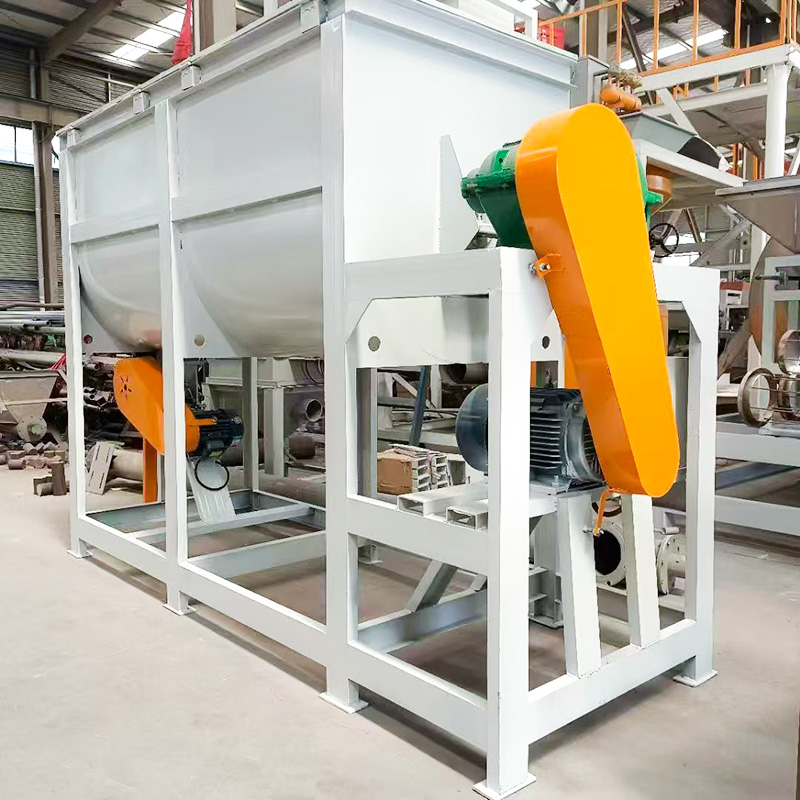
| Horizontal Ribbon Mixer | Twin helical ribbons generate counterflow movement for fast, uniform mixing | BB fertilizer mixing, building materials |
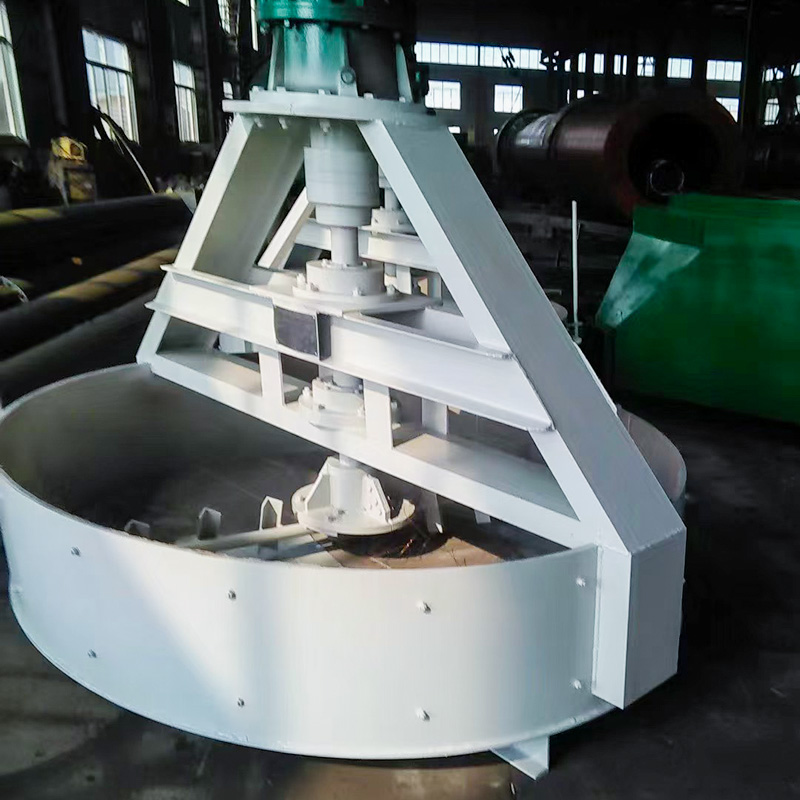
| Disc or Pan Mixer | Paddle arms push materials in circular motion for controlled blending | Organic fertilizer, granulation pre-mix |
| Vertical Mixer | Central screw lifts material upward while gravity creates downward flow | Powder fertilizers, feed materials |
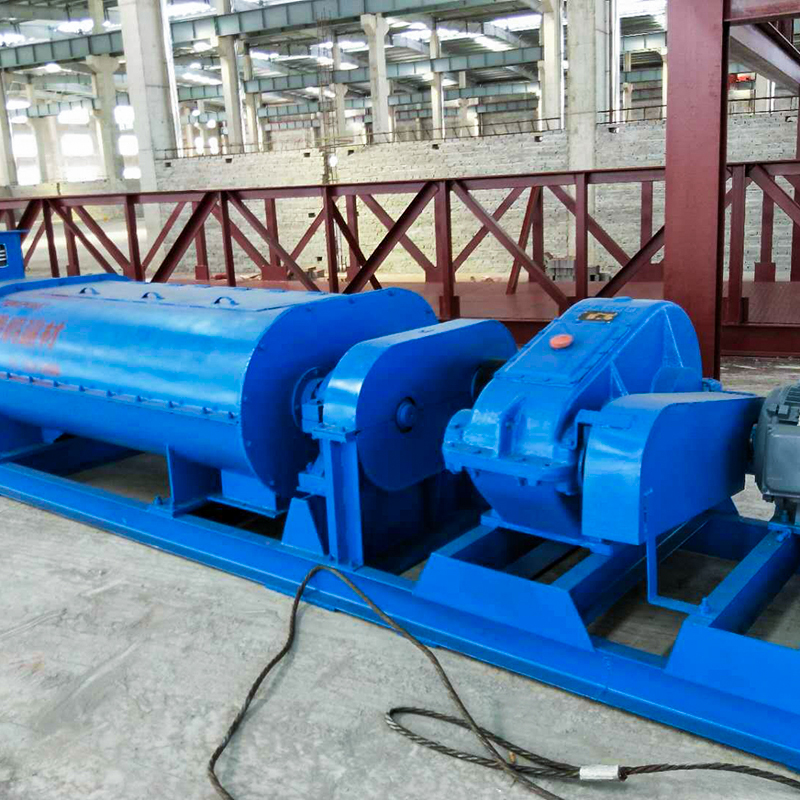
| Double-Shaft Mixer | Intermeshing shafts knead and homogenize wet or semi-wet materials | Wet mixing before granulation |
| Continuous Shaft Mixer | Steady, directional mixing along the shaft | Large-scale compound fertilizer lines |
In many fertilizer processing setups built by Nantong Alisen Environmental Protection Technology Co., Ltd., Industrial Mixing and Agitation Equipment is integrated into complete lines with granulators, rotary dryers, coolers, and dust collection systems.
Application Cases
-
Compound Fertilizer Production Line
Mixers ensure uniform blending of nitrogen, phosphorus, potassium, fillers, and conditioners. -
Organic Fertilizer Processing
Disc mixers combine decomposed organic matter with functional additives before granulation. -
Bulk Blending (BB) Fertilizer Plants
Ribbon mixers provide precise mixing without damaging particle structure. -
Building Materials
Used for blending cement, gypsum powder, stabilizers, pigments, or fine aggregates. -
Chemical and Mining Industries
Applied in slurry mixing, mineral conditioning, and binder incorporation.
Comparison of Major Mixing Equipment
| Parameter | Ribbon Mixer | Disc Mixer | Double-Shaft Mixer | Vertical Mixer |
|---|---|---|---|---|
| Material Type | Powder & granules | Powder / semi-wet | Wet / viscous | Dry powders |
| Mixing Speed | Fast | Medium | Medium–High | Medium |
| Mixing Uniformity | High | High | High | Medium |
| Moisture Handling | Low–medium | Medium | High | Low |
| Maintenance Requirements | Moderate | Low | Moderate–High | Low |
| Typical Use | BB fertilizer | Organic fertilizer | Granulation pre-mix | Powder blending |
Maintenance and Operation Guidelines
1. Mechanical Checks
-
Inspect mixing blades, paddles, ribbons, and shafts for wear.
-
Maintain proper lubrication of bearings, gearboxes, and drive assemblies.
2. Cleaning and Material Build-Up Control
-
Remove residue to ensure mixing uniformity.
-
Avoid corrosive environments that may shorten equipment lifespan.
3. Alignment and Sealing
-
Ensure shaft alignment to avoid vibration.
-
Maintain seals to prevent dust leakage, especially when combined with dust collection equipment.
4. Electrical and Safety Checks
-
Confirm motor performance, overload protection, and control panel function.
-
Install safety guards and ensure emergency stop functions are accessible.
FAQ
Q1: How to choose the appropriate type of Industrial Mixing and Agitation Equipment?
Selection depends on material moisture, granularity, mixing uniformity requirements, and production capacity. For example, BB fertilizer often uses ribbon mixers, while organic fertilizer production prefers disc mixers.
Q2: Can mixing equipment integrate with other fertilizer machinery?
Yes. In production systems provided by Nantong Alisen Environmental Protection Technology Co., Ltd., mixers are commonly connected with granulators, dryers, coolers, conveyors, and dust collectors.
Q3: What affects mixing uniformity?
Blade structure, rotational speed, mixing time, and material characteristics all influence uniformity.
Q4: How long is the typical service life?
Service life varies by material abrasiveness, operating intensity, and maintenance frequency.
Q5: Are mixing systems suitable for wet materials?
Wet or semi-wet materials generally require double-shaft mixers or specific heavy-duty paddles.

GET IN
TOUCH WITH US
TOUCH WITH US
-
 No.68, Shuanglou Road, Qutang Town, Haian City, Nantong, Jiangsu
 -
Tel:
 +86-13914355558/18994158908
 -
E-mail:
 tp@tp-machinery.com
