
 En
En
 English
  Français
  русский
  中文简体
中文简体  عربى
عربى  Español
Tengpeng
Tengpeng
Tengpeng
Tengpeng
Tengpeng
Tengpeng
Tengpeng
Tengpeng
Tengpeng
Tengpeng
Tengpeng
Tengpeng
Grinding Equipment
- Compound Fertilizer Production Line
- Grinding Equipment
- Material Feeding Equipment
- Dust Collection Equipment
- Drying Equipment
- Conveying Equipment
- Elevating Equipment
- Crushing Equipment
- Screening Equipment
- Industrial Mixing and Agitation Equipment
- Granulation Equipment
- Calcination Equipment
- Cooling Equipment
- Bulk and Packaging Equipment
Grinding Equipment Supplier
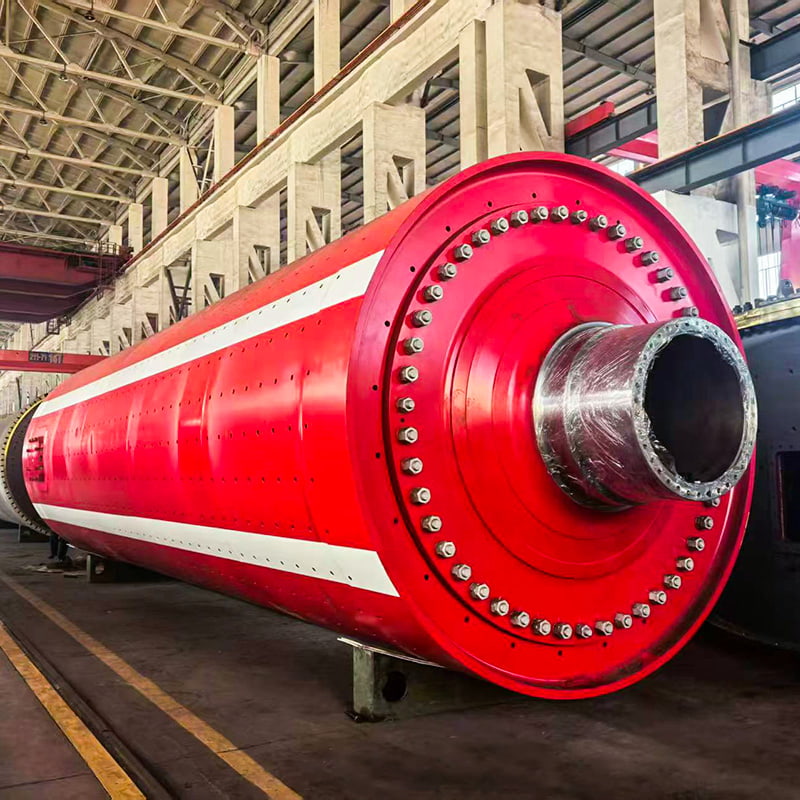

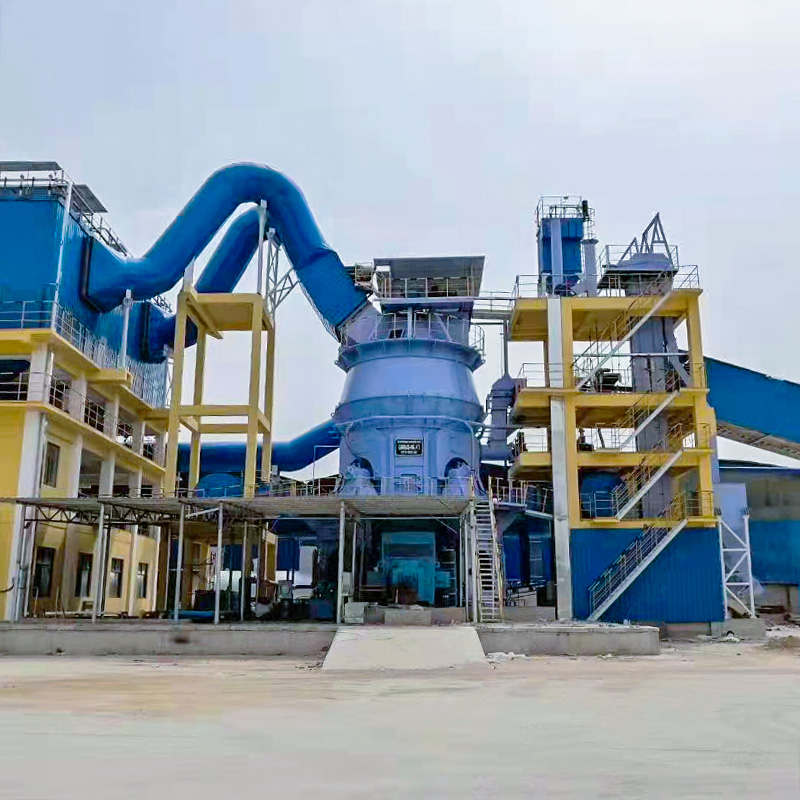
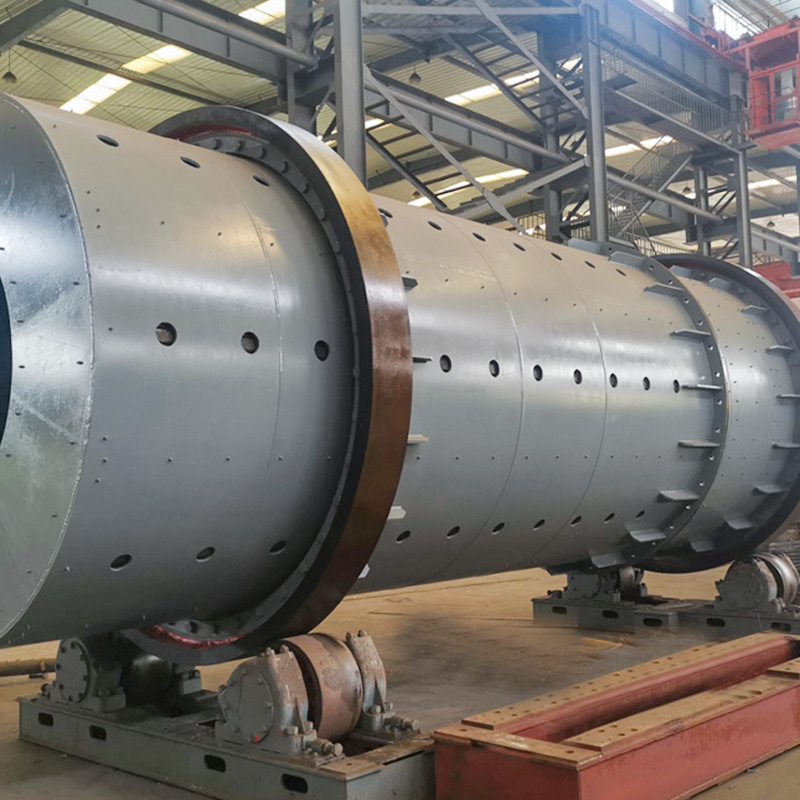
Grinding equipment is a critical component of industrial production systems, enabling the fine processing of materials. Its core function is to process various solid materials, such as ores, cement raw materials, pulverized coal, and slag, through specialized grinding processes to a specific fineness that meets subsequent production and processing standards and application performance requirements. Whether in coarse grinding pretreatment or ultrafine grinding, its performance directly determines the efficiency of material processing, the quality stability of the final product, and the control of energy costs during the production process, making it a crucial factor influencing the overall profitability of industrial production.
This type of equipment has an extremely broad application scope, encompassing a wide range of key industrial sectors, including cement production in the building materials industry, ore processing in the metallurgical industry, raw material refinement in the chemical industry, mineral processing in the mining industry, and pulverized coal production in the power industry. In the production processes of various industries, grinding equipment plays a key role in basic material processing, providing raw materials with the required particle size for subsequent core production processes such as forming, reaction, smelting, and combustion. It is an indispensable equipment type that ensures the smooth operation of the industrial production chain and helps achieve efficient, stable, and energy-efficient operation in material processing.
About Us
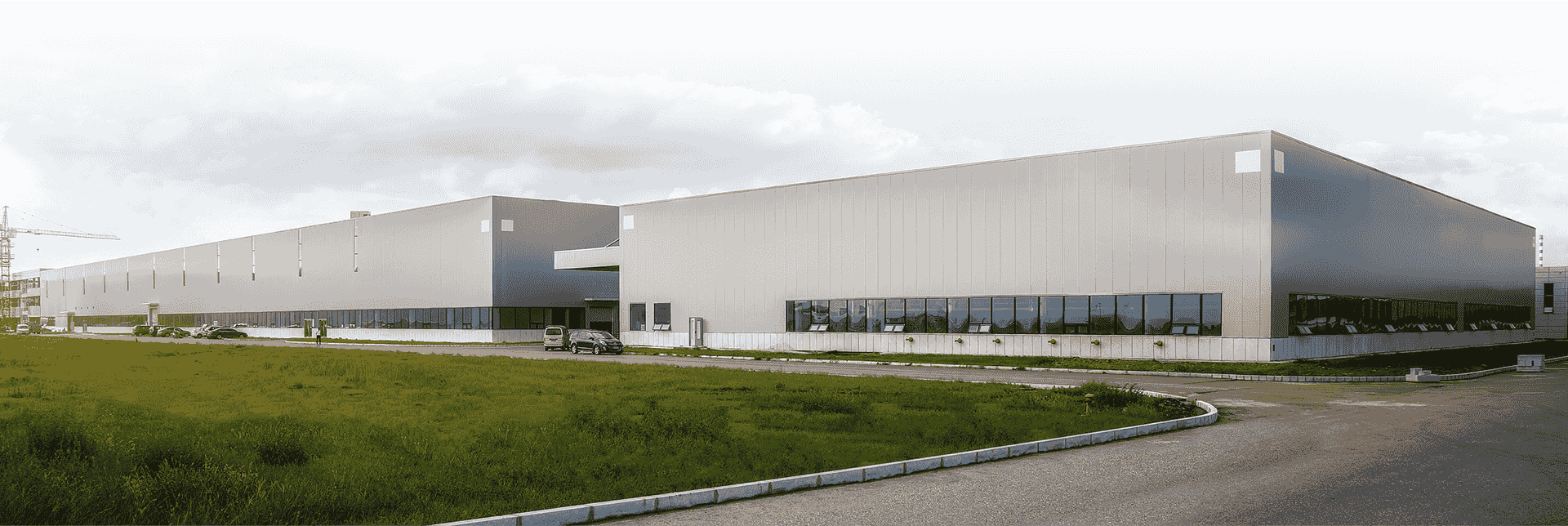
Nantong Alisen Environmental Protection Technology Co., Ltd.
Nantong Alisen Environmental Protection Technology Co., Ltd. is a China Grinding Equipment Supplier for Fertilizer/Powder Production Equipment and Wholesale Grinding Equipment Company. Founded in 2007, Nantong Alisen Environmental Protection Technology Co., Ltd. is located in Qutang Town Industrial Park, Haian City, Jiangsu Province. It has two wholly-owned subsidiaries, namely Nantong Tengpeng Import and Export Co., Ltd. and Nantong Ailisen Environmental Protection Technology Co., Ltd. As a technology-oriented company focusing on fertilizer machinery and building materials machinery, we have been committed to the design and manufacturing of various types of fertilizer machinery and building materials machinery for many years.
The company boasts strong design and development capabilities, with its products covering a wide range and featuring high technological content. Many of its products lead the industry both domestically and internationally.
Its main products include Grinding Equipment,rotary kilns, drum granulators, dryers, coolers, coating machines, crushers, conveyors, dust collectors and other equipment, which are widely used in major chemical fertilizer manufacturers. These products are applied in complete production lines for compound fertilizers, organic fertilizers, bulk blending fertilizers (BB fertilizers), potassium sulfate, etc.
With experienced technicians and mature process design concepts, the company can provide users with a full set of services, including process design for compound (mixed) fertilizer complete sets, equipment production, formula customization, equipment installation and on-site training. While supplying users with a full set of equipment, the company also provides technical upgrading and transformation services in terms of new production capacity and environmental protection for old fertilizer production enterprises.
Adhering to the business philosophy of "Customer First, Quality-Oriented, Reputation as Solid as a Tripod, and Service Supreme", the company strives to meet the personalized needs of customers and provide high-quality services. It takes customer satisfaction as the criterion for measuring the enterprise, thus winning the trust and support of a large number of customers. At the same time, we warmly welcome experts and colleagues at home and abroad to visit for guidance, discuss cooperation and create a better future together.
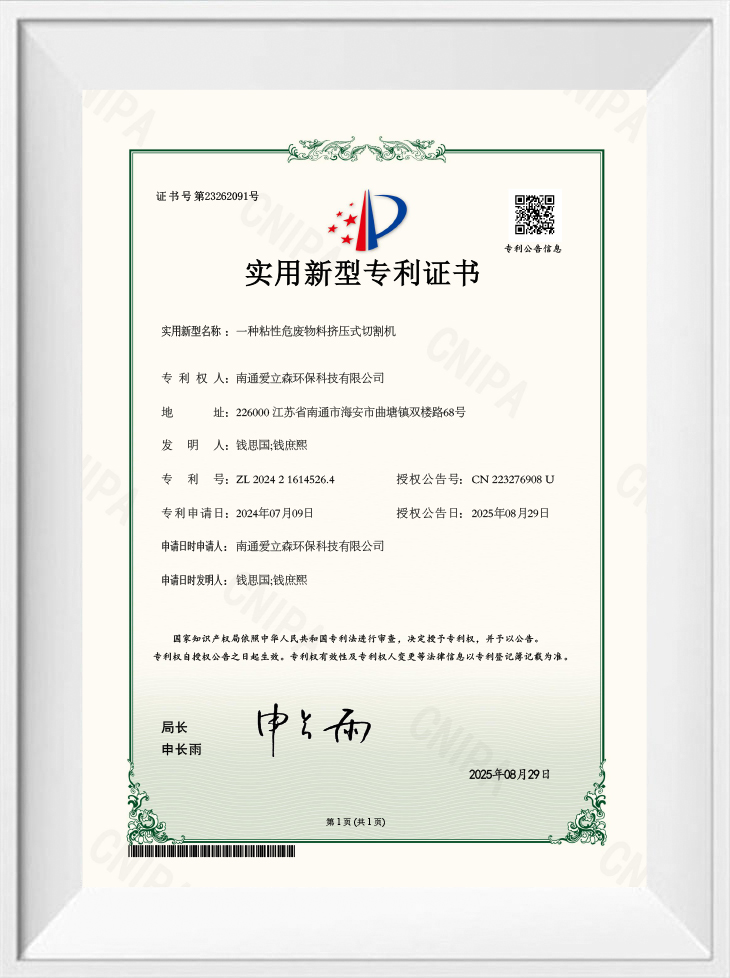
Certificate of Honor
News
-
Grinding ball mills are cylindrical rotating machines that use steel or ceramic balls as grinding media to crush and grind materials into fine powders through impact and attrition mechanisms. These essential industrial machines serve as the backbone of size reduction processes across mining, cement ...
READ MORE -
Operating a high-efficiency organic fertilizer production line involves a complex balance of biological processes and mechanical precision. The most common challenges include managing moisture content, ensuring complete fermentation, preventing equipment corrosion, and maintaining consistent granule...
READ MORE -
body {font-family: Arial, sans-serif; line-height: 1.6; font-size: 16px; margin: 20px;} h2 {margin-top: 30px; font-size: 22px;} h3 {margin-top: 25px; font-size: 20px;} p {margin-bottom: 15px;} ul {margin-bottom: 15px; padding-left: 20px;} table {width: 100%; border-collapse: collapse; margin-bottom...
READ MORE
Our Main Products
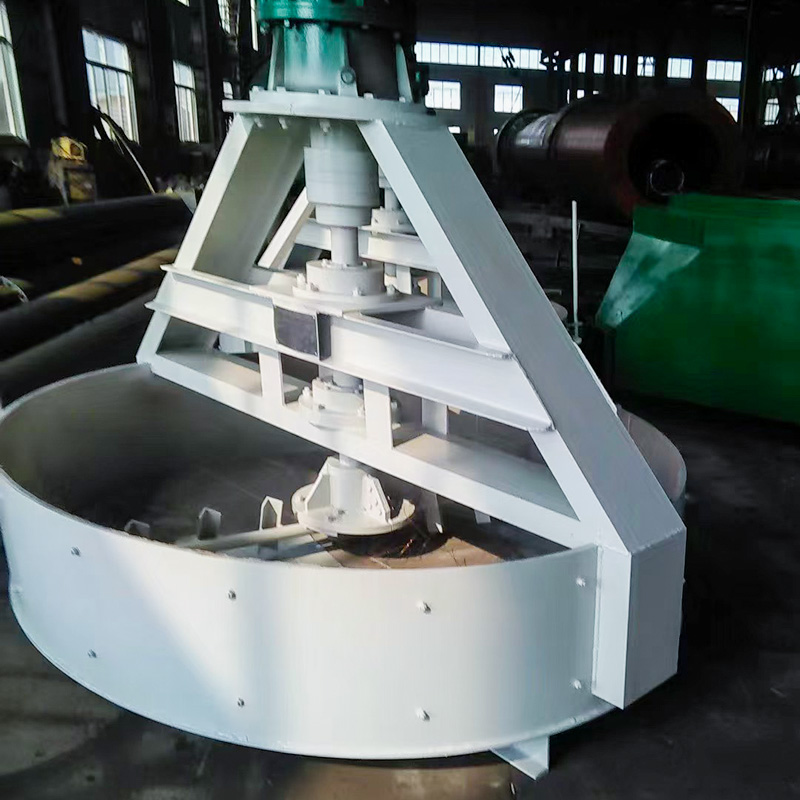
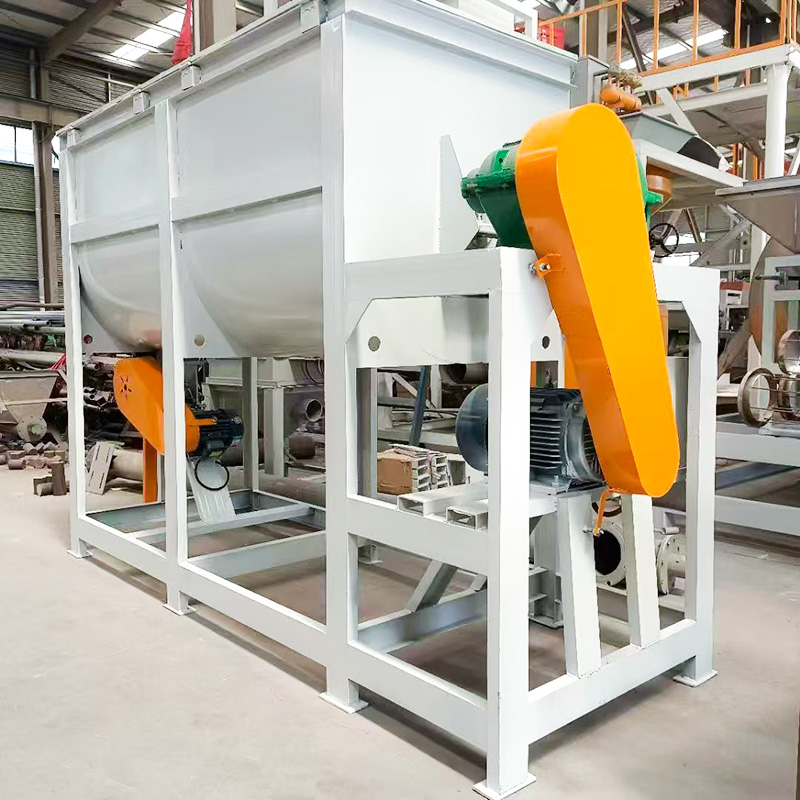
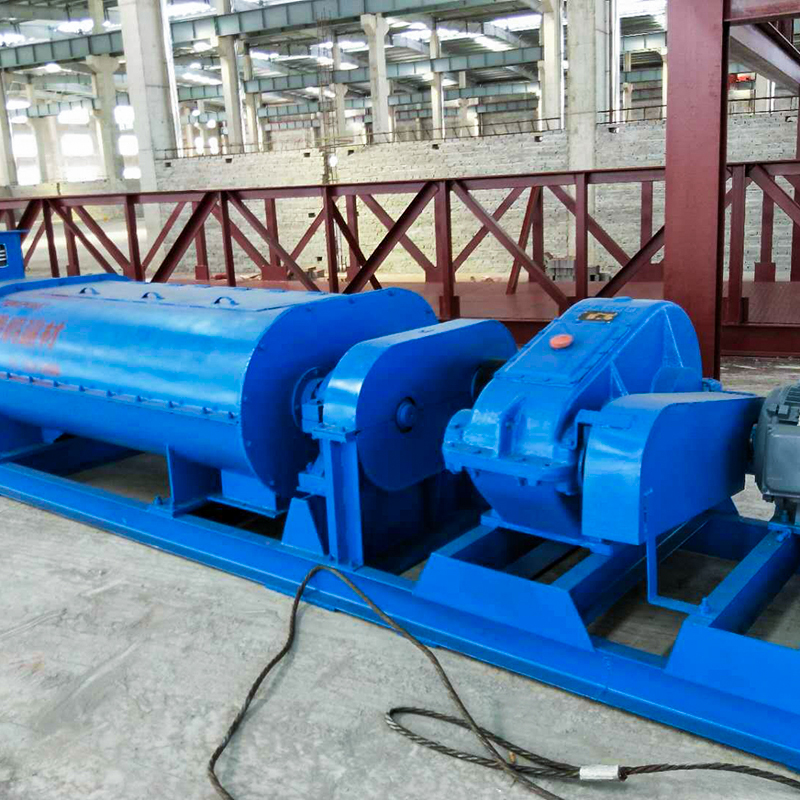
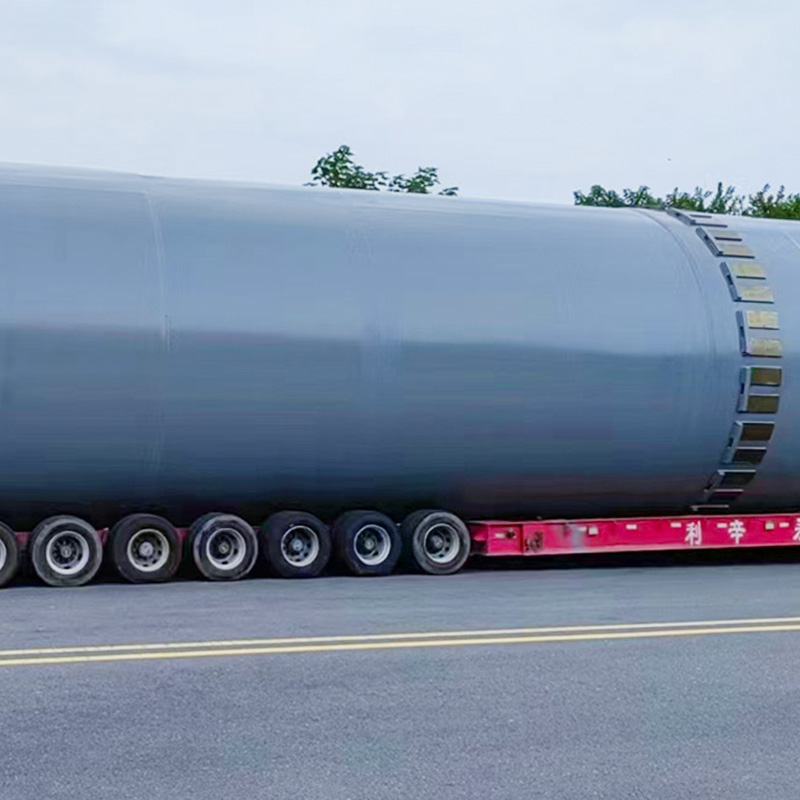
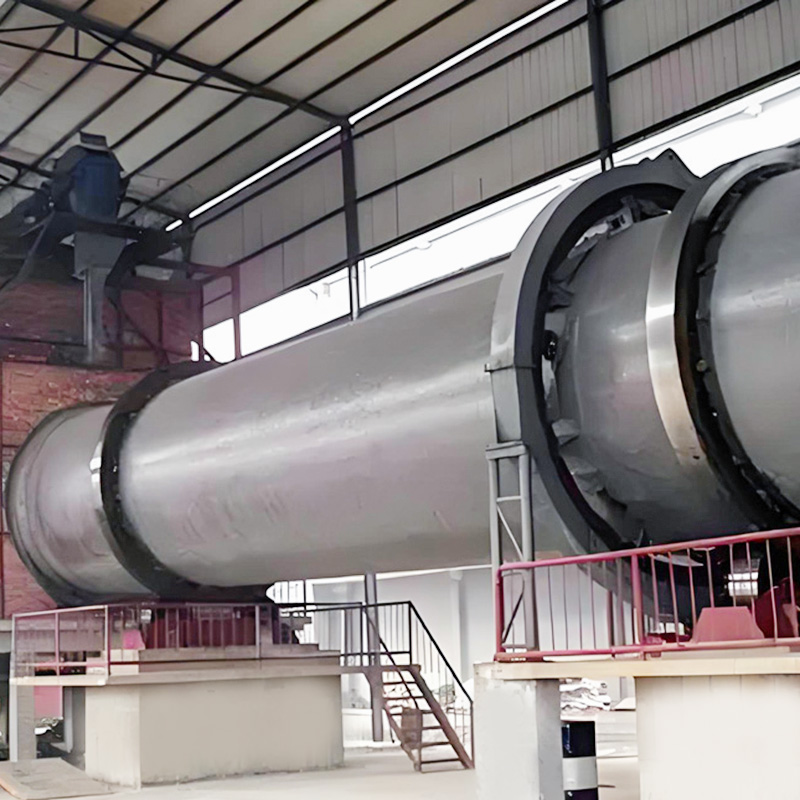
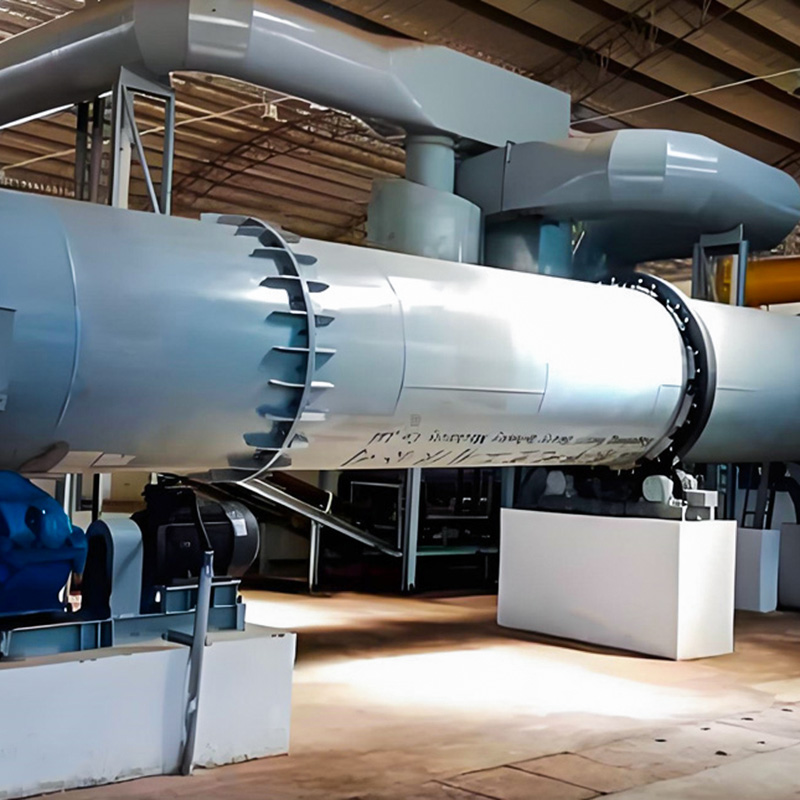
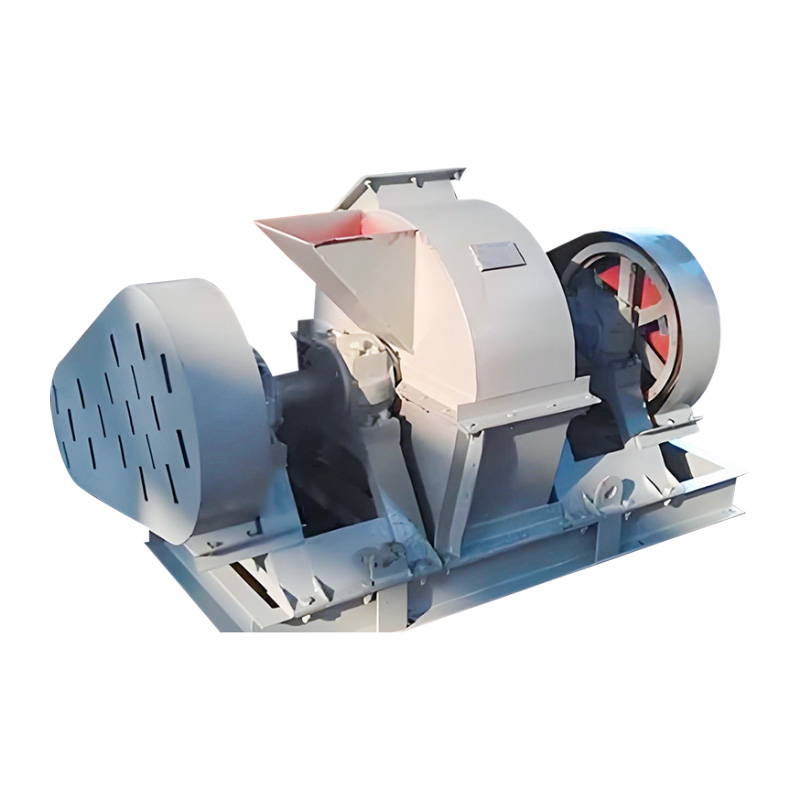
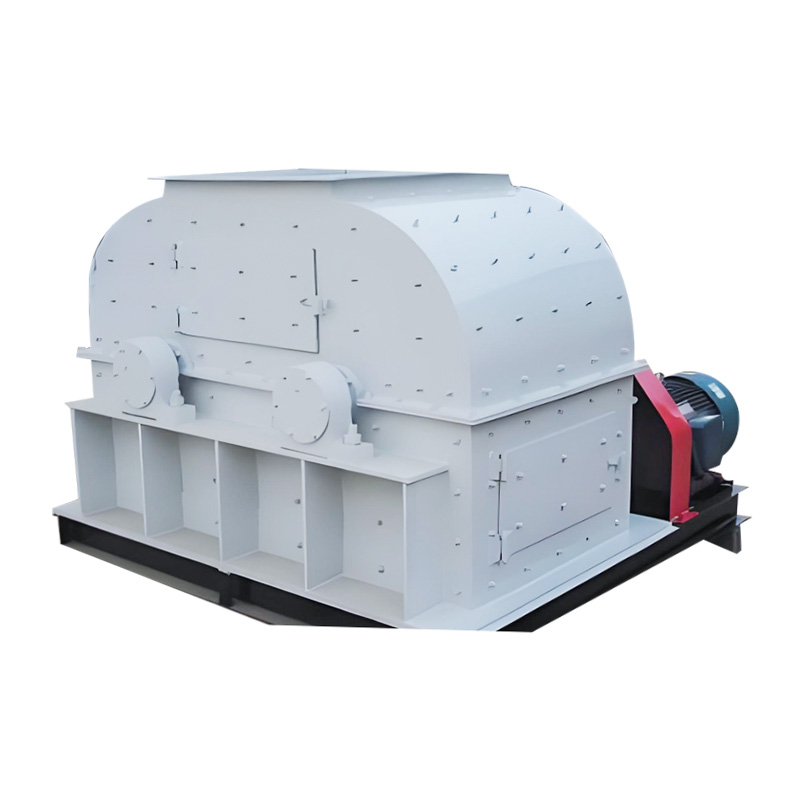
Grinding Equipment for Fertilizer/Powder Production line Industry knowledge
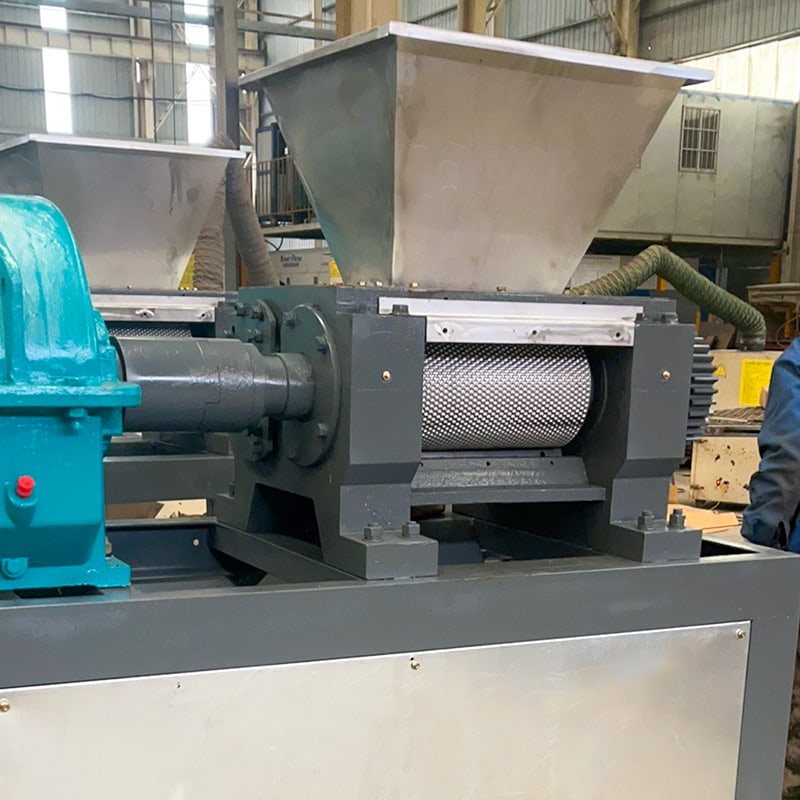
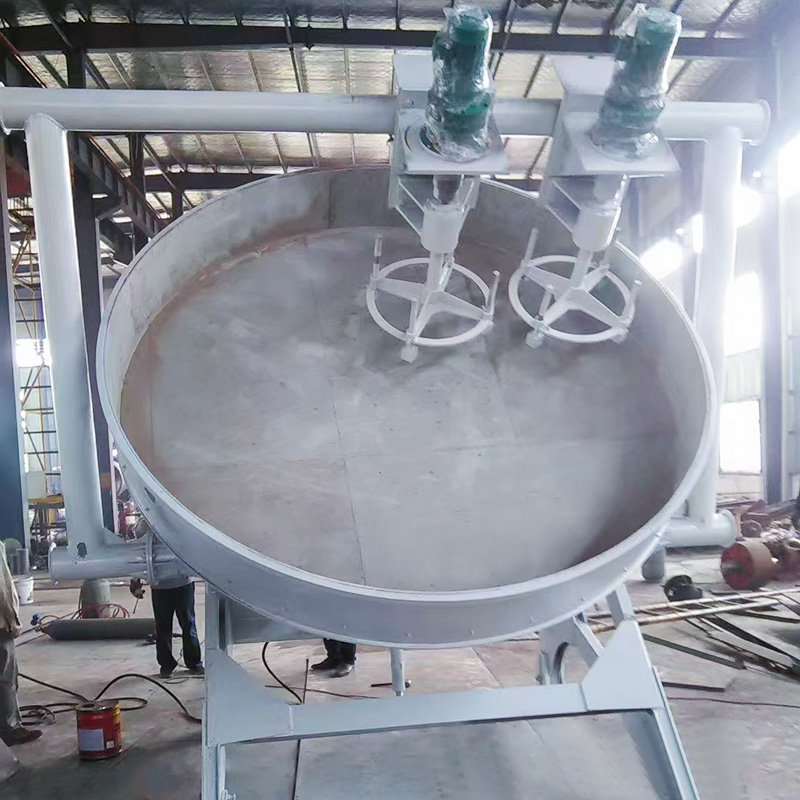
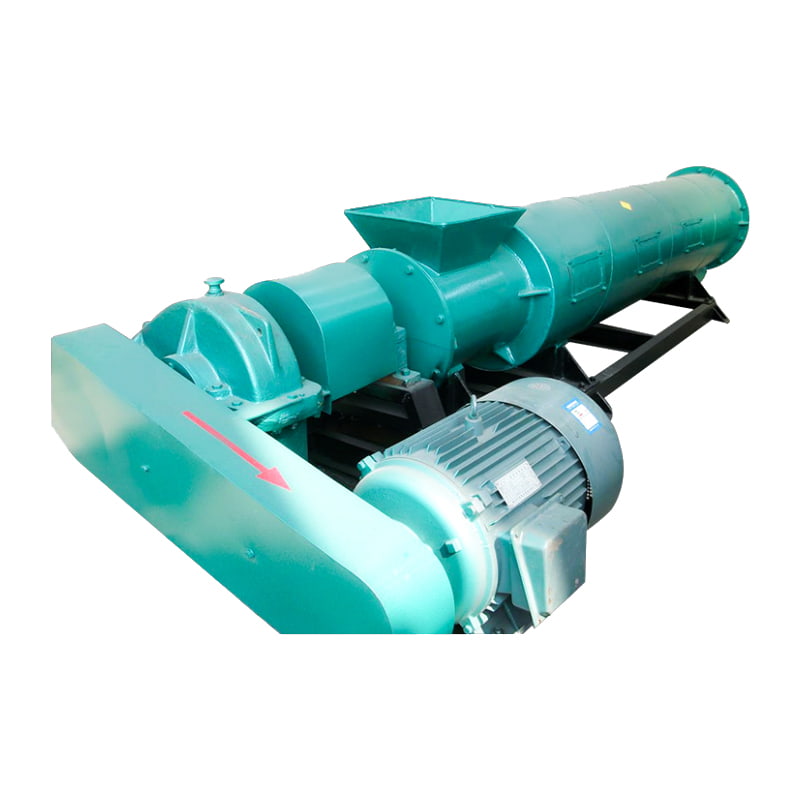
Grinding Equipment is a category of industrial machinery used to reduce material size, improve particle uniformity, and prepare raw materials for downstream processing in fertilizer production, building materials manufacturing, chemical engineering, and related industries. Grinding Equipment enables continuous material refinement, supports stable production processes, and ensures that powders, granules, and blended materials reach required specifications for mixing, granulating, or final packaging.
As a technology-oriented manufacturer established in 2007, Nantong Alisen Environmental Protection Technology Co., Ltd., located in Qutang Town Industrial Park, Haian City, Jiangsu Province, integrates design, manufacturing, and engineering support for fertilizer machinery and building materials machinery. The company's product system includes rotary kilns, drum granulators, dryers, coolers, coating machines, crushers, conveyors, and dust collectors, which are widely applied in compound fertilizer production lines, organic fertilizer lines, BB fertilizer lines, and potassium sulfate production. Grinding Equipment is an essential component in these integrated solutions, ensuring raw material consistency and processing efficiency.
1. Functions & Application Fields of Grinding Equipment
Grinding Equipment is used to achieve the following functions:
Material Size Reduction
Transforms large blocks or agglomerates into fine powder or controlled-size particles to meet formulation or process requirements.
Particle Uniformity Control
Ensures raw materials possess stable particle distribution, supporting accurate batching, granulation, and reaction efficiency.
Surface Area Improvement
Enhances raw material surface area to improve chemical reaction rates in fertilizer processing or additives blending.
Pre-Processing for Production Lines
Acts as an upstream step for granulators, mixers, dryers, and coating machines used in fertilizer and building materials systems.
Typical Application Fields
-
Compound fertilizer production
-
Organic fertilizer processing
-
Bulk blending fertilizer (BB) systems
-
Chemical additives and mineral materials
-
Building materials such as cement, gypsum, and slag
-
Industrial raw material preparation and recycling
2. Core Performance Characteristics
Grinding Equipment typically exhibits the following performance features:
Stable Mechanical Structure
Ensures continuous operation with predictable output particle size.
Uniform Grinding Efficiency
Supports consistent feed-in and discharge, enabling stable downstream processes such as granulation or mixing.
Wide Material Compatibility
Handles various materials including urea, ammonium sulfate, phosphate materials, organic raw matter, minerals, and building material powders.
Integration Support
Easily integrates into full-process production lines designed by Nantong Alisen Environmental Protection Technology Co., Ltd., including conveyors, dust collectors, and automatic control systems.
3. Product Highlights Across the Category
Though types of Grinding Equipment may differ (e.g., cage crushers, chain crushers, hammer mills, fine grinders), they share common advantages:
-
Supports continuous or batch production
-
Reduces oversized materials to meet granulator feed-size requirements
-
Compatible with dust collection systems to maintain environmental compliance
-
Maintains steady throughput suitable for medium- and large-scale production lines
-
Reduces the risk of material blockage in downstream equipment
4. Comparison With Similar Categories
Grinding Equipment vs. Crushing Equipment
| Aspect | Grinding Equipment | Crushing Equipment |
|---|---|---|
| Purpose | Produces finer particles and powder-like materials | Reduces bulk material to coarse or medium-sized pieces |
| Output Size | Small particles or fine powder | Larger particle size |
| Integration | Often paired with granulators and mixers | Often used as initial size-reduction equipment |
| Application | Fertilizers, additives, minerals | Hard materials and bulk minerals |
Grinding Equipment often processes materials after preliminary crushing, serving as a mid- or final-stage size control device.
5. FAQ About Grinding Equipment
Q1: What materials can Grinding Equipment handle?
It is suitable for fertilizers, mineral powders, chemical raw materials, organic matter, and building materials.
Q2: Is Grinding Equipment necessary for all fertilizer production lines?
It is commonly used when raw materials require uniform particle size before granulation or mixing.
Q3: Does Grinding Equipment support automated production?
Yes. It can be integrated with conveyors, feeders, and dust collectors supplied by Nantong Alisen Environmental Protection Technology Co., Ltd.
Q4: What determines the output particle size?
Particle size depends on rotor speed, screen design, and material characteristics.
Q5: Is maintenance complicated?
Regular inspection of wear parts such as hammers, blades, or chains is required; maintenance routines depend on equipment type.
6. Technical Knowledge Extension
Particle Size and Granulation Efficiency
Uniformly ground materials improve granulation rate in drum granulators and disc granulators due to better mixing and surface contact.
Impact of Moisture on Grinding Efficiency
Higher moisture levels may affect grinding performance; some production lines incorporate pre-drying or moisture control measures.
Environmental Control in Grinding Systems
Grinding stages generate fine dust, so dust collectors from Nantong Alisen Environmental Protection Technology Co., Ltd. are often integrated to maintain air quality and protect equipment.
7. Integration With Alisen’s Complete Production Line Solutions
Nantong Alisen Environmental Protection Technology Co., Ltd. provides Grinding Equipment as part of complete system engineering for fertilizer and building materials manufacturing. The equipment is designed to coordinate with rotary kilns, granulators, dryers, coolers, conveyors, and control systems, supporting stable production and standardized product output.

GET IN
TOUCH WITH US
TOUCH WITH US
-
 No.68, Shuanglou Road, Qutang Town, Haian City, Nantong, Jiangsu
 -
Tel:
 +86-13914355558/18994158908
 -
E-mail:
 tp@tp-machinery.com
