
 En
En
 English
  Français
  русский
  中文简体
中文简体  عربى
عربى  Español
Tengpeng
Tengpeng
Tengpeng
Tengpeng
Tengpeng
Tengpeng
Tengpeng
Tengpeng
Tengpeng
Tengpeng
Tengpeng
Tengpeng
Conveying Equipment
- Compound Fertilizer Production Line
- Grinding Equipment
- Material Feeding Equipment
- Dust Collection Equipment
- Drying Equipment
- Conveying Equipment
- Elevating Equipment
- Crushing Equipment
- Screening Equipment
- Industrial Mixing and Agitation Equipment
- Granulation Equipment
- Calcination Equipment
- Cooling Equipment
- Bulk and Packaging Equipment
Conveying Equipment Supplier
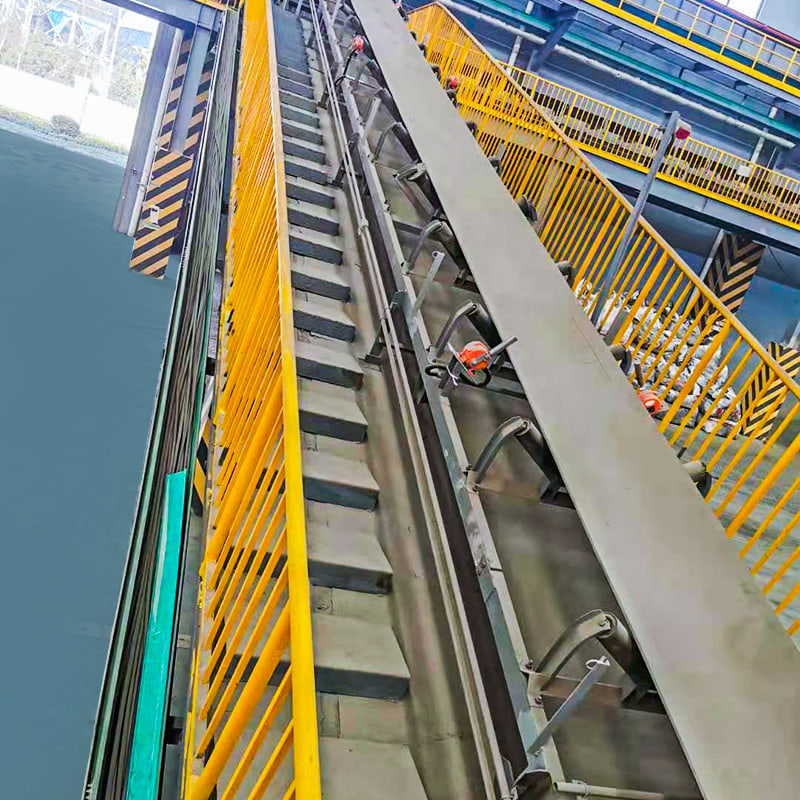
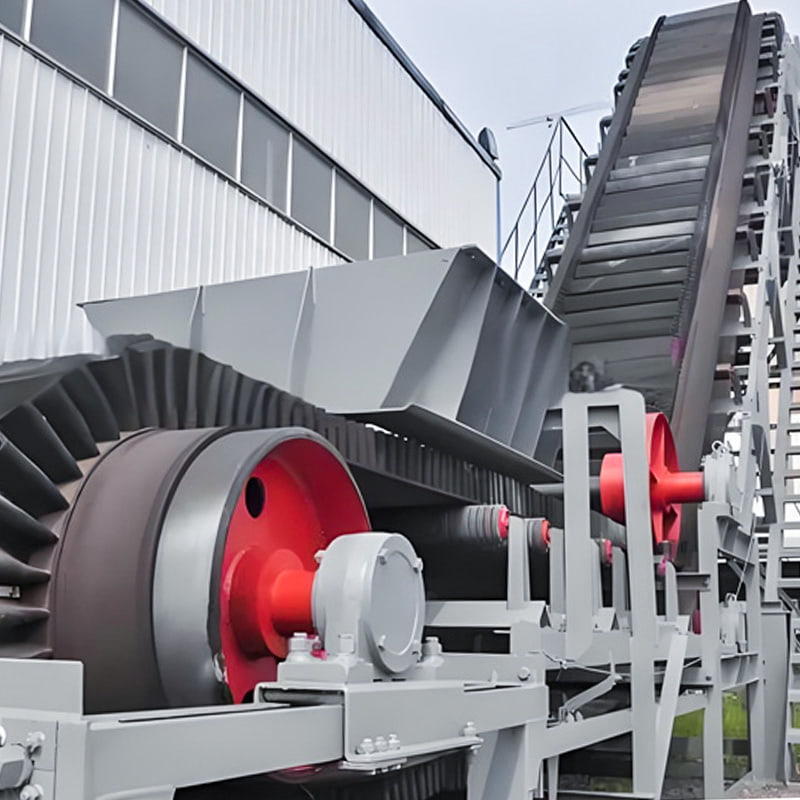


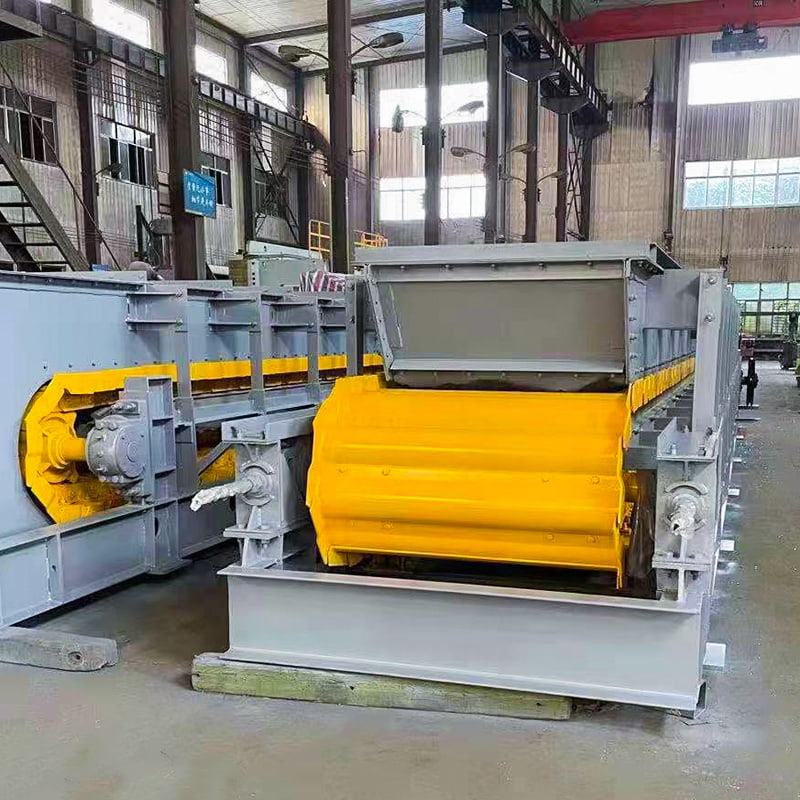
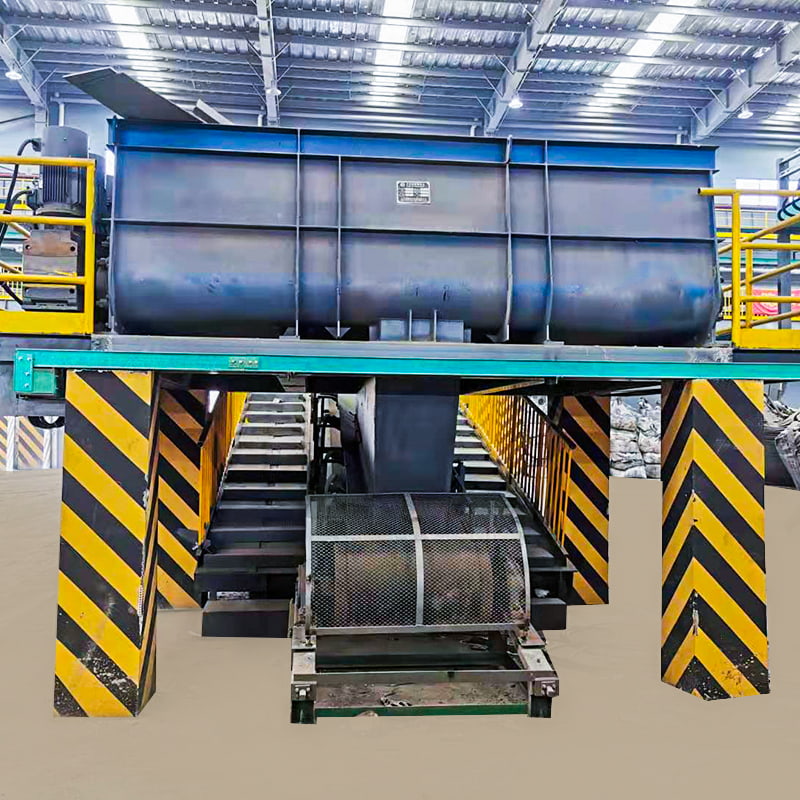
Conveying equipment refers to equipment that enables continuous or intermittent material transport through mechanical or pneumatic means, using devices such as conveyor belts, chains, pipes, and rollers. This type of equipment can handle a wide range of materials, including bulk materials such as coal, ore, and grain, as well as finished goods such as cartons, packages, and parts. It plays an indispensable role in various fields, including industrial production, logistics and warehousing, mining, and agricultural processing. Depending on the conveying method and structure, common conveying equipment includes belt conveyors, screw conveyors, chain conveyors, and pneumatic conveyors. Each of these conveying equipment utilizes unique designs to adapt to different working conditions.
In practical applications, the core function of conveying equipment is to improve material handling efficiency, reduce labor intensity, and ensure the stability and accuracy of the material transportation process. For example, in manufacturing production lines, conveying equipment can sequentially transport parts to various processing stations, ensuring smooth integration of automated production processes. In logistics warehouses, it can quickly sort, load, unload, and transfer goods, shortening cargo turnover times. In the mining and construction industries, large-scale conveying equipment can overcome terrain limitations and transport large quantities of bulk materials such as ore, sand, and gravel over long distances, reducing transportation costs. Furthermore, some specially designed conveying equipment features dustproof, explosion-proof, and corrosion-resistant features, meeting the stringent material handling requirements of industries such as food, pharmaceuticals, and chemicals.
About Us
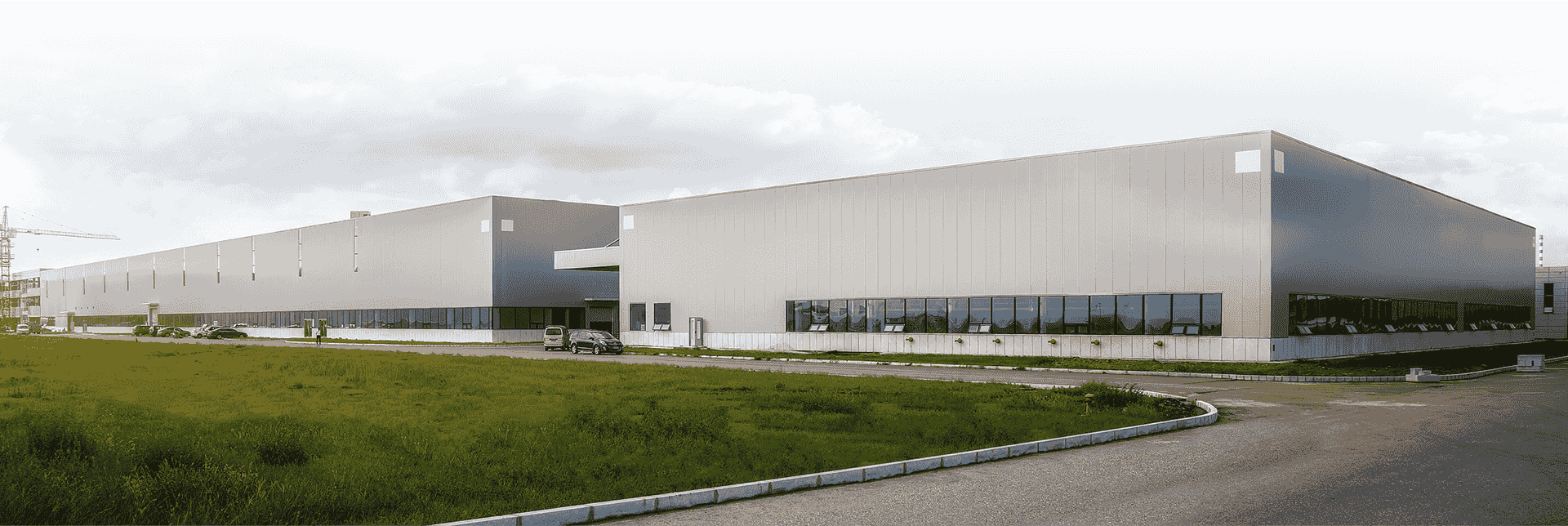
Nantong Alisen Environmental Protection Technology Co., Ltd.
Nantong Alisen Environmental Protection Technology Co., Ltd. is a China Conveying Equipment Supplier for Fertilizer/Powder Production Equipment and Wholesale Conveying Equipment Company. Founded in 2007, Nantong Alisen Environmental Protection Technology Co., Ltd. is located in Qutang Town Industrial Park, Haian City, Jiangsu Province. It has two wholly-owned subsidiaries, namely Nantong Tengpeng Import and Export Co., Ltd. and Nantong Ailisen Environmental Protection Technology Co., Ltd. As a technology-oriented company focusing on fertilizer machinery and building materials machinery, we have been committed to the design and manufacturing of various types of fertilizer machinery and building materials machinery for many years.
The company boasts strong design and development capabilities, with its products covering a wide range and featuring high technological content. Many of its products lead the industry both domestically and internationally.
Its main products include Conveying Equipment,rotary kilns, drum granulators, dryers, coolers, coating machines, crushers, conveyors, dust collectors and other equipment, which are widely used in major chemical fertilizer manufacturers. These products are applied in complete production lines for compound fertilizers, organic fertilizers, bulk blending fertilizers (BB fertilizers), potassium sulfate, etc.
With experienced technicians and mature process design concepts, the company can provide users with a full set of services, including process design for compound (mixed) fertilizer complete sets, equipment production, formula customization, equipment installation and on-site training. While supplying users with a full set of equipment, the company also provides technical upgrading and transformation services in terms of new production capacity and environmental protection for old fertilizer production enterprises.
Adhering to the business philosophy of "Customer First, Quality-Oriented, Reputation as Solid as a Tripod, and Service Supreme", the company strives to meet the personalized needs of customers and provide high-quality services. It takes customer satisfaction as the criterion for measuring the enterprise, thus winning the trust and support of a large number of customers. At the same time, we warmly welcome experts and colleagues at home and abroad to visit for guidance, discuss cooperation and create a better future together.
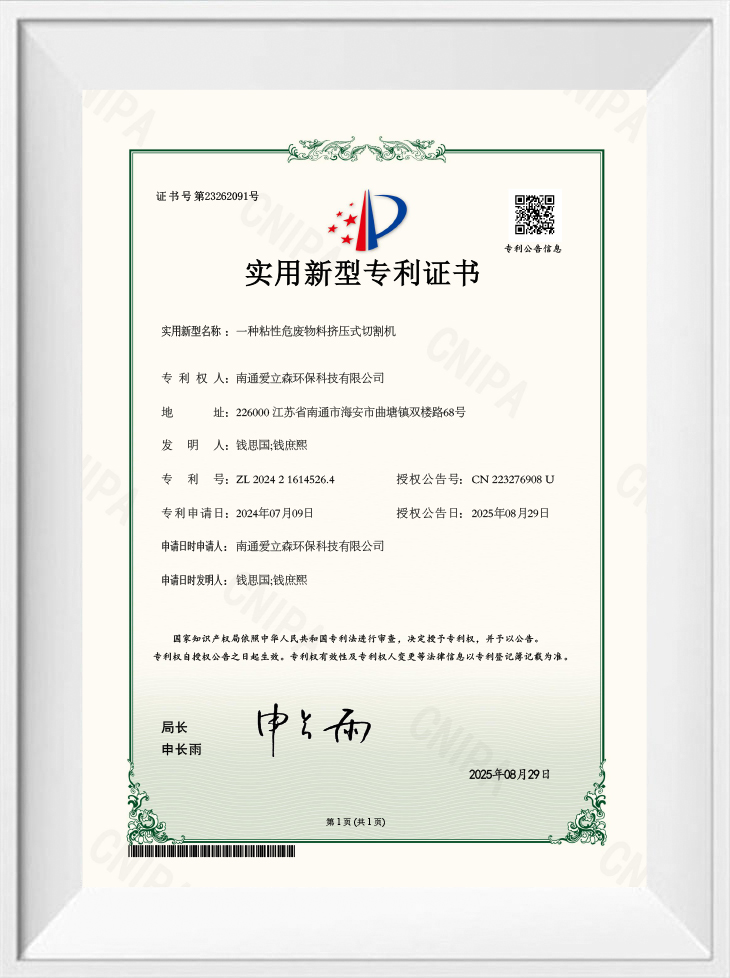
Certificate of Honor
News
-
Grinding ball mills are cylindrical rotating machines that use steel or ceramic balls as grinding media to crush and grind materials into fine powders through impact and attrition mechanisms. These essential industrial machines serve as the backbone of size reduction processes across mining, cement ...
READ MORE -
Operating a high-efficiency organic fertilizer production line involves a complex balance of biological processes and mechanical precision. The most common challenges include managing moisture content, ensuring complete fermentation, preventing equipment corrosion, and maintaining consistent granule...
READ MORE -
body {font-family: Arial, sans-serif; line-height: 1.6; font-size: 16px; margin: 20px;} h2 {margin-top: 30px; font-size: 22px;} h3 {margin-top: 25px; font-size: 20px;} p {margin-bottom: 15px;} ul {margin-bottom: 15px; padding-left: 20px;} table {width: 100%; border-collapse: collapse; margin-bottom...
READ MORE
Our Main Products
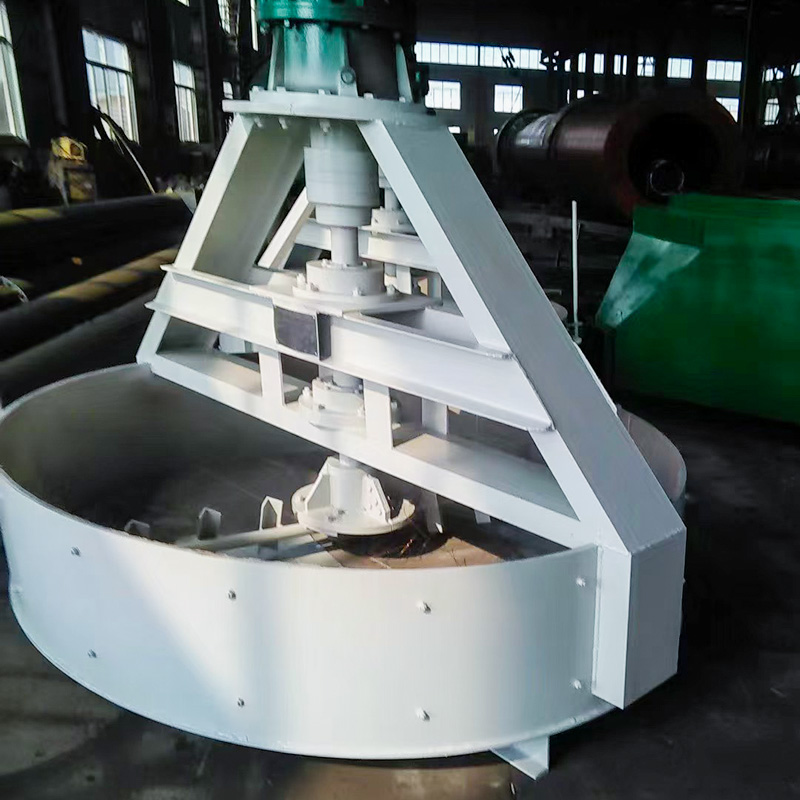
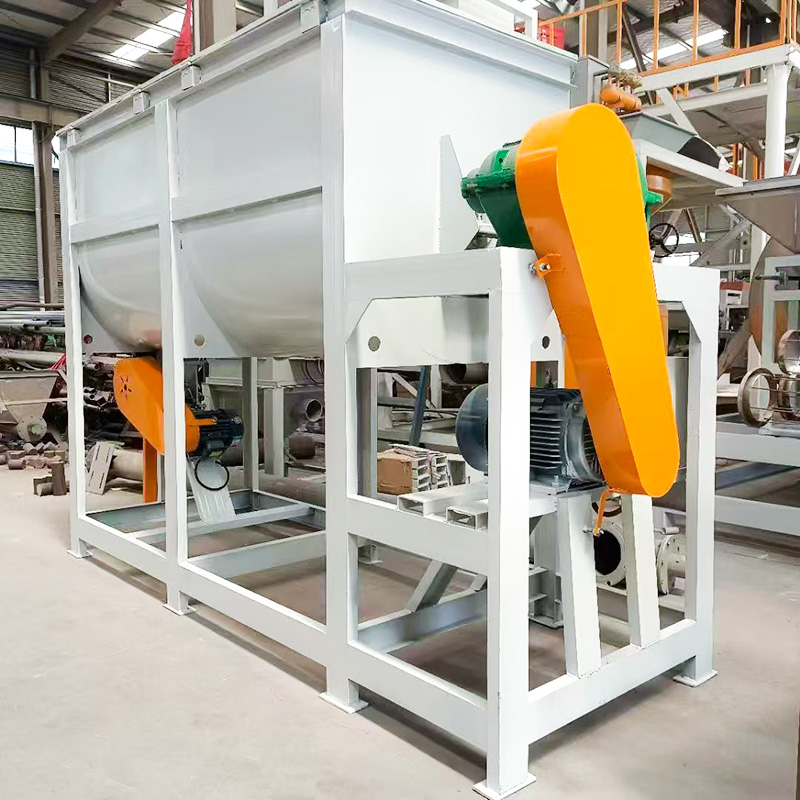
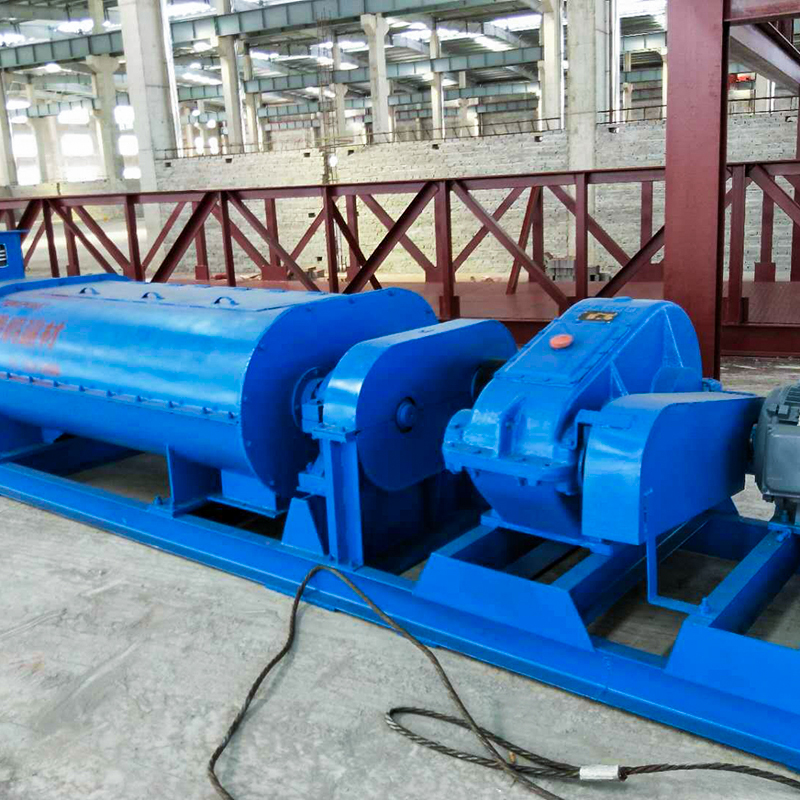
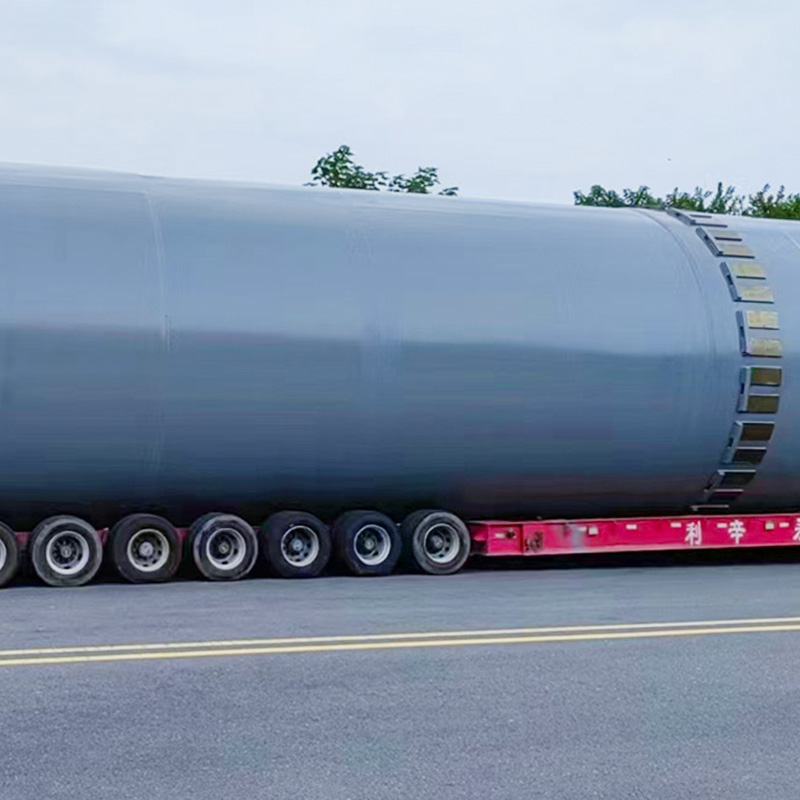
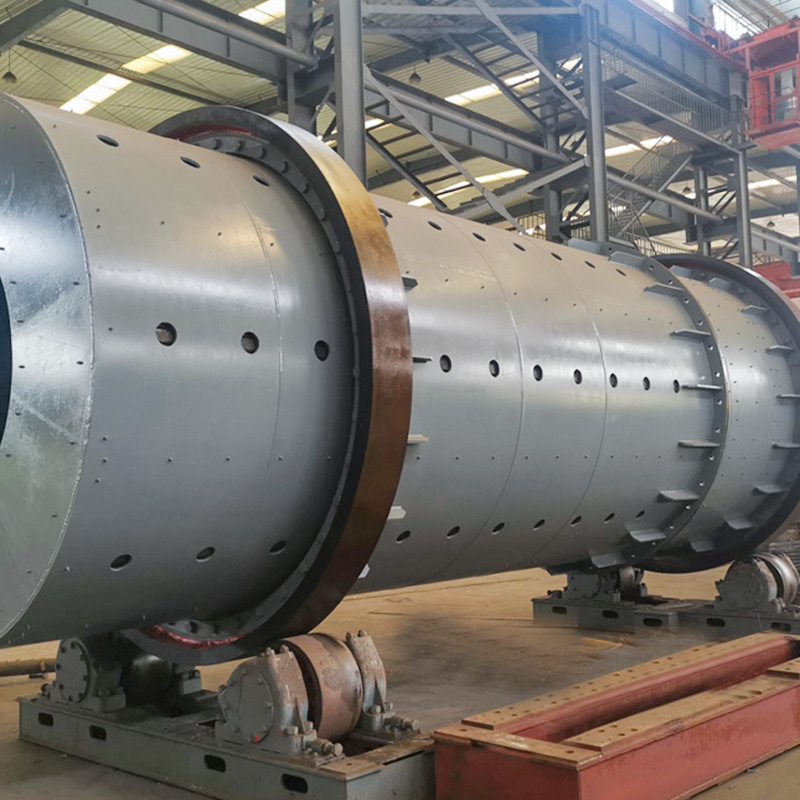
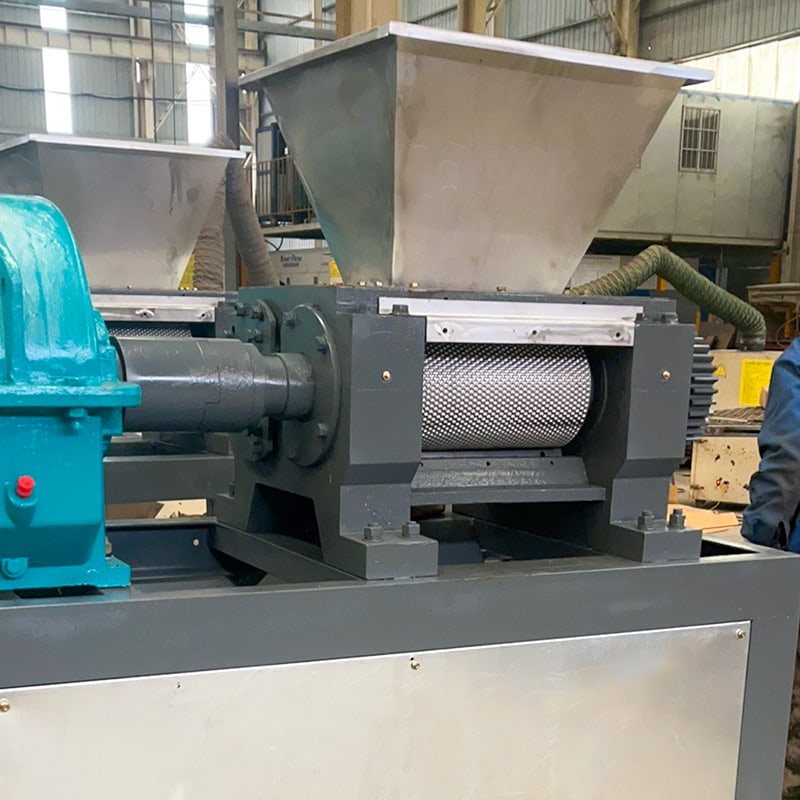
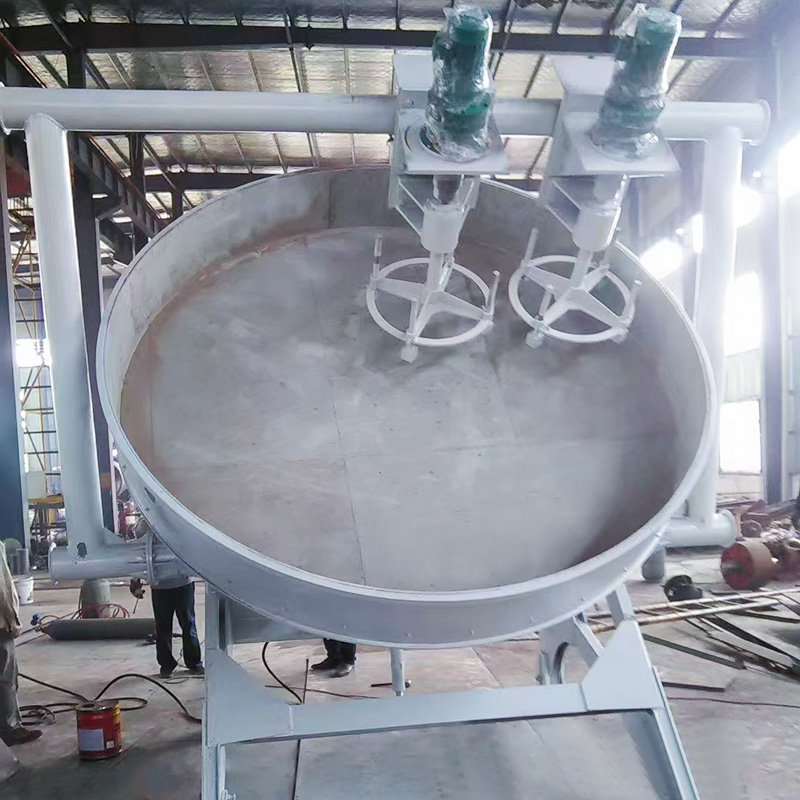
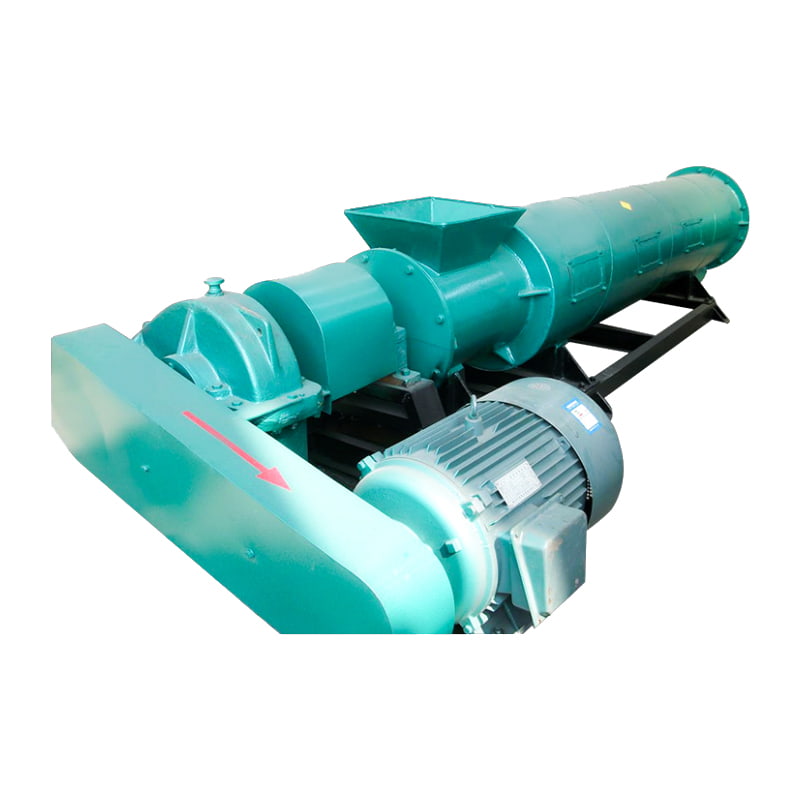
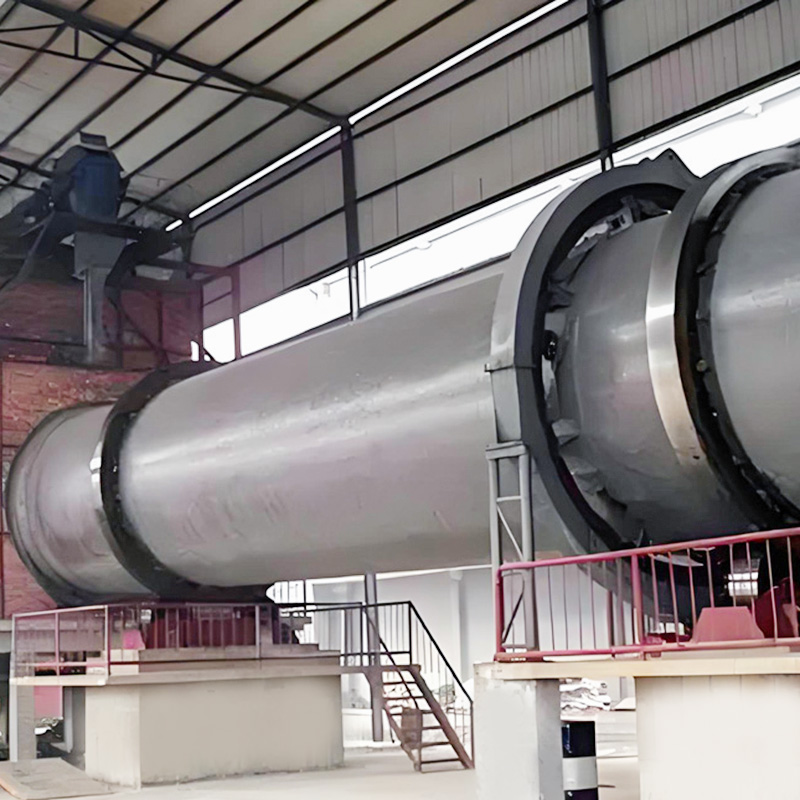
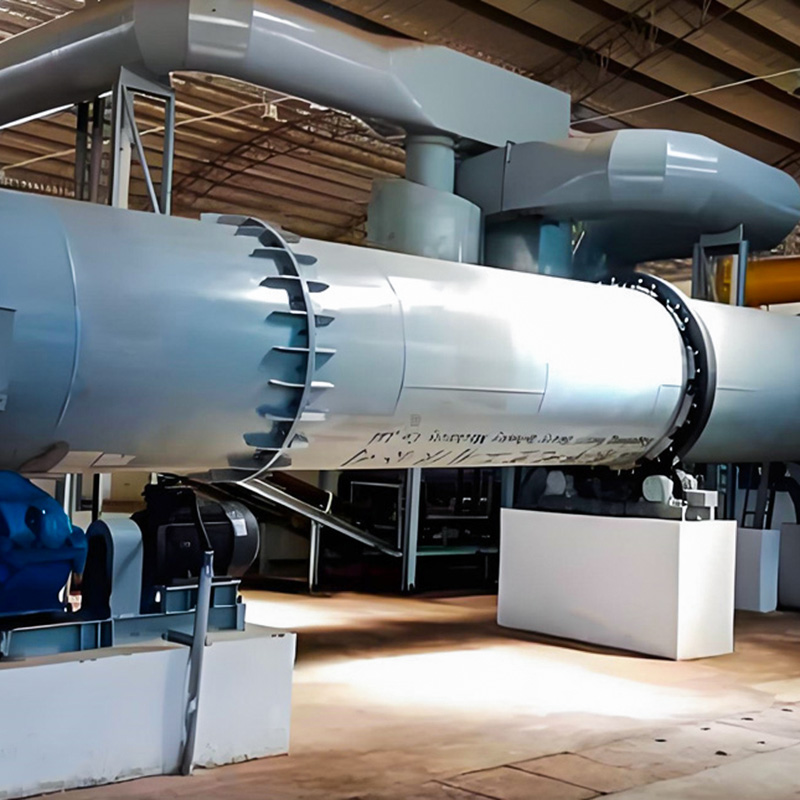
Conveying Equipment for Fertilizer/Powder Production line Industry knowledge
Conveying equipment is an essential category in industrial production, responsible for the continuous and efficient transport of bulk materials, powders, granules, and other raw materials. Its primary purpose is to ensure smooth material flow, optimize production efficiency, reduce labor costs, and maintain consistent operation across production lines. Conveying equipment is widely used in chemical fertilizer plants, building materials production, food processing, mining, and other industries where material handling is critical.
The core performance of conveying equipment focuses on capacity, transport distance, incline capability, energy efficiency, durability, and adaptability to various material types. Key product highlights include modular design, compatibility with other production machinery, and ease of maintenance. At Nantong Alisen Environmental Protection Technology Co., Ltd., our conveying equipment is designed to seamlessly integrate with complete production lines, including rotary kilns, drum granulators, dryers, coolers, coating machines, crushers, and dust collectors.
Main Types of Conveying Equipment and Principles
-
Belt Conveyors
-
Working Principle: Materials are carried on a continuous belt looped over pulleys. Motion is driven by electric motors, providing horizontal or slightly inclined transport.
-
Applications: Transporting bulk powders, granules, fertilizers, ores, and building materials over medium to long distances.
-
Comparative Advantages: High capacity and adaptability for long-distance transport; less effective for steep inclines compared with screw or bucket conveyors.
-
Maintenance Guidance: Regularly inspect belt alignment, pulleys, and rollers; remove accumulated materials; check motor and drive system for wear; adjust tension to prevent slippage.
-
Case Example: In BB fertilizer production lines, belt conveyors transport mixed raw materials from storage hoppers to granulators, maintaining continuous production flow.
-
-
Screw Conveyors
-
Working Principle: Helical screws rotate within a trough or tube, moving materials forward through rotational motion.
-
Applications: Short- to medium-distance transport of powders, granules, and semi-solid materials, including fertilizers, grains, and chemical raw materials.
-
Comparative Advantages: Enclosed design prevents dust emission; capable of inclined transport; lower energy consumption than pneumatic systems for short distances.
-
Maintenance Guidance: Monitor screw flights for wear; inspect bearings and drive components; maintain lubrication; avoid overloading and material compaction.
-
Case Example: Screw conveyors in compound fertilizer plants feed powdered urea and ammonium phosphate into rotary drum granulators with precise, controlled flow.
-
-
Bucket Elevators
-
Working Principle: Buckets attached to belts or chains lift materials vertically, dumping them at the top into storage bins or processing equipment.
-
Applications: Vertical transport of granular fertilizers, grains, ores, and pellets.
-
Comparative Advantages: Efficient vertical transport where other conveyors are impractical; suitable for high-capacity lifting.
-
Maintenance Guidance: Inspect bucket integrity, belt/chain tension, pulleys, and sprockets; ensure proper lubrication; replace damaged buckets promptly.
-
Case Example: Used in potassium sulfate processing lines to lift material from ground-level hoppers to granulation or coating stages.
-
-
Chain Conveyors
-
Working Principle: Heavy-duty chains drag or push materials along a fixed path.
-
Applications: Handling heavy, abrasive, or hot materials, such as cement, bricks, or coarse fertilizers.
-
Comparative Advantages: Strong and durable for heavy loads; can operate in harsh environments.
-
Maintenance Guidance: Check chain tension, sprockets, and guide rails; maintain proper lubrication; replace worn chains and inspect welds.
-
Case Example: In building material production, chain conveyors transport crushed stone or sand from crushers to mixing silos.
-
-
Pneumatic Conveyors
-
Working Principle: Materials are transported through pipelines using air pressure or vacuum.
-
Applications: Powdered or fine-grained materials requiring enclosed, dust-free transport, such as powdered fertilizers or chemicals.
-
Comparative Advantages: Flexible routing with long-distance transport; reduces dust and contamination; can handle complex paths.
-
Maintenance Guidance: Inspect air filters, blowers, pipelines, and valves; maintain airflow to prevent clogging; regularly clean pipelines to avoid material build-up.
-
Case Example: In organic fertilizer plants, pneumatic conveyors transfer powdered compost into storage silos without dust emissions.
-
Comparison Table of Conveying Equipment
| Type | Capacity | Incline Capability | Dust Control | Maintenance Complexity | Typical Use |
|---|---|---|---|---|---|
| Belt Conveyor | High | Low | Low | Moderate | Bulk materials, long-distance horizontal |
| Screw Conveyor | Medium | Medium | Medium | Moderate | Powders, inclined transport |
| Bucket Elevator | High | High | Medium | Moderate | Vertical lifting of granules |
| Chain Conveyor | High | Medium | Low | High | Heavy or abrasive materials |
| Pneumatic Conveyor | Medium | High | High | High | Dust-sensitive powders, complex paths |
FAQ (Technical Focus)
-
Q1: How to select the appropriate conveying equipment?
Consider material type, particle size, moisture content, distance, elevation, and production capacity. For example, powders may require screw or pneumatic conveyors, while granules can be handled efficiently by belt or bucket elevators. -
Q2: Can different conveying systems be combined?
Yes. Complex production lines often integrate multiple conveyors for optimized flow, e.g., screw conveyors feeding into belt or bucket elevators. -
Q3: What common operational issues occur?
Material spillage, belt slippage, screw wear, bucket deformation, chain stretching, or pipeline blockages are typical problems. Preventive maintenance and real-time monitoring reduce downtime. -
Q4: How to extend equipment lifespan?
Regular inspection, proper lubrication, timely replacement of worn components, and operating within recommended capacity and speed parameters are critical.
Integration with Nantong Alisen Environmental Protection Technology Co., Ltd.
Nantong Alisen Environmental Protection Technology Co., Ltd., established in 2007, designs and manufactures conveying equipment compatible with rotary kilns, drum granulators, dryers, coolers, coating machines, and dust collectors. Our products are applied in compound fertilizer, organic fertilizer, BB fertilizer, and potassium sulfate production lines. Technical support includes installation guidance, operation optimization, maintenance strategies, and spare parts supply, ensuring clients achieve stable, high-efficiency production.

GET IN
TOUCH WITH US
TOUCH WITH US
-
 No.68, Shuanglou Road, Qutang Town, Haian City, Nantong, Jiangsu
 -
Tel:
 +86-13914355558/18994158908
 -
E-mail:
 tp@tp-machinery.com
