
 En
En
 English
  Français
  русский
  中文简体
中文简体  عربى
عربى  Español
Tengpeng
Tengpeng
Tengpeng
Tengpeng
Tengpeng
Tengpeng
Tengpeng
Tengpeng
Tengpeng
Tengpeng
Tengpeng
Tengpeng
Dust Collection Equipment
- Compound Fertilizer Production Line
- Grinding Equipment
- Material Feeding Equipment
- Dust Collection Equipment
- Drying Equipment
- Conveying Equipment
- Elevating Equipment
- Crushing Equipment
- Screening Equipment
- Industrial Mixing and Agitation Equipment
- Granulation Equipment
- Calcination Equipment
- Cooling Equipment
- Bulk and Packaging Equipment
Dust Collection Equipment Supplier
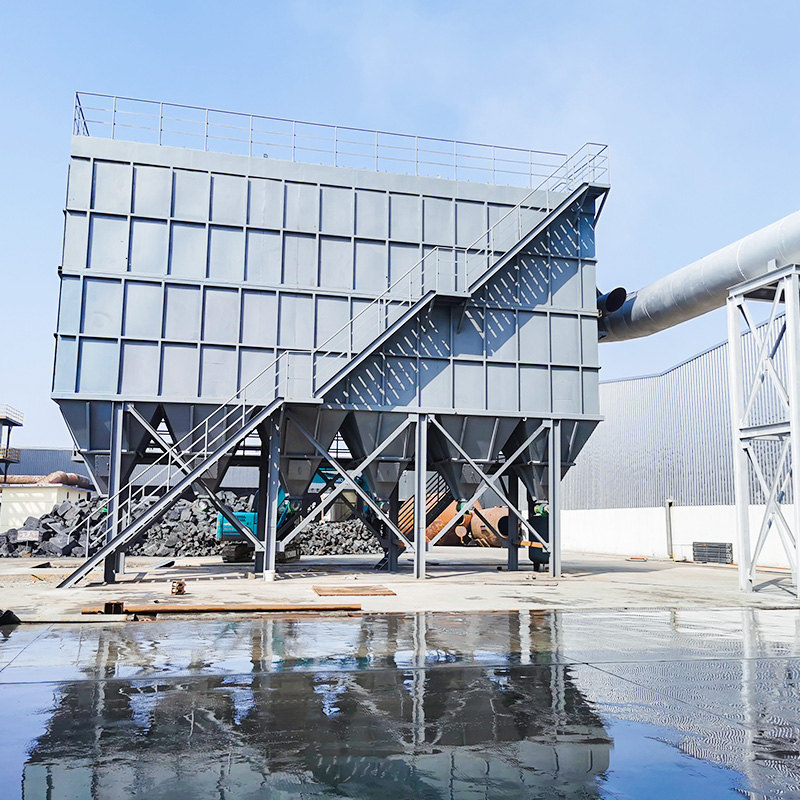
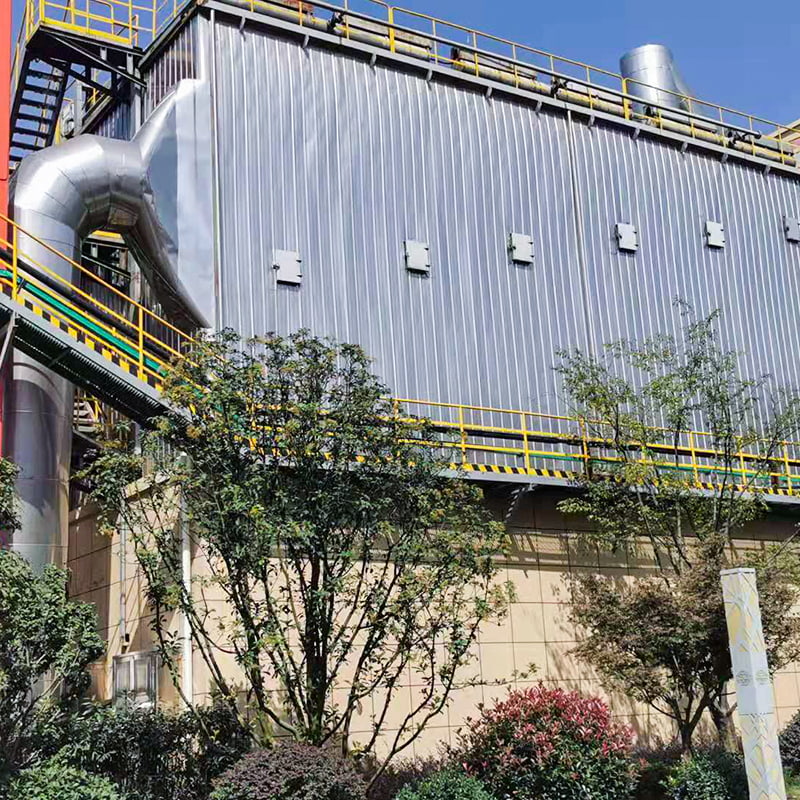
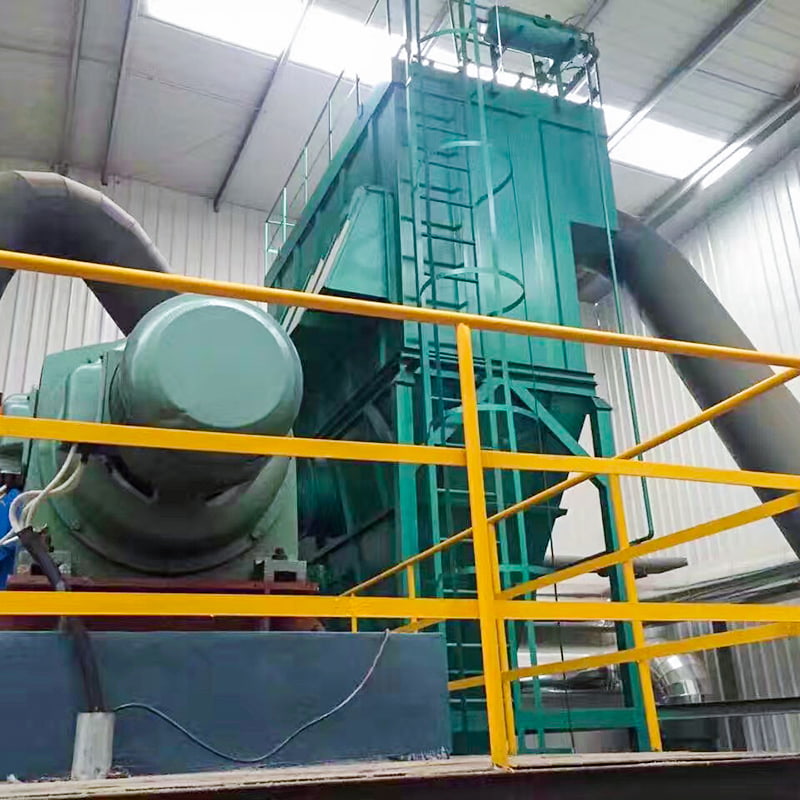
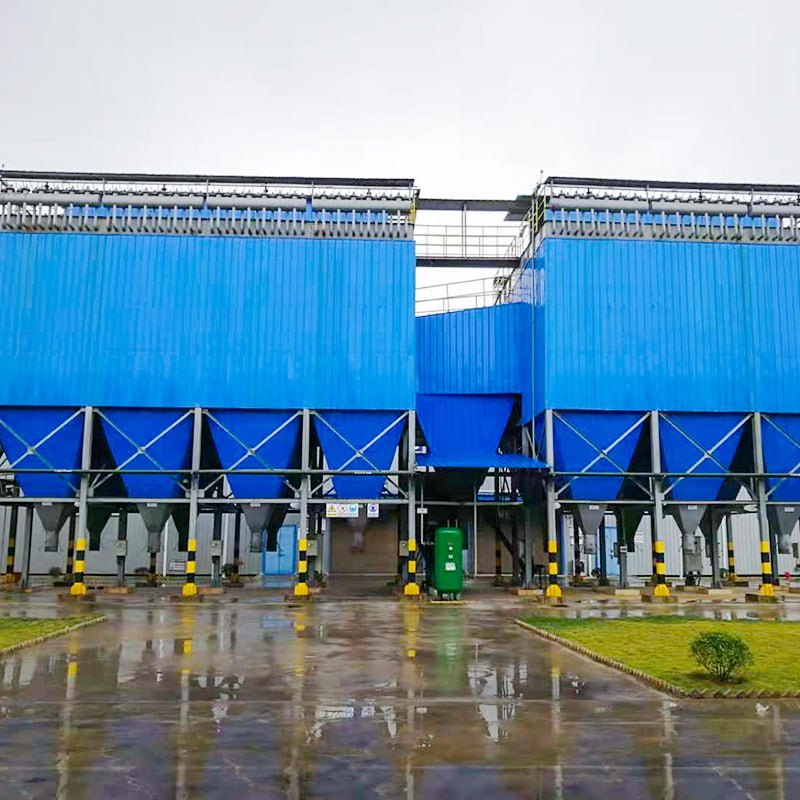

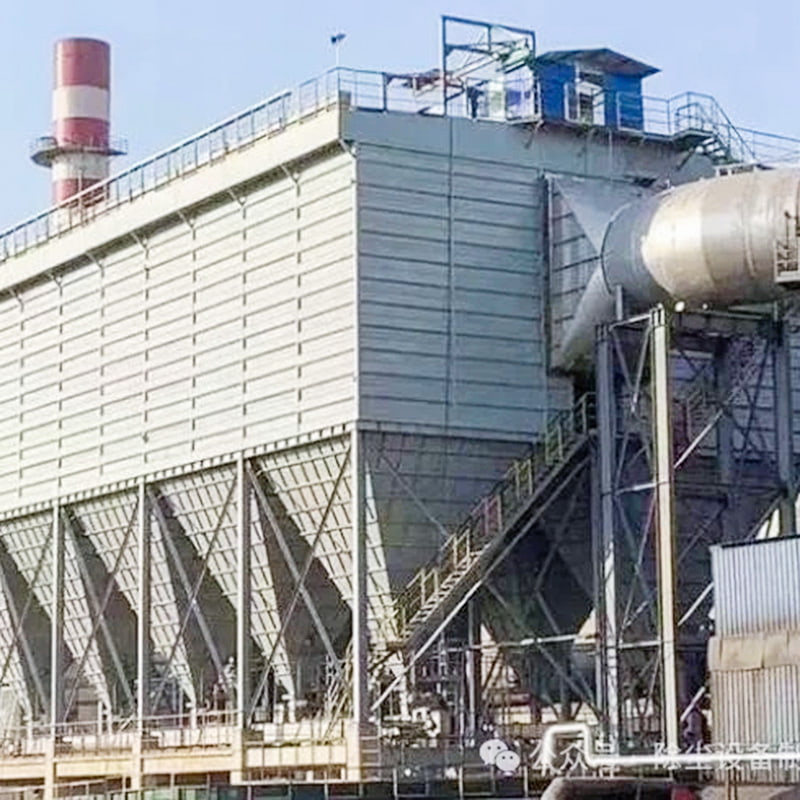
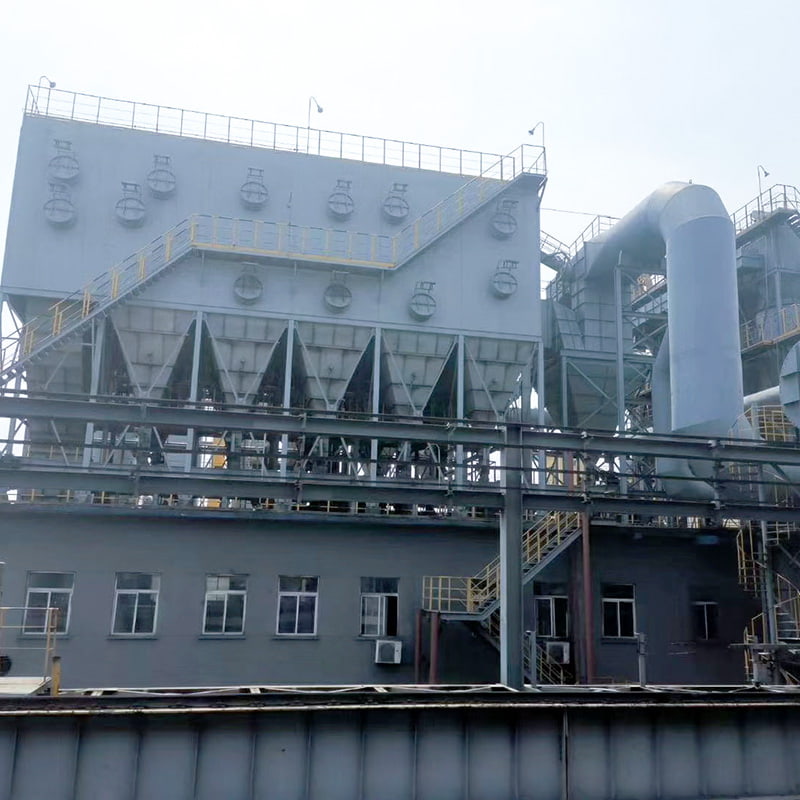
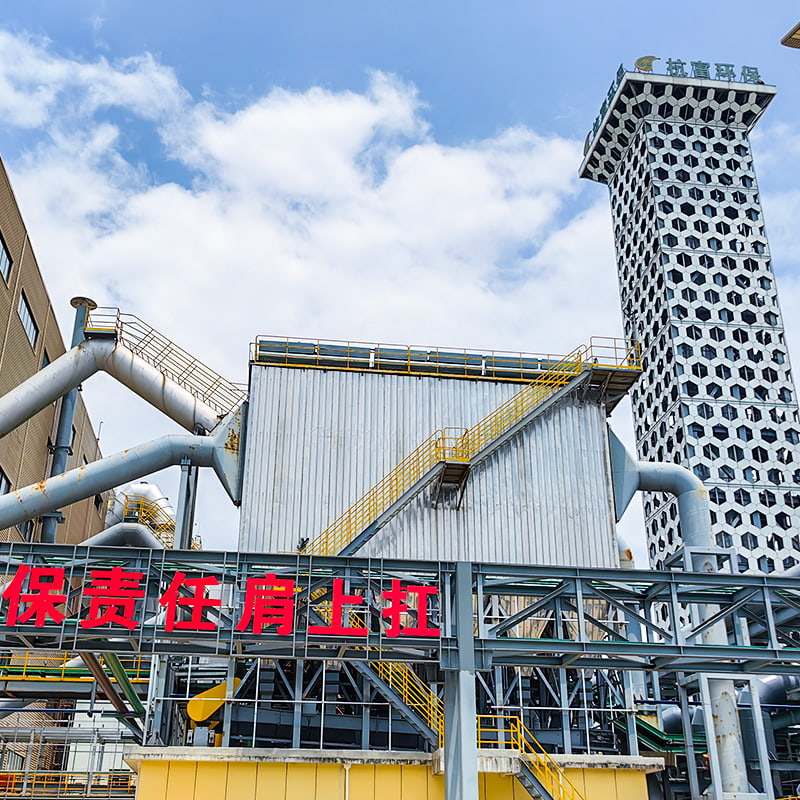
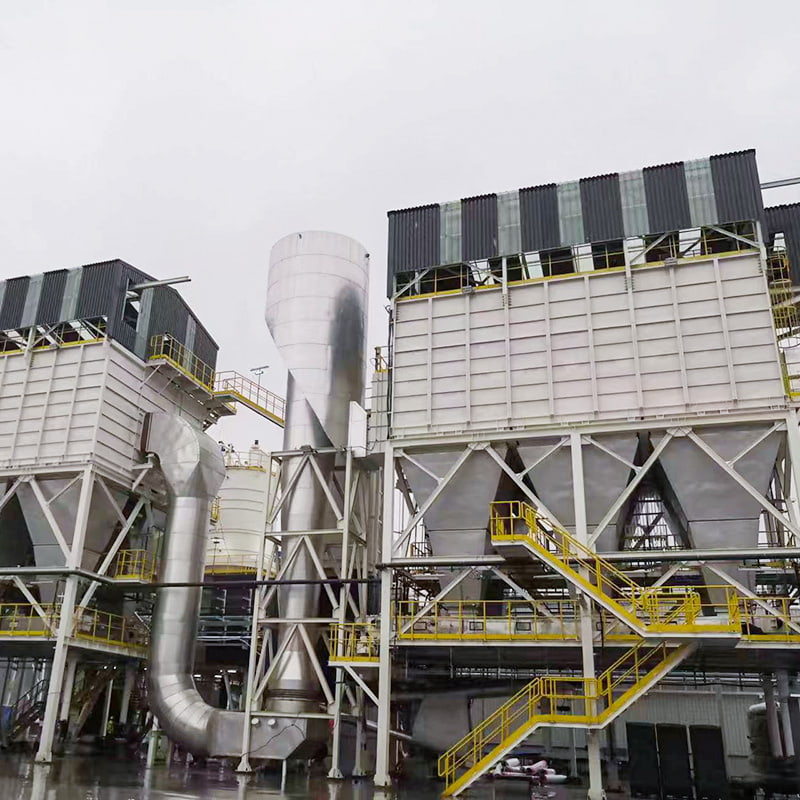
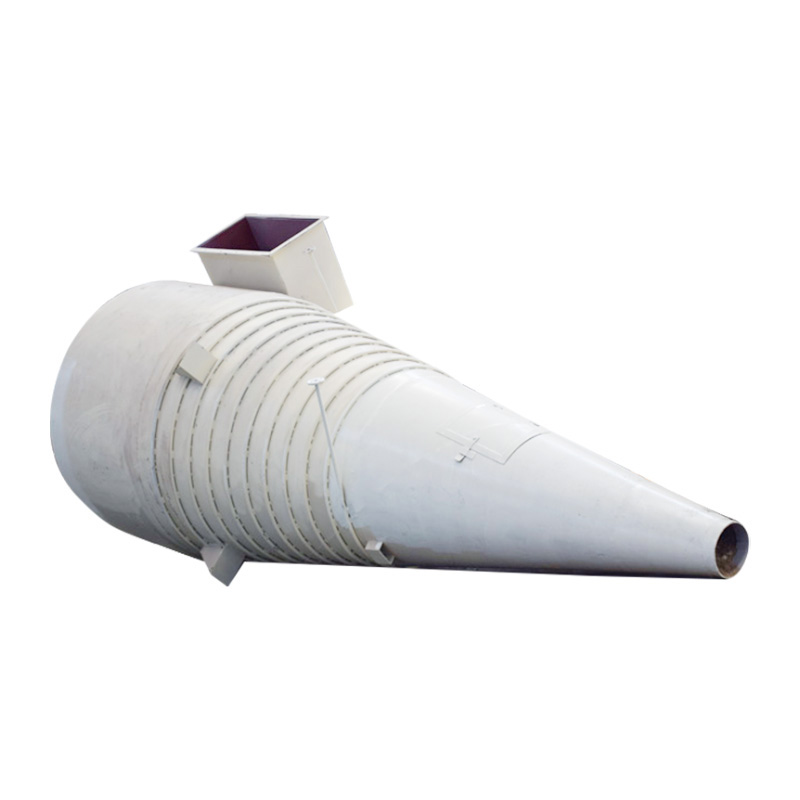
Dust collection equipment is a key device used in industrial production and environmental management to capture, separate, and collect dust particles. It utilizes various technologies, including filtration, centrifugal separation, and electrostatic adsorption, to effectively treat pollutants such as smoke and dust generated during production. Based on their operating principles and application scenarios, common dust collection equipment can be categorized as bag filters, electrostatic precipitators, cyclone dust collectors, and wet dust collectors. Bag filters, with their efficient bag filtration capabilities, are widely used in industries with high dust concentrations, such as metallurgy, cement, and chemicals. Electrostatic precipitators utilize an electrostatic field to absorb dust and are suitable for treating flue gas in high-temperature and high-humidity environments. Cyclone dust collectors rely on centrifugal force to separate dust and are often used for primary purification of larger dust particles. Wet dust collectors capture dust with a water mist and are particularly effective in flammable and explosive environments.
The core purpose of dust collection equipment is to control dust pollution, protect the health of operators, and reduce wear and tear on production equipment, thereby extending its service life. From an environmental perspective, it can effectively reduce dust emissions, helping companies meet national and local environmental emission standards and avoid fines and production halts caused by excessive emissions. Furthermore, some dust collection equipment can recycle and reuse dust. For example, in industries like grain processing and mineral processing, collected dust can be re-entered into production processes, improving resource utilization. Whether in large industrial plants or small processing workshops, choosing the right dust collection equipment is crucial for achieving clean production and green development.
About Us
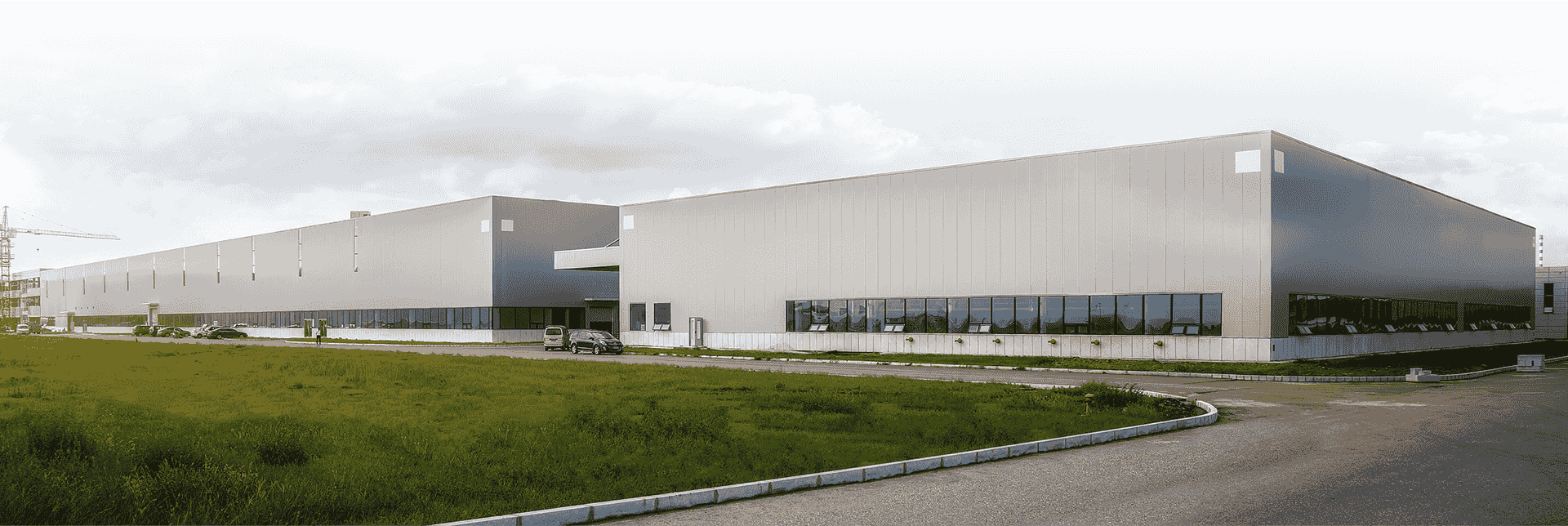
Nantong Alisen Environmental Protection Technology Co., Ltd.
Nantong Alisen Environmental Protection Technology Co., Ltd. is a China Dust Collection Equipment Supplier for Fertilizer/Powder Production Equipment and Wholesale Dust Collection Equipment Company. Founded in 2007, Nantong Alisen Environmental Protection Technology Co., Ltd. is located in Qutang Town Industrial Park, Haian City, Jiangsu Province. It has two wholly-owned subsidiaries, namely Nantong Tengpeng Import and Export Co., Ltd. and Nantong Ailisen Environmental Protection Technology Co., Ltd. As a technology-oriented company focusing on fertilizer machinery and building materials machinery, we have been committed to the design and manufacturing of various types of fertilizer machinery and building materials machinery for many years.
The company boasts strong design and development capabilities, with its products covering a wide range and featuring high technological content. Many of its products lead the industry both domestically and internationally.
Its main products include Dust Collection Equipment,rotary kilns, drum granulators, dryers, coolers, coating machines, crushers, conveyors, dust collectors and other equipment, which are widely used in major chemical fertilizer manufacturers. These products are applied in complete production lines for compound fertilizers, organic fertilizers, bulk blending fertilizers (BB fertilizers), potassium sulfate, etc.
With experienced technicians and mature process design concepts, the company can provide users with a full set of services, including process design for compound (mixed) fertilizer complete sets, equipment production, formula customization, equipment installation and on-site training. While supplying users with a full set of equipment, the company also provides technical upgrading and transformation services in terms of new production capacity and environmental protection for old fertilizer production enterprises.
Adhering to the business philosophy of "Customer First, Quality-Oriented, Reputation as Solid as a Tripod, and Service Supreme", the company strives to meet the personalized needs of customers and provide high-quality services. It takes customer satisfaction as the criterion for measuring the enterprise, thus winning the trust and support of a large number of customers. At the same time, we warmly welcome experts and colleagues at home and abroad to visit for guidance, discuss cooperation and create a better future together.
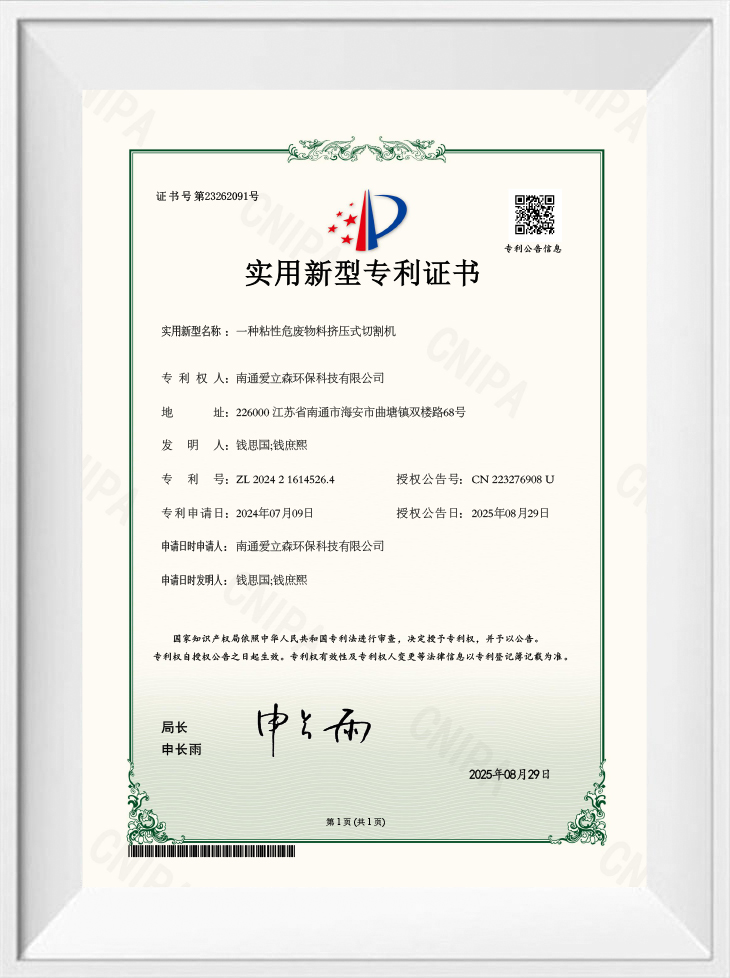
Certificate of Honor
News
-
Grinding ball mills are cylindrical rotating machines that use steel or ceramic balls as grinding media to crush and grind materials into fine powders through impact and attrition mechanisms. These essential industrial machines serve as the backbone of size reduction processes across mining, cement ...
READ MORE -
Operating a high-efficiency organic fertilizer production line involves a complex balance of biological processes and mechanical precision. The most common challenges include managing moisture content, ensuring complete fermentation, preventing equipment corrosion, and maintaining consistent granule...
READ MORE -
body {font-family: Arial, sans-serif; line-height: 1.6; font-size: 16px; margin: 20px;} h2 {margin-top: 30px; font-size: 22px;} h3 {margin-top: 25px; font-size: 20px;} p {margin-bottom: 15px;} ul {margin-bottom: 15px; padding-left: 20px;} table {width: 100%; border-collapse: collapse; margin-bottom...
READ MORE
Our Main Products
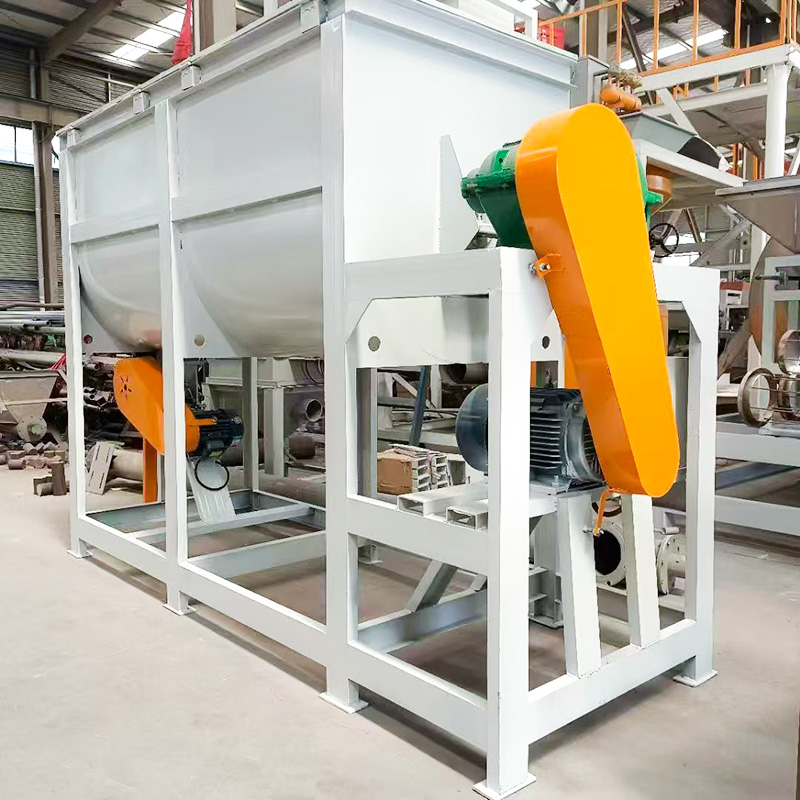
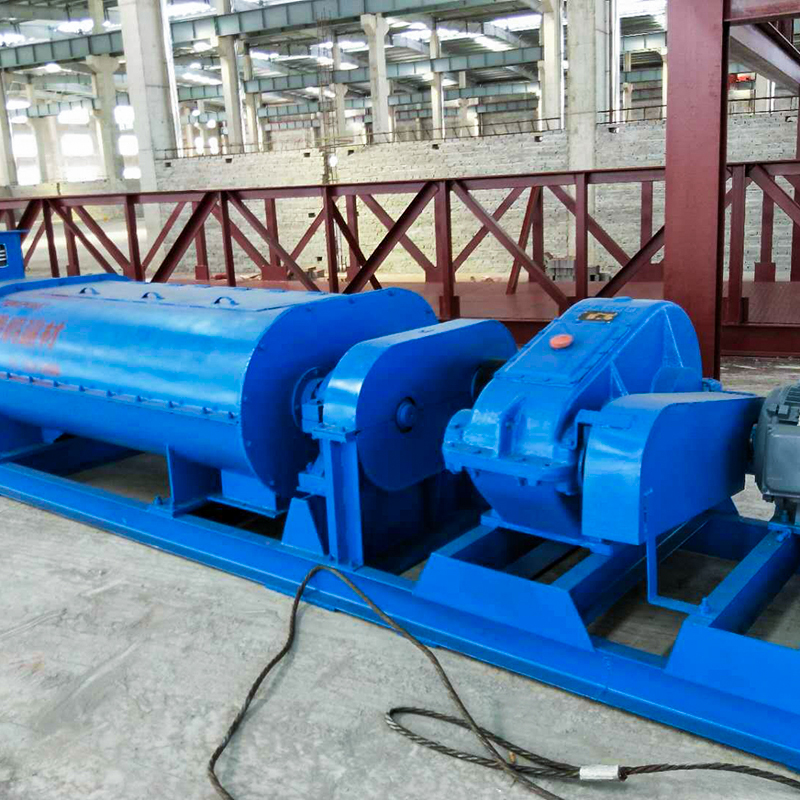
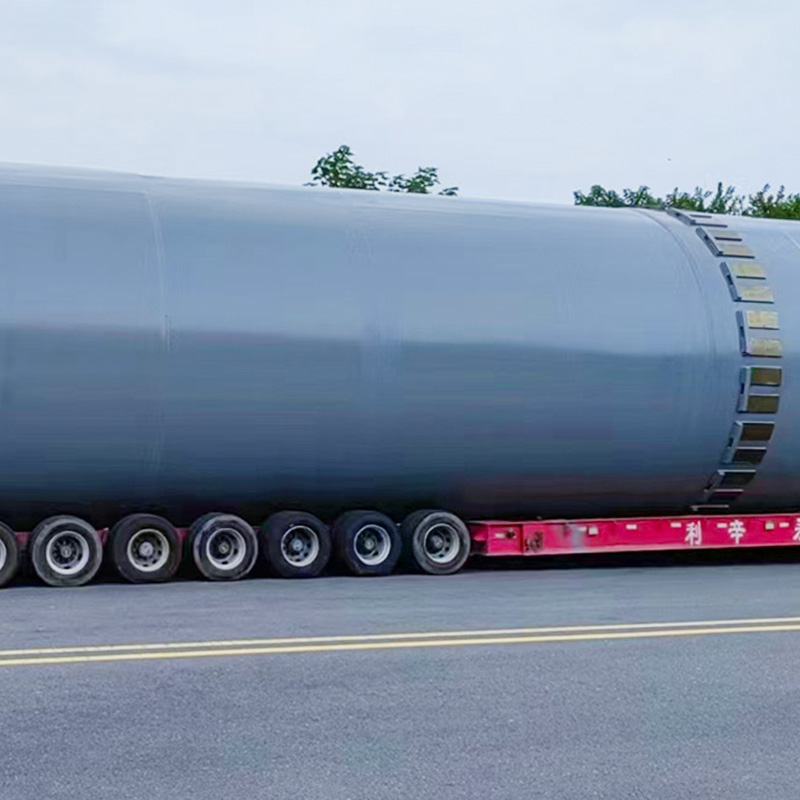
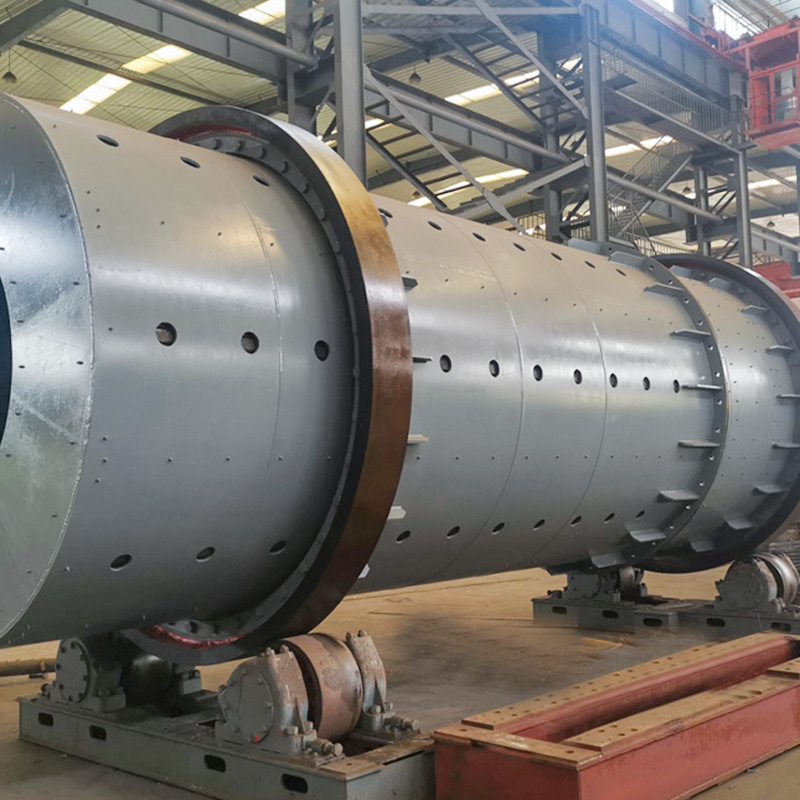
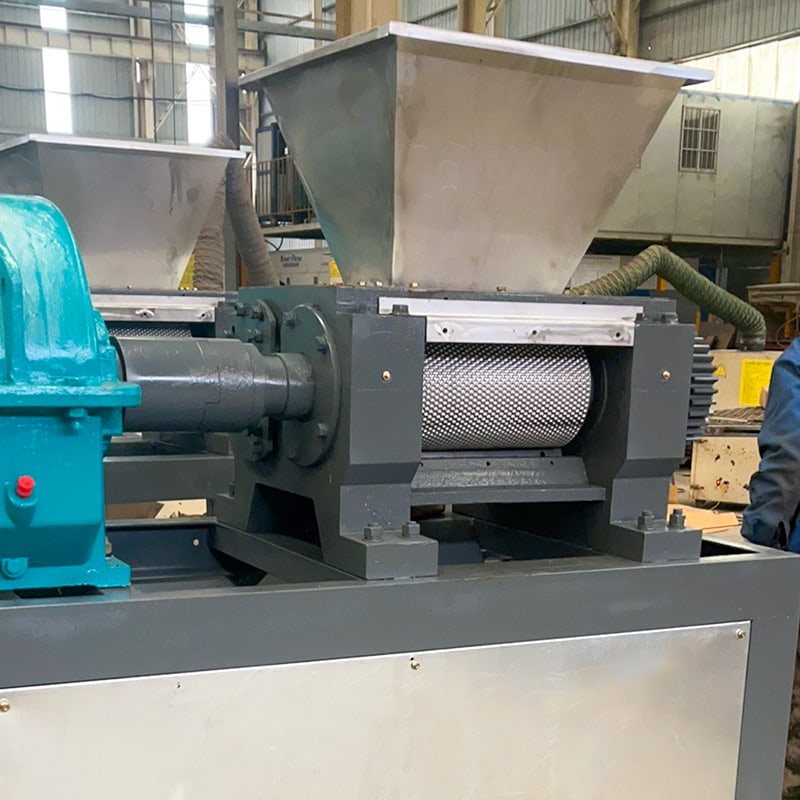
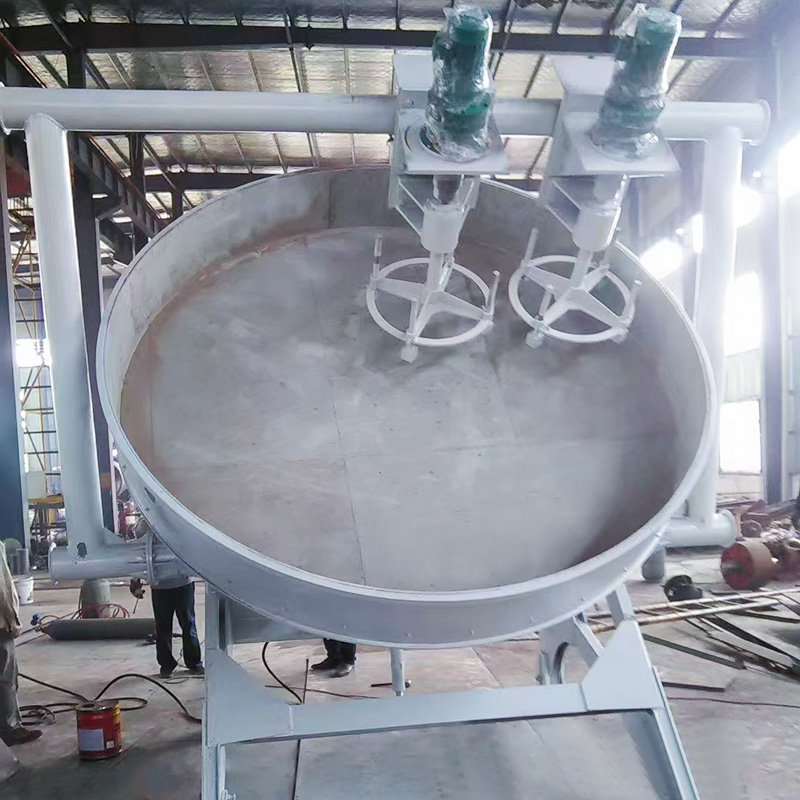
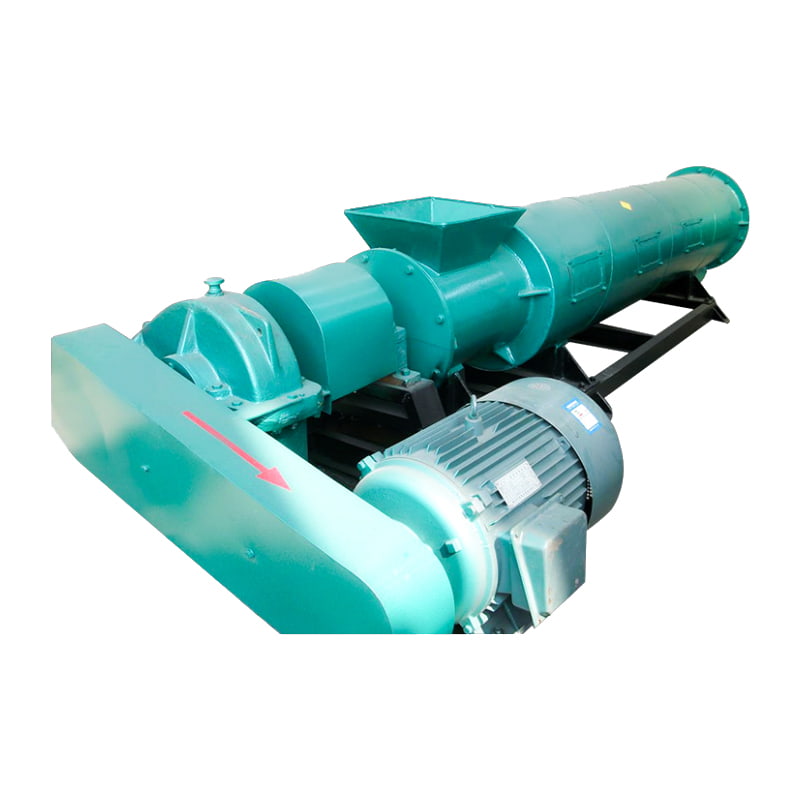
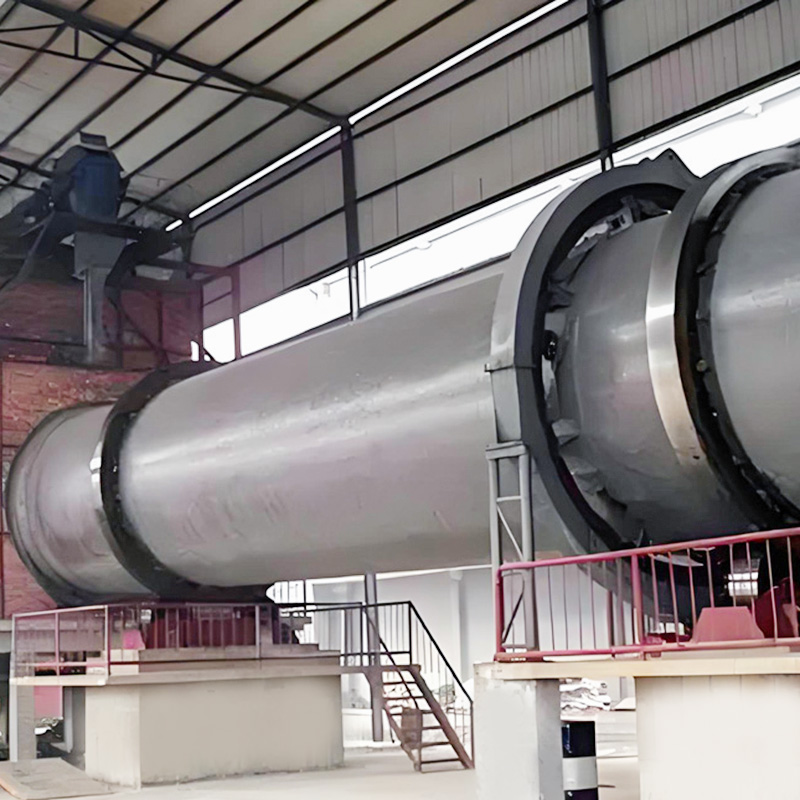
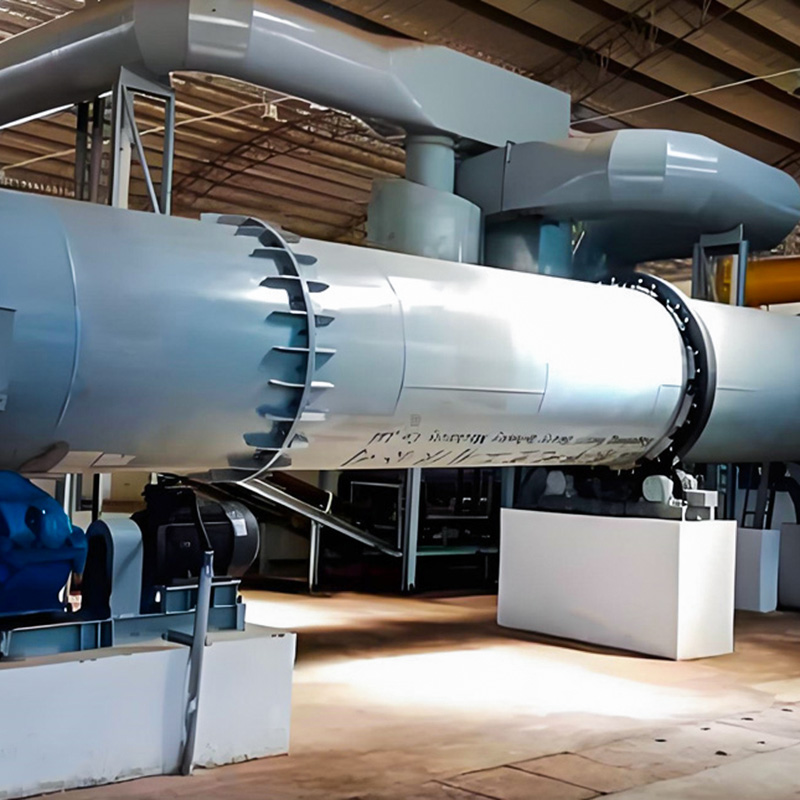
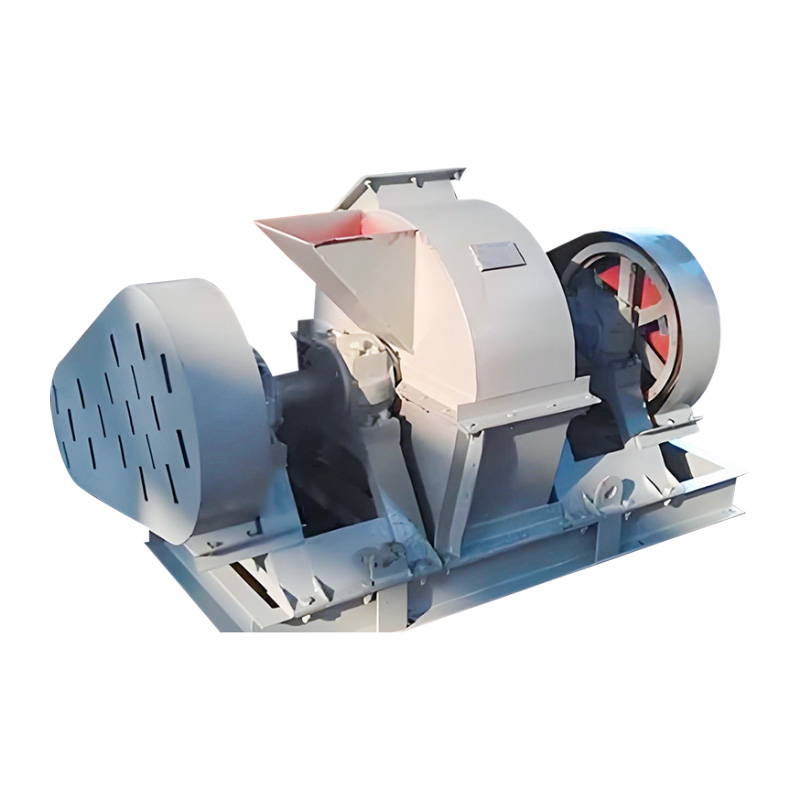
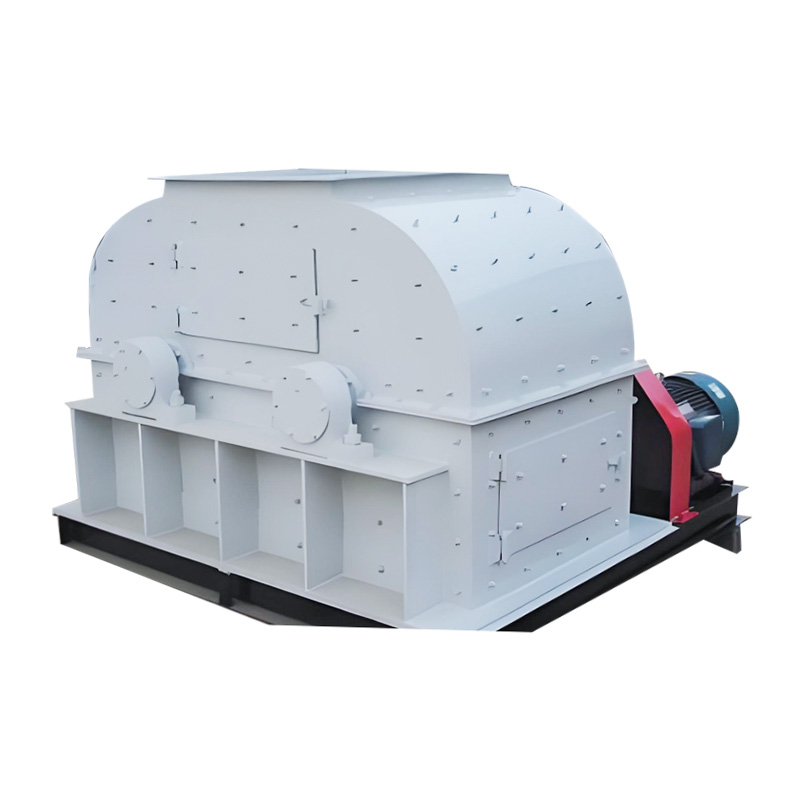
Dust Collection Equipment for Fertilizer/Powder Production line Industry knowledge
Dust Collection Equipment is a crucial component in modern industrial operations, designed to capture, filter, and control airborne dust and particulate matter. Industrial processes such as chemical fertilizer production, cement manufacturing, metallurgy, woodworking, and food processing generate large volumes of dust, which can impact product quality, workplace safety, and environmental compliance. Dust collection equipment ensures that dust is effectively removed, collected, and safely discharged, supporting both operational efficiency and regulatory compliance.
Founded in 2007, Nantong Alisen Environmental Protection Technology Co., Ltd., based in Qutang Town Industrial Park, Haian City, Jiangsu Province, leverages extensive experience in machinery manufacturing to provide efficient and reliable dust collection solutions. With a focus on fertilizer and building materials machinery, the company’s dust collection equipment is integrated into complete production lines and standalone industrial applications.
1. Core Features of Dust Collection Equipment
Dust collection systems share several common features that define their performance and suitability for different applications:
-
High-Efficiency Filtration: Advanced filters capture fine and coarse dust particles, ensuring cleaner air and minimal material loss.
-
Stable Airflow: Systems maintain consistent suction to prevent dust accumulation and equipment clogging.
-
Adjustable Suction Power: Flexibility in airflow allows adaptation to various dust concentrations and particle sizes.
-
Reliable Dust Discharge: Automated or semi-automated mechanisms safely remove collected dust using rotary valves, screw conveyors, or hoppers.
-
Durability and Longevity: Equipment is designed for continuous industrial operations, reducing maintenance frequency and improving service life.
Typical products in this category include:
-
Baghouse Collectors: Use fabric filter bags to trap dust; suitable for high-volume, large-particle applications.
-
Cartridge Collectors: Employ pleated cartridge filters; ideal for fine dust and limited space.
-
Cyclone Separators: Utilize centrifugal force to separate heavy dust; low maintenance and suitable for continuous operations.
-
Mobile Dust Extractors: Flexible, portable solutions for localized dust control.
2. Comparing Different Dust Collection Systems
When selecting dust collection equipment, it is essential to consider the type of dust, operational requirements, and space constraints. Below is a comparison of common dust collector types:
| Feature | Baghouse Collector | Cartridge Collector | Cyclone Separator | Mobile Dust Extractor |
|---|---|---|---|---|
| Dust Particle Size | Large to medium | Fine | Medium to large | Medium |
| Filtration Efficiency | High | Very high | Medium | Variable |
| Space Requirement | Moderate | Low | Low | Very low |
| Maintenance Complexity | Medium | Low | Low | Low |
| Operational Cost | Moderate | Moderate | Low | Low |
| Best Application | Continuous industrial | Fine dust, limited space | Heavy dust, continuous | Localized or temporary |
This comparison helps industrial operators choose the most suitable dust collection system based on production scale, dust type, and operational priorities.
3. Applications in Industry
Dust Collection Equipment has a wide range of applications across different sectors:
-
Chemical Fertilizer Industry: Integrated into rotary kilns, drum granulators, crushers, dryers, and conveyors to control dust from raw materials and finished products.
-
Cement and Building Materials: Captures cement dust during production, minimizing emissions and equipment wear.
-
Metallurgy: Removes metal dust and fine particles generated during grinding, cutting, and material handling.
-
Woodworking and Food Processing: Reduces airborne dust, ensuring product quality and worker safety.
In fertilizer production, for example, Nantong Alisen’s dust collection systems are deployed across compound fertilizer, organic fertilizer, and bulk blending fertilizer lines. These systems ensure compliance with environmental standards while maintaining production efficiency.
4. Operation Principles
Dust collection equipment operates based on several physical principles:
-
Filtration: Dust-laden air passes through filter media, where particles are trapped and cleaned air is released.
-
Centrifugal Separation: In cyclone separators, the air rotates at high speed; centrifugal force pushes dust to the outer wall, allowing clean air to exit.
-
Electrostatic Precipitation: In specialized systems, charged particles are attracted to collection plates, removing fine dust from the airflow.
-
Airflow Control: Proper system design ensures uniform air velocity, preventing filter clogging and maintaining efficiency.
These principles allow systems to handle varying dust loads, particle sizes, and operational conditions.
5. Maintenance and Best Practices
Maintaining dust collection equipment is critical to performance and longevity:
-
Filter Inspection and Replacement: Regularly inspect filters; replacement typically occurs every 6–12 months depending on dust type.
-
Cleaning Mechanisms: Systems may include pulse-jet cleaning, shaker systems, or reverse air to remove accumulated dust from filters.
-
System Monitoring: Pressure gauges, flow meters, and alarms can indicate when maintenance is required.
-
Dust Disposal: Ensure collected dust is safely removed and handled to prevent environmental contamination.
Proper maintenance reduces downtime, prevents efficiency loss, and ensures compliance with environmental regulations.
6. Frequently Asked Questions (FAQ)
-
How do I choose the right dust collector? Consider dust type, particle size, airflow requirements, space, and operational frequency. Consulting manufacturers like Nantong Alisen helps ensure proper selection.
-
Can dust collectors integrate with existing equipment? Yes, modern systems can connect to rotary kilns, drum granulators, crushers, conveyors, and other machinery.
-
What are the energy requirements? Power consumption varies by system type and airflow; energy-efficient models minimize electricity usage while maintaining performance.
-
How is collected dust discharged? Dust is typically conveyed to hoppers or collection bins using rotary valves or screw conveyors. Automation improves safety and reduces labor.
7. Advantages of Professional Dust Collection Equipment
Using properly designed dust collection equipment provides multiple benefits:
-
Reduces airborne dust, improving workplace safety and hygiene.
-
Minimizes environmental emissions, supporting regulatory compliance.
-
Extends equipment lifespan by preventing dust accumulation.
-
Enhances product quality by reducing contamination.
-
Lowers maintenance and operational costs through efficient system design.
Nantong Alisen Environmental Protection Technology Co., Ltd. combines industrial experience with engineering expertise to deliver dust collection solutions that meet diverse industrial needs. Their equipment supports both large-scale production lines and smaller, localized applications, ensuring consistent performance and operational reliability.

GET IN
TOUCH WITH US
TOUCH WITH US
-
 No.68, Shuanglou Road, Qutang Town, Haian City, Nantong, Jiangsu
 -
Tel:
 +86-13914355558/18994158908
 -
E-mail:
 tp@tp-machinery.com
